Mozambique Starts Refining Its Own Graphite for Batteries
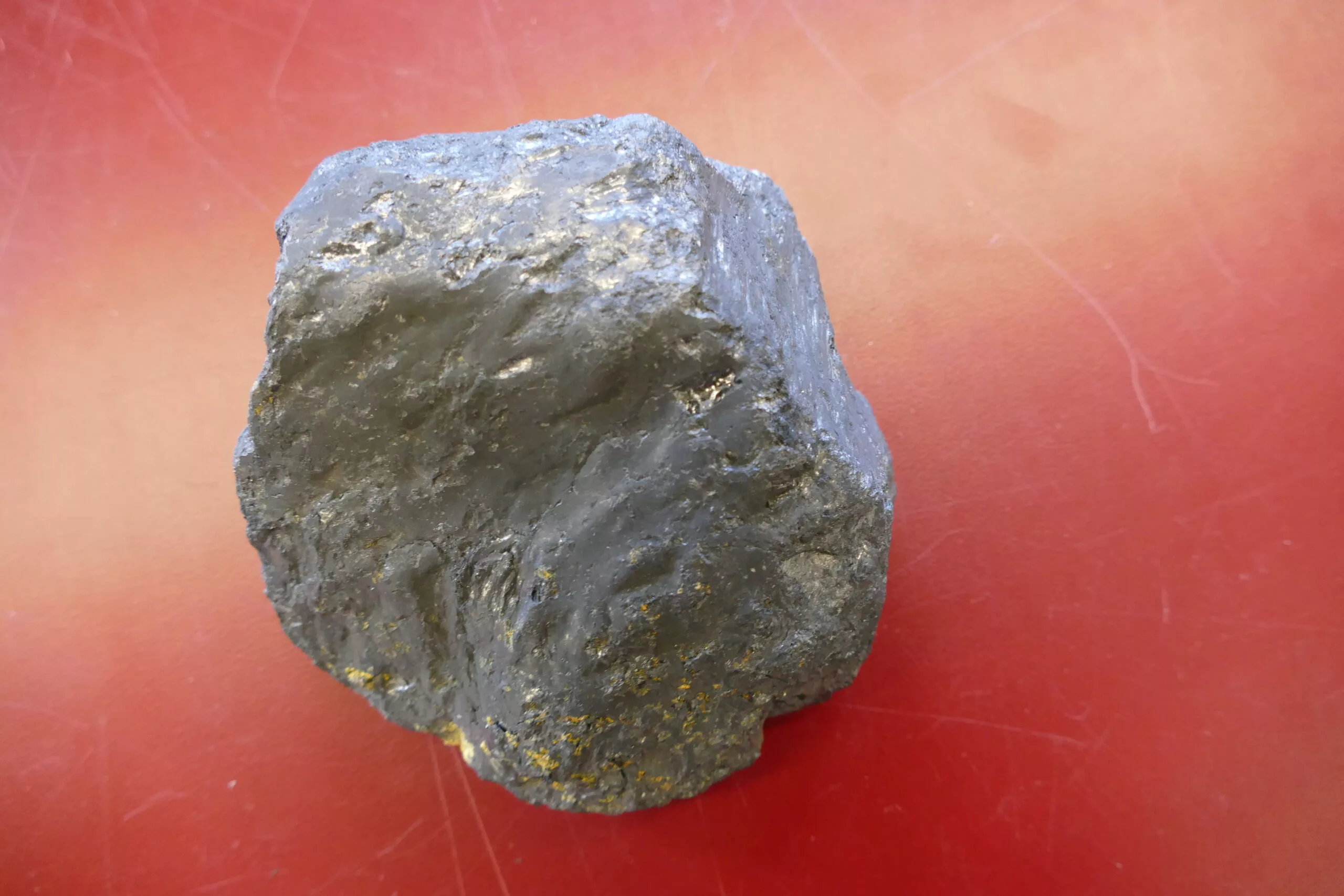
MOZAMBIQUE · MARKETS
Key Facts
The shift: Mozambique graphite is now being processed at home, not just dug up and shipped out raw.
The plant: A new processing facility in Niassa province can handle about 200,000 tonnes of graphite a year.
The builder: The plant is Chinese-owned, with an investment of about 150 million dollars.
The surge: Mozambique’s graphite output in the first quarter of 2026 already doubled what had been forecast for the whole year.
The use: Graphite is a key ingredient in the batteries that power electric cars and phones.
The jobs: The project employs more than 800 local workers, with thousands more expected in a second phase.
Mozambique graphite is moving up the value chain, with a new plant refining the mineral at home rather than exporting it raw. The shift pushes one of Africa’s poorest countries into the heart of the global battery supply chain.
From digging to refining
For years, African countries have mostly exported their minerals as raw rock, leaving the profitable processing to others. Mozambique is trying to change that with graphite.
A new plant in the northern province of Niassa now processes graphite on Mozambican soil. It can handle about 200,000 tonnes a year, turning raw ore into a more refined, higher-value product.
The logic mirrors a debate playing out across the continent. A country that only mines earns once, while one that also refines earns again.
It is a lesson Africa has learned the hard way. For a century, the continent shipped out raw materials and bought back the finished goods.
Why graphite matters
Graphite is not as famous as cobalt or lithium, but it is just as central to the energy transition. It is the main material in the negative electrode, or anode, of most rechargeable batteries.
That makes it a strategic mineral. Every electric car and smartphone needs it, and demand is climbing as the world electrifies.
Supply, meanwhile, is concentrated. That combination is exactly what draws investment to new sources like Mozambique.
Mozambique sits on some of the richest graphite deposits anywhere. Refining more of that at home turns a geological gift into an industrial one.
Western governments are also paying attention. They want battery materials sourced outside China, and African graphite is one of the few alternatives at scale.
The output surge
The numbers are already striking. Mozambique’s graphite output in the first quarter of 2026 came to about 28,000 tonnes, double the amount that had been forecast for the entire year.
The new Niassa plant is a big reason why. It has added fresh capacity at a moment when global buyers are hunting for supply outside the usual sources.
Such a fast ramp-up is unusual. It hints at how quickly demand for battery minerals is reshaping where they are made.
There is a human dividend too. The project employs more than 800 local workers, a figure expected to swell past 2,000 as a second phase advances.
In a region with few formal jobs, that matters. A single large plant can anchor an entire local economy.
The China factor
The plant is Chinese-owned, built with an investment of around 150 million dollars. That is no coincidence.
China dominates the world’s graphite processing, controlling the technology and much of the demand. A Chinese-built plant in Mozambique extends that grip while bringing real investment and jobs.
It is the bargain at the centre of the new scramble for Africa’s minerals. Outside money and know-how arrive, and the host country must judge how much value it truly keeps.
A country with more than graphite
Graphite is only part of Mozambique’s mineral story. The country also holds one of the world’s largest natural-gas projects off its northern coast, along with rubies and coal.
Turning that wealth into broad prosperity has proved hard. Mozambique has wrestled with a debt crisis and an insurgency in the gas-rich north of the country.
Against that backdrop, the government has made value addition a theme. President Daniel Chapo has framed processing minerals at home as a way to capture more of their worth.
The graphite plant is an early test of that promise. It shows what local processing can look like, and how much depends on the terms.
Why it matters
For Mozambique, the prize is a bigger slice of a booming industry. Processing at home means more jobs, more tax and more skills than simply shipping out rock.
For the wider world, it is a small loosening of China’s grip on battery materials. Buyers in Europe and the United States are eager for supply that does not run solely through Chinese hands.
The question is who ultimately benefits. Mozambique’s challenge is to make sure the value it adds stays, at least in part, at home.
The plant is a start, not a finish. What matters next is whether more processing, and more bargaining power, follow.
Frequently Asked Questions
What has changed with Mozambique graphite?
Mozambique graphite is now being processed at home at a new 200,000-tonne-a-year plant in Niassa province, rather than only exported as raw ore.
Why is graphite important?
Graphite is the main material in the anode of most rechargeable batteries, making it essential for electric vehicles and electronics.
Who built the plant?
The plant is Chinese-owned, built with an investment of about 150 million dollars, reflecting China’s dominance of graphite processing.
How much graphite is Mozambique producing?
Output in the first quarter of 2026 reached about 28,000 tonnes, double the amount that had been forecast for the whole year.
Connected Coverage
Keeping mineral value at home is the thread of Africa: The New Scramble. See the national version of the same idea in our report on Ghana’s push to bank its own gold, and how South Africa shapes another critical metal in our look at platinum supply.
This article was produced by The Rio Times’ automated newsroom system. How we use AI · Report an error · Editorial responsibility: Matthias Camenzind, Editor-in-Chief
LatAm Markets: Live Signals → — real-time movers, turnover leaders and FX across Latin America.
Critical Minerals in Africa
- DR Congo Explained 2026: The M23 War, the Cobalt Economy, the Politics and What to Watch
- Zambia Explained: The Country, Its Copper Economy, Its Politics and What to Watch
- The Lobito Corridor: A New Railway for African Copper
- Africa: The New Scramble