IBOV 187,206.89 ▼ 0.56% IPSA 11,220.60 ▼ 0.16% IPC MEX 63,924.77 ▼ 0.28% MERVAL 3,098,898 ▼ 1.87% COLCAP 2,589.69 ▼ 1.41% BVL PERÚ 59,373.28 ▼ 0.32% USD/BRL5.13▲ 0.40% USD/MXN16.96▼ 0.14% USD/CLP941.13— 0.00% USD/COP3,077▼ 1.03% USD/PEN3.35▲ 0.03% USD/ARS1,509▼ 0.28% USD/UYU40.26▲ 3.12% USD/PYG5,903▲ 3.23% USD/BOB11.98▼ 2.70% USD/DOP58.96▲ 0.79% USD/CRC447.55▲ 1.57% USD/GTQ7.63▲ 2.98% USD/HNL26.85▲ 0.57% USD/NIO36.62▲ 2.58% USD/VES830.41▼ 0.13% USD/PAB1.00— 0.00% USD/BZD2.00— 0.00% USD/JMD 157.28 — 0.00% USD/TTD6.74▲ 2.35% EUR/BRL5.95▲ 0.25% BRENT 88.88 ▼ 0.03% WTI 83.11 ▼ 0.11% IRON ORE 161.91 — — COPPER 6.61 ▲ 0.03% GOLD 4,461 ▲ 1.78% SILVER 65.59 ▲ 1.26% SOY 1,184 ▲ 3.20% CORN 480.50 ▲ 10.02% WHEAT 655.00 ▲ 3.93% COFFEE 317.25 ▼ 5.51% SUGAR 16.43 ▼ 1.79% ORANGE JUICE 138.55 ▼ 0.47% COTTON 85.03 ▲ 2.33% COCOA 5,719 ▲ 3.18% BEEF 223.60 ▼ 3.93% CATTLE 339.10 ▼ 3.16% LITHIUM 75.20 ▲ 1.47% PETR4 41.64 ▼ 0.05% VALE3 72.97 ▲ 0.83% ITUB4 38.60 ▼ 1.03% BBDC4 16.85 ▲ 0.36% ABEV3 14.89 ▼ 0.80% BBAS3 19.37 ▲ 0.47% B3SA3 14.26 ▼ 0.21% WEGE3 47.59 ▲ 0.49% PRIO3 59.14 ▼ 0.19% SUZB3 41.33 ▲ 2.35% RENT3 34.68 ▼ 0.09% AZZA3 15.89 ▼ 2.63% CSAN3 3.22 ▼ 1.83% RAIZ4 0.25 — 0.00% PCAR3 2.75 ▼ 0.36% GMAT3 3.65 ▼ 1.08% PSSA3 48.13 ▼ 0.54% CVCB3 1.33 ▼ 2.92% POSI3 3.36 ▲ 2.44% SLCE3 13.34 ▲ 0.30% NATU3 8.14 ▼ 0.73% IBOV 187,206.89 ▼ 0.56% IPSA 11,220.60 ▼ 0.16% IPC MEX 63,924.77 ▼ 0.28% MERVAL 3,098,898 ▼ 1.87% COLCAP 2,589.69 ▼ 1.41% BVL PERÚ 59,373.28 ▼ 0.32% USD/BRL 5.16 ▲ 0.01% USD/MXN 17.06 ▼ 0.24% USD/CLP 913.98 ▲ 0.04% USD/COP 3,140 ▲ 0.03% USD/PEN 3.36 ▼ 0.66% USD/ARS 1,493 ▲ 0.10% USD/UYU 40.27 ▲ 1.24% USD/PYG 5,939 ▲ 1.68% USD/BOB 11.64 ▼ 0.76% USD/DOP 58.34 ▲ 1.25% USD/CRC 445.92 ▲ 0.89% USD/GTQ 7.62 ▲ 2.21% USD/HNL 26.79 ▲ 1.57% USD/NIO 36.62 ▲ 0.69% USD/VES 762.44 ▼ 0.13% USD/PAB 1.00 — 0.00% USD/BZD 2.00 — 0.00% USD/JMD 157.28 — 0.00% USD/TTD 6.70 ▲ 0.61% EUR/BRL 5.95 ▲ 1.01% BRENT 88.88 ▼ 0.03% WTI 83.11 ▼ 0.11% IRON ORE 161.91 — — COPPER 6.61 ▲ 0.03% GOLD 4,461 ▲ 1.78% SILVER 65.59 ▲ 1.26% SOY 1,184 ▲ 3.20% CORN 480.50 ▲ 10.02% WHEAT 655.00 ▲ 3.93% COFFEE 317.25 ▼ 5.51% SUGAR 16.43 ▼ 1.79% ORANGE JUICE 138.55 ▼ 0.47% COTTON 85.03 ▲ 2.33% COCOA 5,719 ▲ 3.18% BEEF 223.60 ▼ 3.93% CATTLE 339.10 ▼ 3.16% LITHIUM 75.20 ▲ 1.47% PETR4 41.64 ▼ 0.05% VALE3 72.97 ▲ 0.83% ITUB4 38.60 ▼ 1.03% BBDC4 16.85 ▲ 0.36% ABEV3 14.89 ▼ 0.80% BBAS3 19.37 ▲ 0.47% B3SA3 14.26 ▼ 0.21% WEGE3 47.59 ▲ 0.49% PRIO3 59.14 ▼ 0.19% SUZB3 41.33 ▲ 2.35% RENT3 34.68 ▼ 0.09% AZZA3 15.89 ▼ 2.63% CSAN3 3.22 ▼ 1.83% RAIZ4 0.25 — 0.00% PCAR3 2.75 ▼ 0.36% GMAT3 3.65 ▼ 1.08% PSSA3 48.13 ▼ 0.54% CVCB3 1.33 ▼ 2.92% POSI3 3.36 ▲ 2.44% SLCE3 13.34 ▲ 0.30% NATU3 8.14 ▼ 0.73%
since 2009
Sunday, September 13, 2026

Latin America Uruguay

Uruguay’s Digital Currency Plans Signal a Shift Toward Financial Control

By · September 12, 2025 · 2 min read

The LatAm Brief

One email, every weekday morning. What moved in Latin American markets, politics and expat life.

Yesterday’s subject line: “'The false peace is over' - Colombia”

Free. We send a confirmation link first — nothing arrives until you click it. Unsubscribe with one click in any edition. If you stop opening us for 30 days we stop sending by ourselves, as we assume the interest is no longer there. See our privacy policy. We never share your email.

Uruguay’s Central Bank has tapped veteran economist Adolfo Sarmiento to lead its new digital currency initiative. By assigning a former policy chief to this role, the bank clearly moves from neutral cash management to an era of state-centered financial oversight.

This project revives Uruguay’s 2017–18 e-Peso pilot, which issued 20 million digital pesos—about $670,000—to 10,000 participants via the national telecom. The trial ran smoothly, cost the central bank nothing and let users transact offline.

Officials then destroyed all e-Pesos and quietly studied next steps. Now, with Sarmiento at the helm, regulators intend to relaunch that experiment on a broader scale.

Global momentum for central-bank digital currencies (CBDCs) has surged: 134 countries, representing more than 98 percent of world GDP, explore their own versions.

Sixty-nine have advanced to pilot or development stages. Uruguay aims to reclaim its early-mover advantage in Latin America by shifting from digital-cash experimentation to full-blown issuance.
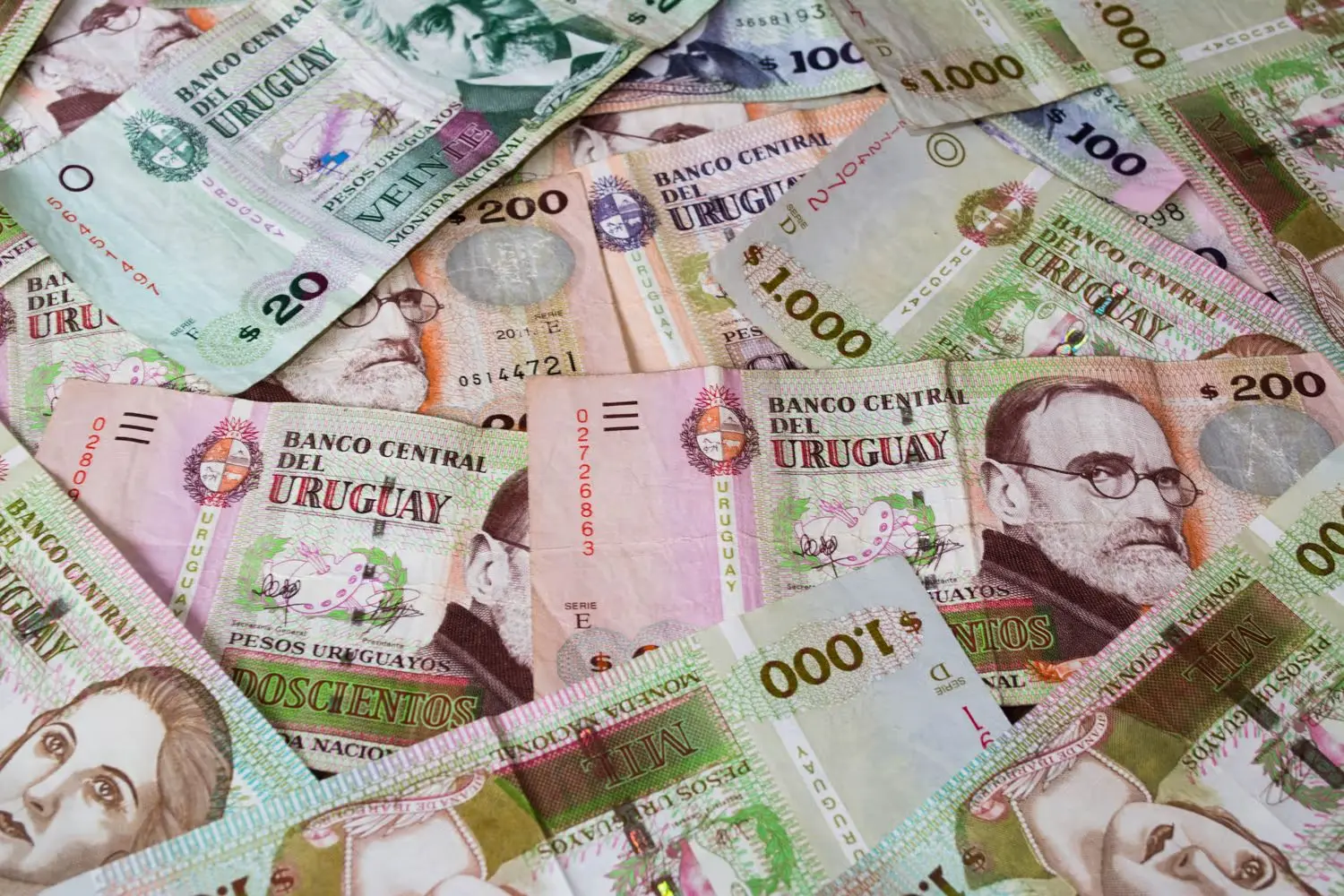
Uruguay’s Digital Currency Plans Signal a Shift Toward Financial Control.
One-stop reference
Company Intelligence
Every listed company in Latin America — financials, ownership and structure for 1,450+ companies across 26 exchanges, in one place.
Browse the directory →
RT
Ask Rio Times
17 years of Latin America reporting, on demand.
Open the full Ask Rio Times →

This move fits a broader left-leaning trend: governments leverage digital money to gain real-time visibility into every payment. Uruguay already boasts nearly universal bank accounts and keeps inflation within its 3 – 6 percent target.

Yet by embedding digital peso code into every transaction, authorities can monitor flows, enforce compliance and potentially restrict or reward behaviors.

Uruguay Tests State-Controlled Digital Currency Model

The bank proposes a two-tier system: it will mint tokens, but private banks and fintechs will manage distribution. Small transactions might remain anonymized, while larger transfers require full identification.

This design aims to limit privacy only where authorities deem it necessary, reinforcing anti-money-laundering rules. Uruguay’s recent fast-payment rollout, Toke, shows how quickly regulators can adopt surveillance-ready tools.

By integrating QR-code transfers into daily life, the state builds capacity to track spending patterns and tax compliance instantly. Critics warn that digital currencies open the door to unprecedented governmental reach into private lives.

Once people rely on digital pesos, central banks could impose transaction limits, freeze accounts or alter incentives by adjusting programmable rules.

Proponents argue for efficiency and financial inclusion, but these benefits come hand-in-hand with deeper state control over money.

As Uruguay charts this course under a left-oriented administration, its digital currency plans underscore a global shift: monetary innovation no longer resides solely with private banks or decentralized networks.

Instead, sovereign institutions seek direct claims on our wallets, blending payments, policy and power in one programmable ledger.

For citizens and businesses, the promise of convenience carries an unmistakable trade-off: digital cash at the cost of financial autonomy and privacy.

This article was produced by The Rio Times’ automated newsroom system. How we use AI · Report an error

Read More from The Rio Times

The Rio Times · Power Map
See who really holds power in Latin America
Click to open the Power Map

Rotate for Best Experience

This report is optimized for landscape viewing. Rotate your phone for the full experience.