U.S. Tariffs Drive China to Uruguay for Soybeans
US trade policies in 2025, including steep tariffs on China, Canada, and Mexico, have fundamentally changed the way grains move across the world.
Official US and international trade data show tariffs on China reaching 145%, and 25% on Canada and Mexico. These moves caused China to cut back dramatically on buying American soybeans and instead import record amounts from South America.
Uruguay, a small but growing soybean exporter, found itself pulled into this tug-of-war. Its farmers suddenly sold at prices around $353 per tonne, matching US levels for the first time.
In the past, Uruguayan soybeans traded at a discount, but not this year. These gains, tracked by official commodity exchanges, came alongside big risks.
Wheat and corn prices dropped, with US corn bottoming out at $172 per tonne and wheat falling below $200 per tonne worldwide. Farmers in Uruguay faced tight margins.
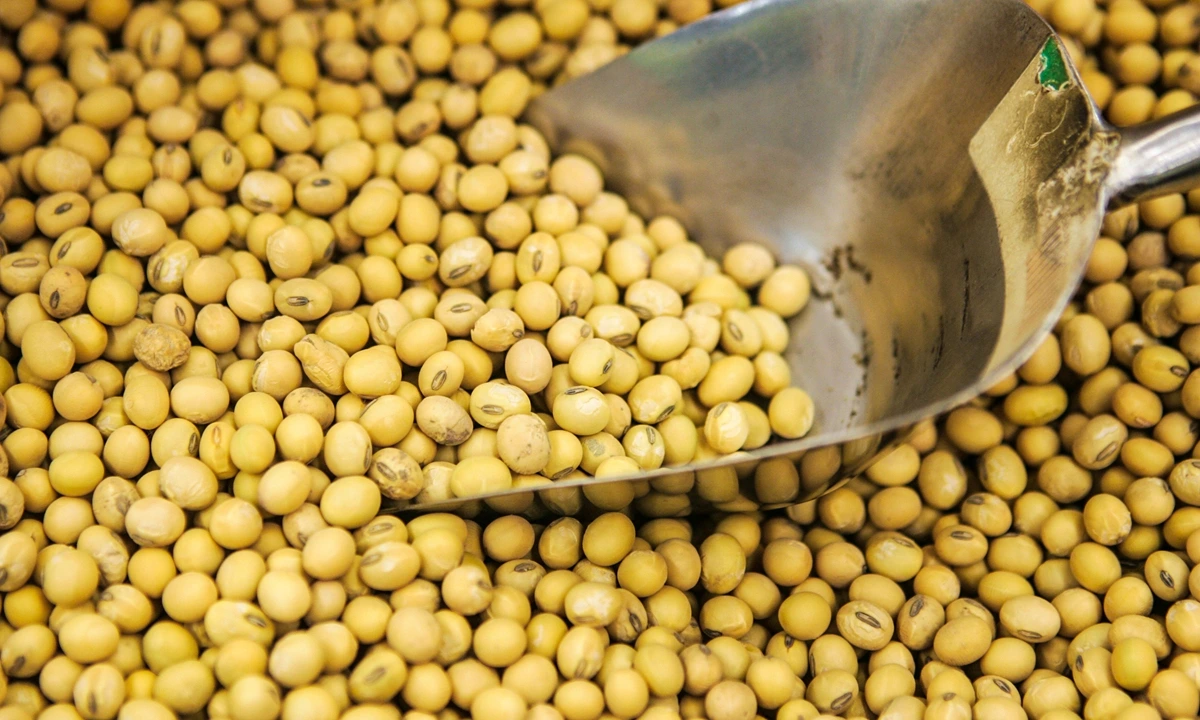
The cost to plant, grow, and harvest grains rose, and poor weather made things harder. Government data showed wheat and barley would only turn a profit if yields hit new highs.
At the same time, prices for rape and canola seeds stayed strong, near $496 per tonne in Uruguay, thanks to good demand and a strong euro.
China, after cutting US soybean orders, signed new deals to buy Uruguayan soybean and canola meal, documented in official trade reports. These moves aimed to replace similar imports from Canada, which also lost ground because of new US tariffs.
US tariffs triggered more than just direct trade fights with China. Both Canada and Mexico hit back with new trade barriers of their own. This caused ripple effects in global grain supply, hurting farmers who rely on stable markets.
The story behind the story: A single political decision—raising tariffs—has global consequences. Farmers in Uruguay may celebrate short-term demand but pay in uncertainty and thinner profits.
American growers struggle to find buyers at home and abroad. Buyers in China and elsewhere hunt for alternative supplies.
More: Brazil news in English, every day from The Rio Times.
This article was produced by The Rio Times’ automated newsroom system. How we use AI · Report an error · Editorial responsibility: Matthias Camenzind, Editor-in-Chief