IBOV 187,366.84 ▲ 1.20% IPSA 11,315.26 ▼ 1.14% IPC MEX 65,010.39 ▲ 0.44% MERVAL 3,075,982 ▲ 1.36% COLCAP 2,569.47 ▲ 0.15% BVL PERÚ 59,620.96 ▲ 1.05% USD/BRL5.09▲ 0.07% USD/MXN16.90▼ 0.08% USD/CLP924.74▼ 1.05% USD/COP3,113▼ 0.43% USD/PEN3.35▼ 0.11% USD/ARS1,512▼ 0.02% USD/UYU40.22▲ 3.05% USD/PYG5,892▲ 2.04% USD/BOB12.45▲ 2.69% USD/DOP58.58▲ 2.05% USD/CRC446.50▲ 1.47% USD/GTQ7.64▲ 3.15% USD/HNL26.84▲ 3.19% USD/NIO36.62▲ 2.65% USD/VES818.05▼ 0.13% USD/PAB1.00— 0.00% USD/BZD2.00— 0.00% USD/JMD 157.28 — 0.00% USD/TTD6.71▲ 1.95% EUR/BRL5.92▼ 0.61% BRENT 88.88 ▼ 0.03% WTI 83.11 ▼ 0.11% IRON ORE 161.91 — — COPPER 6.61 ▲ 0.03% GOLD 4,461 ▲ 1.78% SILVER 65.59 ▲ 1.26% SOY 1,184 ▲ 3.20% CORN 480.50 ▲ 10.02% WHEAT 655.00 ▲ 3.93% COFFEE 317.25 ▼ 5.51% SUGAR 16.43 ▼ 1.79% ORANGE JUICE 138.55 ▼ 0.47% COTTON 85.03 ▲ 2.33% COCOA 5,719 ▲ 3.18% BEEF 223.60 ▼ 3.93% CATTLE 339.10 ▼ 3.16% LITHIUM 75.20 ▲ 1.47% PETR4 41.64 ▼ 0.05% VALE3 72.97 ▲ 0.83% ITUB4 38.60 ▼ 1.03% BBDC4 16.85 ▲ 0.36% ABEV3 14.89 ▼ 0.80% BBAS3 19.37 ▲ 0.47% B3SA3 14.26 ▼ 0.21% WEGE3 47.59 ▲ 0.49% PRIO3 59.14 ▼ 0.19% SUZB3 41.33 ▲ 2.35% RENT3 34.68 ▼ 0.09% AZZA3 15.89 ▼ 2.63% CSAN3 3.22 ▼ 1.83% RAIZ4 0.25 — 0.00% PCAR3 2.75 ▼ 0.36% GMAT3 3.65 ▼ 1.08% PSSA3 48.13 ▼ 0.54% CVCB3 1.33 ▼ 2.92% POSI3 3.36 ▲ 2.44% SLCE3 13.34 ▲ 0.30% NATU3 8.14 ▼ 0.73% IBOV 187,366.84 ▲ 1.20% IPSA 11,315.26 ▼ 1.14% IPC MEX 65,010.39 ▲ 0.44% MERVAL 3,075,982 ▲ 1.36% COLCAP 2,569.47 ▲ 0.15% BVL PERÚ 59,620.96 ▲ 1.05% USD/BRL 5.16 ▲ 0.01% USD/MXN 17.06 ▼ 0.24% USD/CLP 913.98 ▲ 0.04% USD/COP 3,140 ▲ 0.03% USD/PEN 3.36 ▼ 0.66% USD/ARS 1,493 ▲ 0.10% USD/UYU 40.27 ▲ 1.24% USD/PYG 5,939 ▲ 1.68% USD/BOB 11.64 ▼ 0.76% USD/DOP 58.34 ▲ 1.25% USD/CRC 445.92 ▲ 0.89% USD/GTQ 7.62 ▲ 2.21% USD/HNL 26.79 ▲ 1.57% USD/NIO 36.62 ▲ 0.69% USD/VES 762.44 ▼ 0.13% USD/PAB 1.00 — 0.00% USD/BZD 2.00 — 0.00% USD/JMD 157.28 — 0.00% USD/TTD 6.70 ▲ 0.61% EUR/BRL 5.95 ▲ 1.01% BRENT 88.88 ▼ 0.03% WTI 83.11 ▼ 0.11% IRON ORE 161.91 — — COPPER 6.61 ▲ 0.03% GOLD 4,461 ▲ 1.78% SILVER 65.59 ▲ 1.26% SOY 1,184 ▲ 3.20% CORN 480.50 ▲ 10.02% WHEAT 655.00 ▲ 3.93% COFFEE 317.25 ▼ 5.51% SUGAR 16.43 ▼ 1.79% ORANGE JUICE 138.55 ▼ 0.47% COTTON 85.03 ▲ 2.33% COCOA 5,719 ▲ 3.18% BEEF 223.60 ▼ 3.93% CATTLE 339.10 ▼ 3.16% LITHIUM 75.20 ▲ 1.47% PETR4 41.64 ▼ 0.05% VALE3 72.97 ▲ 0.83% ITUB4 38.60 ▼ 1.03% BBDC4 16.85 ▲ 0.36% ABEV3 14.89 ▼ 0.80% BBAS3 19.37 ▲ 0.47% B3SA3 14.26 ▼ 0.21% WEGE3 47.59 ▲ 0.49% PRIO3 59.14 ▼ 0.19% SUZB3 41.33 ▲ 2.35% RENT3 34.68 ▼ 0.09% AZZA3 15.89 ▼ 2.63% CSAN3 3.22 ▼ 1.83% RAIZ4 0.25 — 0.00% PCAR3 2.75 ▼ 0.36% GMAT3 3.65 ▼ 1.08% PSSA3 48.13 ▼ 0.54% CVCB3 1.33 ▼ 2.92% POSI3 3.36 ▲ 2.44% SLCE3 13.34 ▲ 0.30% NATU3 8.14 ▼ 0.73%
since 2009
Wednesday, September 9, 2026

Africa South Africa

U.S. Sets Tough Trade Terms as Afrikaner Delegation Outpaces South African Officials

By · June 26, 2025 · 3 min read

Africa Intelligence

One email, every weekday morning. African markets, politics and business — filed from our newsroom in Rio.

Yesterday’s subject line: “China's Africa lending fell 46% in one year”

Free. We send a confirmation link first — nothing arrives until you click it. Unsubscribe with one click in any edition. If you stop opening us for 30 days we stop sending by ourselves, as we assume the interest is no longer there. See our privacy policy. We never share your email.

A senior Afrikaner delegation, led by Freedom Front Plus leader Corné Mulder, Southern African Agri Initiative CEO Theo de Jager, and National Employers’ Association CEO Gerhard Papenfus, met White House officials on June 25, 2025, in Washington, D.C.

They discussed conditions for normalizing U.S.-South Africa relations, outperforming South Africa’s official delegation.

The U.S. outlined four prerequisites for continued trade ties, including preferential tariffs, critical for South Africa’s economy.

The U.S. demands South Africa classify farm attacks as priority crimes, ensuring thorough investigations.

Farm murders, often targeting Afrikaner farmers, sparked protests, with 225 farm deaths from 2020 to 2024, though only a fraction were white.

This addresses concerns raised during a May 2025 Oval Office meeting where President Trump showed videos of Economic Freedom Fighters’ leader Julius Malema chanting “Kill the Boer.”

South African President Cyril Ramaphosa condemned the chant but argued crime affects all races.

[video_player file=”https://www.riotimesonline.com/wp-content/uploads/2023/08/kill-boer.mp4″]

U.S. Sets Tough Trade Terms as Afrikaner Delegation Outpaces South African Officials

Additionally, the U.S. requires the African National Congress to publicly denounce “Kill the Boer” in any form.

The song, deemed hate speech by some, fuels tensions, yet South Africa’s courts have upheld its use.

The U.S. also insists on fair compensation for land expropriation, countering South Africa’s policies that allow seizures without payment, which deter foreign investment.

Finally, the U.S. seeks exemptions for American companies from Black Economic Empowerment laws, viewed as non-tariff trade barriers.

These race-based policies, including land reform, hinder U.S. investment, the delegation argued at the Hudson Institute.
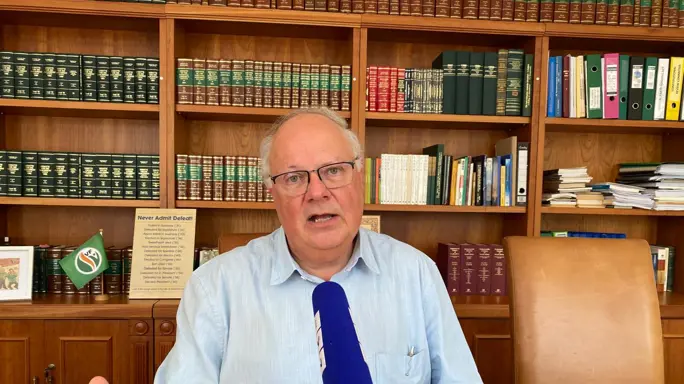
Corné Mulder
U.S. Sets Tough Trade Terms as Afrikaner Delegation Outpaces South African Officials – Corné Mulder
One-stop reference
Company Intelligence
Every listed company in Latin America — financials, ownership and structure for 1,450+ companies across 26 exchanges, in one place.
Browse the directory →
RT
Ask Rio Times
17 years of Latin America reporting, on demand.
Open the full Ask Rio Times →

South Africa’s economy, reliant on U.S. trade, faces risks if these conditions remain unmet, potentially losing preferential tariffs.

Social media posts on X reflect urgency, with users like @katiabeeden noting the U.S. conditions as critical for trade continuity.

The Afrikaner delegation’s success contrasts with Ramaphosa’s delegation, which faced criticism for failing to address U.S. concerns.

Political analyst Levy Ndou criticized the Freedom Front Plus for relaying foreign demands, highlighting domestic tensions.

These U.S. demands come as Washington has imposed sweeping new tariffs on South African exports, including a 30% duty on most goods and a 25% tariff on vehicles, while exempting critical minerals.

The tariffs threaten key sectors such as automotive and agriculture, which are vital for South African employment and export revenue.

With the African Growth and Opportunity Act (AGOA) set to expire soon, South Africa’s preferential access to U.S. markets hangs in the balance.

If South Africa does not meet these conditions, the risk of losing trade benefits and further economic disruption looms large.

The Afrikaner delegation’s talks mark a significant shift in U.S. policy, putting clear commercial and political terms on the table for future engagement.


This article was produced by The Rio Times’ automated newsroom system. How we use AI · Report an error

Part of our ongoing coverage

Africa: The New Scramble — the great-power contest over the continent.

More from Southern Africa

Read More from The Rio Times

The Rio Times · Power Map
See who really holds power in Latin America
Click to open the Power Map

Rotate for Best Experience

This report is optimized for landscape viewing. Rotate your phone for the full experience.