The Hidden Battle for Trump’s Iran Policy: Hawks, Restrainers, and the Lure of Regime Change
(Analysis) On June 22, 2025, the United States launched “Operation Midnight Hammer,” a audacious strike on Iran’s nuclear facilities at Fordow, Natanz, and Esfahan.
Seven B-2 stealth bombers, armed with 14 Massive Ordnance Penetrators, and over 30 Tomahawk missiles cratered the sites, marking a dramatic escalation in the U.S.-Iran standoff.
President Donald Trump hailed the operation as a “total obliteration” of Iran’s nuclear ambitions, yet the strikes’ strategic fallout remains uncertain.
Satellite imagery is inconclusive, Iran claims minimal damage, and a retaliatory missile barrage on Israel underscores Tehran’s resilience.
Amid the geopolitical noise, a quieter but no less consequential battle is unfolding within the Trump administration.
One that could determine whether the U.S. veers toward a limited containment strategy or a perilous quest for regime change in Iran.
This internal struggle pits interventionist hawks, who see the strikes as a springboard to dismantle the Islamic Republic, against restrainers, who urge caution to avoid another Middle East quagmire.
The outcome will shape not only U.S. foreign policy but also Trump’s second-term legacy, as he navigates the tension between his “peacemaker-in-chief” persona and the seductive allure of military triumph.
At stake is whether the interventionists can convince Trump that regime change is an unavoidable necessity.
A move that could entangle the U.S. in a long conflict, destabilize the region, and derail his domestic agenda.

The Factional Divide
The Trump administration is no monolith on foreign policy. Since his 2016 campaign, Trump has championed a nationalist, America-first ethos, skeptical of the “forever wars” that drained U.S. resources in Iraq and Afghanistan.
This vision, rooted in the MAGA movement, aligns with the restrainer faction—advisors who advocate prioritizing core national interests over global adventurism.
Figures like Vice President J.D. Vance, a veteran of Iraq, and Secretary of Defense Pete Hegseth, who served in Afghanistan, embody this camp.
They argue that the U.S. should pivot from the Middle East, with its 5% of global GDP, to strategic priorities like countering China in the Pacific.
Until recently, Dan Caldwell, a former Marine and senior advisor to Hegseth, was a leading restrainer voice, warning against military overreach before his ousting in a controversial leak investigation.
Opposing them are the interventionists, a hawkish cadre echoing the neoconservative playbook of pre-2016 Republicanism.
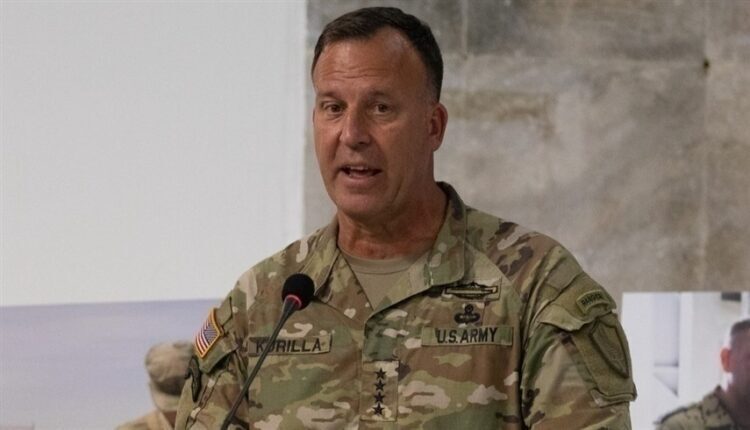
Led by figures like General Michael Kurilla, commander of U.S. Central Command, and bolstered by external voices from think tanks like the Foundation for Defense of Democracies, they view U.S. global dominance as essential for security and liberal values.
For them, Iran’s nuclear program is not the sole threat; the regime itself—its proxies, missiles, and defiance—must be toppled to reshape the Middle East.
The strikes, they argue, are a first step toward creating conditions for regime collapse, a goal Caldwell warns is their “true objective.”
The bombing of Iran’s nuclear sites was a clear victory for the hawks. Trump, swayed by a June 8 briefing from General Dan Caine, overrode restrainer objections to launch the operation.
Caldwell, now outside the administration, revealed on UnHerd that the interventionists see this as more than a nuclear setback: “For a lot of people, this isn’t actually about a nuclear bomb. It is about creating the conditions for a regime change or regime collapse in Iran.”
The question now is whether they can build on this momentum to make regime change seem inevitable to a president wary of prolonged conflicts.
The Interventionist Playbook
The interventionists’ strategy hinges on framing regime change as an unavoidable response to Iran’s actions.
One escalation pathway, Caldwell notes, is the push to “verify” damage to nuclear facilities, requiring ground operations by U.S. or Israeli commandos.
Such a move would cross the threshold into a ground war, committing the U.S. to a deeper engagement.
Iran’s missile barrage on Israel, which wounded 16 in Tel Aviv and Haifa hours after the strikes, provides fodder for the hawks’ narrative: Tehran’s defiance proves it cannot be contained, only defeated.
External pressures amplify this case, with neoconservative media and think tanks urging Trump to seize the moment of Iran’s perceived weakness, exacerbated by the loss of key proxies since October 7, 2023.
Trump’s own rhetoric fuels this trajectory. His Truth Social post on June 22, musing about “regime change” if Iran fails to “MAKE IRAN GREAT AGAIN,” was dismissed by administration officials like Hegseth as rhetorical flourish.
Yet it signals a receptivity to hawkish arguments, especially when paired with Trump’s enthusiasm for the strikes’ military prowess.
The interventionists may argue that only regime change can prevent Iran from sprinting toward a nuclear bomb or destabilizing the region through proxies, casting it as the sole path to secure U.S. interests.

The Restrainers’ Counteroffensive
The restrainers, though weakened by Caldwell’s exit and the marginalization of figures like Elbridge Colby (derided by Trump as “bridge to nowhere”), are not without leverage.
Vance, a rising star with MAGA clout, has carefully framed the strikes as a limited setback to Iran’s nuclear program, avoiding claims of destruction.
His measured rhetoric —emphasizing de-escalation—signals an intent to steer Trump away from a broader war.
Hegseth, scarred by Afghanistan, shares this caution, as does Secretary of State Marco Rubio, who has stressed that the U.S. seeks no regime change.
Their experiences in protracted conflicts lend weight to their argument: another Middle East war would squander resources and betray Trump’s anti-interventionist base.
Diplomacy is the restrainers’ strongest card by backchannel talks, possibly via regional partners like Turkey’s Recep Tayyip Erdoğan or U.S. envoy Steve Witkoff, to signal to Iran that the U.S. does not seek its collapse.
The administration’s unified messaging post-strikes, emphasizing a “narrow, contained operation,” suggests the restrainers are fighting to keep Trump tethered to his campaign promise of ending, not starting, wars.
The Stakes for Trump and Beyond
Trump faces a defining choice. A prolonged conflict risks replicating the quagmires that consumed the previous administrations, draining resources and attention from domestic priorities like immigration and economic reform.
A sustained war could spike oil prices, especially if Iran disrupts the Strait of Hormuz, fueling inflation and alienating voters.
The MAGA base, already rattled by critics like Rep. Marjorie Taylor Greene, who decried the strikes’ constitutionality, may revolt if Trump morphs into a war president.
Caldwell warns that “if this becomes a long, drawn-out war, there is really a risk that the whole second-term agenda is thrown off course.”
Globally, the stakes are equally grave. Iran’s quiet response so far—beyond the Israel barrage—suggests a regime weighing survival against escalation.
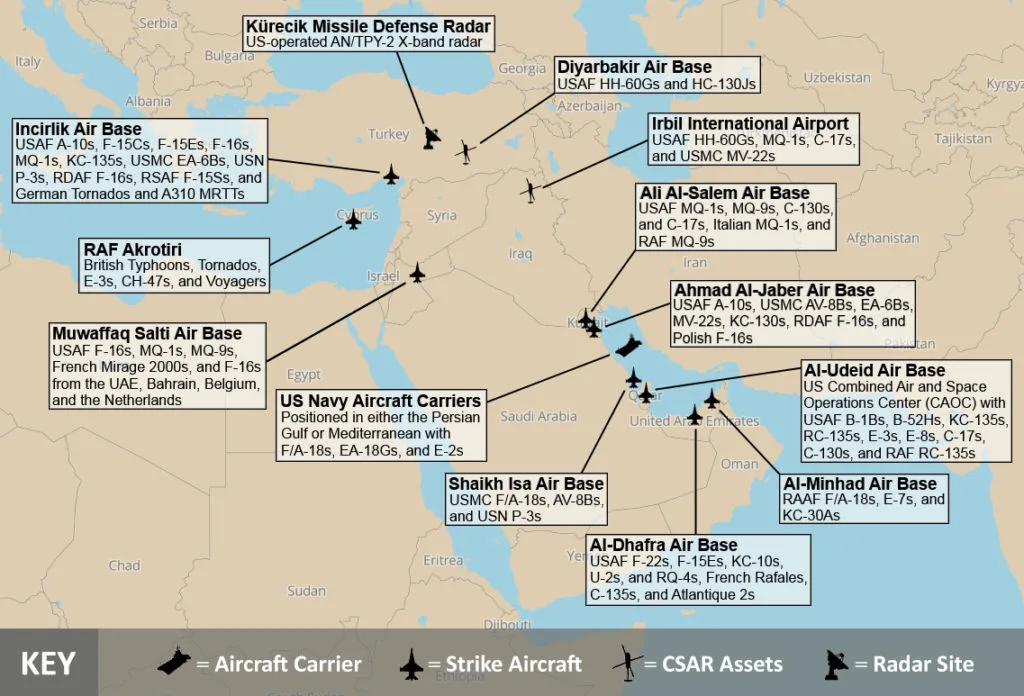
A miscalculation, such as targeting U.S. bases like Al-Asad, could trigger a retaliatory spiral, with casualties in the tens of thousands.
Iran might withdraw from the Non-Proliferation Treaty or, in a worst-case scenario, descend into civil war, risking nuclear material falling into rogue hands.
Gulf allies, already nervous, could face Iranian reprisals, destabilizing global energy markets.
The Path Ahead
The next weeks will test whether the interventionists’ vision of regime change prevails or the restrainers can reclaim Trump’s foreign policy. Iran’s response—restrained so far—will shape the narrative.
As Tehran has opted for symbolic retaliation with its missile attack on the U.S.-operated Al Udeid Air Base in Qatar on Monday, the restrainers may gain traction, pushing for diplomacy to restore a tense status quo.
For now, the administration’s diplomatic signals and Vance’s prominence offer hope that restraint may yet prevail.
But the hawks’ victory in securing the strikes, coupled with Trump’s flirtation with regime change, underscores their influence.
The hidden battle within the White House is not just about Iran—it’s about whether Trump can resist the siren call of a transformative war and preserve the nationalist vision that propelled him to power.
This article was produced by The Rio Times’ automated AI newsroom. Editorial responsibility: Matthias Camenzind, Publisher and Editor-in-Chief. The Rio Times also runs Ask Rio Times, which answers from 100,000+ of our own articles, the daily Latin America Power Map, and prediction-market odds on elections and markets.. How we use AI · Report an error