U.S. Moves to Stop Chinese Nickel Deal in Brazil Amid Rare Earth Fears
On 18 August 2025, the American Iron and Steel Institute (AISI) urged the U.S. Trade Representative to block the sale of Anglo American’s nickel operations in Brazil to MMG Limited, a company controlled by China Minmetals.
The institute warned that the deal would expand Beijing’s influence over nickel supplies and create the same kind of dependency that already exists with rare earths.
The agreement, announced in February, is worth up to 500 million dollars. Anglo American will receive 350 million upfront and as much as 150 million more depending on nickel prices and project development.
The package includes two ferronickel plants and mines in Goiás and projects in Mato Grosso and Pará. Together, these operations produce around 40,000 metric tons of ferronickel annually.
Anglo American described them as low-cost, long-life assets, while MMG called them world-class additions. AISI’s concern goes beyond market competition. Nickel is critical for stainless steel and electric vehicle batteries.
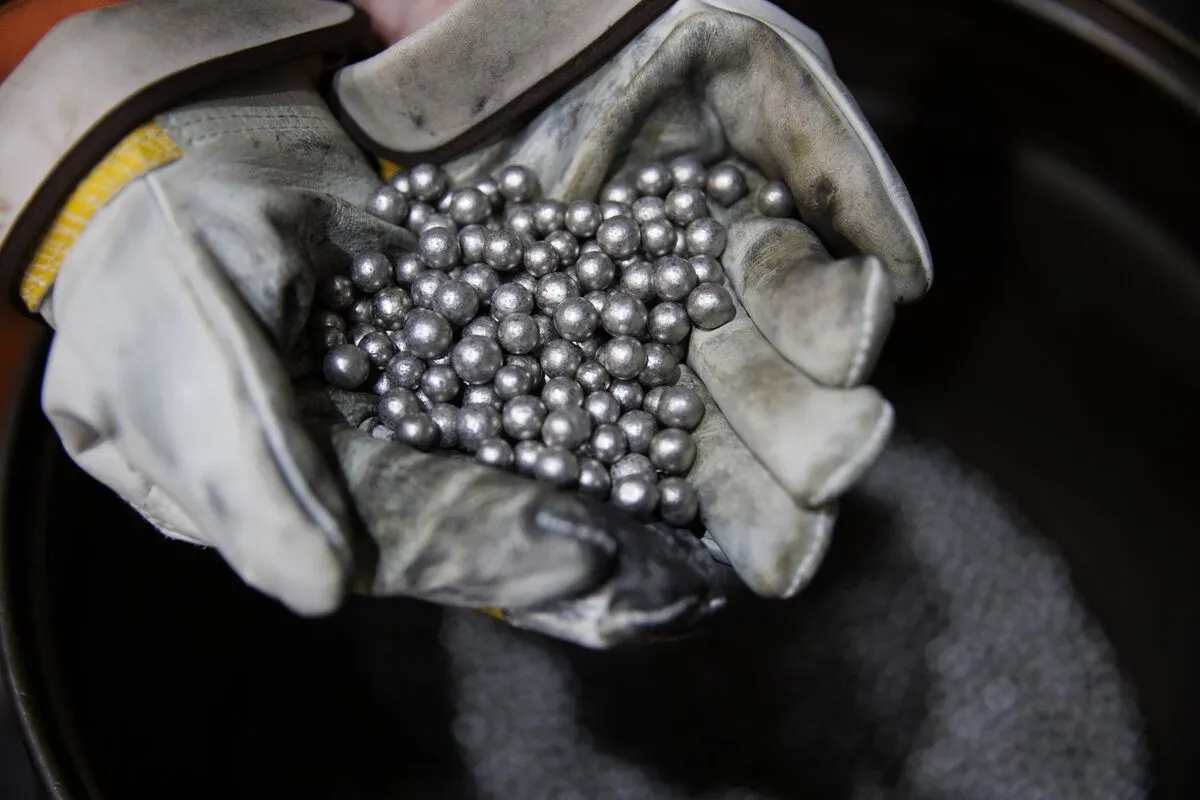
China already dominates refining capacity after heavy investment in Indonesia, the world’s largest nickel producer. Analysts estimate Chinese companies now control as much as three quarters of global refining. Adding Brazil’s operations would further tighten that grip.
For Washington, the fear is a repeat of what happened with rare earth elements. More than a decade ago, China consolidated control over those minerals, supplied over 90 percent of global demand, and briefly restricted exports during a dispute with Japan.
Prices soared, industries scrambled, and governments realized how vulnerable they had become. The Brazilian constitution states that mineral resources belong to the state and cannot be sold as property.
What shifts in this deal are exploration rights, moving from a British-based multinational to a Chinese state-owned firm. That transfer highlights why the U.S. industry views the sale as a geopolitical move rather than a normal business transaction.
Neither the Trump administration nor the Brazilian government has responded to the request. Yet the stakes are clear: if China extends its dominance from rare earths to nickel, it will gain even more leverage over global industries that depend on secure access to critical minerals.
More: Brazil news in English, every day from The Rio Times.
This article was produced by The Rio Times’ automated newsroom system. How we use AI · Report an error · Editorial responsibility: Matthias Camenzind, Editor-in-Chief