Tunisia’s Plastic Pollution Could Cost Up to US$10 Billion by 2040
Tunisia · ENVIRONMENT
Key Facts
- —The country Tunisia, a North African country of about 12 million people whose economy leans heavily on its Mediterranean coast, imports almost all the raw plastic it uses and has no plastic-making industry of its own.
- —Background Tunisia has restricted single-use plastic bags since January 2020 and already has producer-responsibility legislation on its books, but Greenpeace says enforcement needs to be much stronger.
- —What happened A Greenpeace MENA report released on 24 September puts the cost of plastic pollution to Tunisia at US$170 million to US$560 million a year, and at US$3 billion to US$10 billion in total by 2040 if current trends continue.
- —Why it matters The report says these costs are already being paid, mostly out of public budgets, and hit the coastline, tourism and fishing on which many Tunisians depend.
- —Still open Whether Tunisia argues for cuts in plastic production at the Global Plastics Treaty meeting in Bangkok (27 to 30 September) and the formal round expected in March 2027, and whether its bag and producer rules are enforced at home.
Plastic pollution already costs Tunisia up to US$560 million a year, and inaction could push the bill to US$10 billion by 2040, according to a new Greenpeace MENA report.
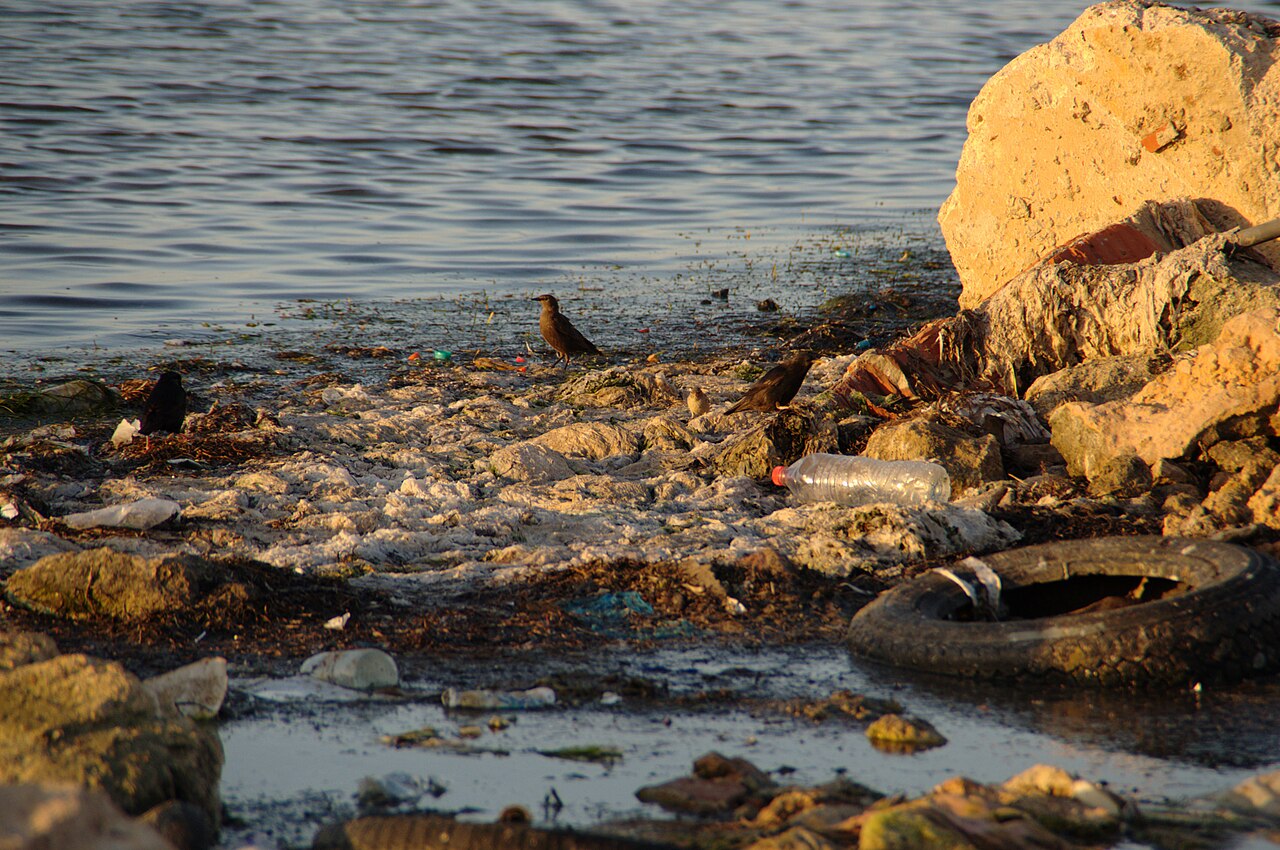
Tunisia plastic pollution costs the country between US$170 million and US$560 million a year, according to a Greenpeace Middle East and North Africa report released on 24 September. If current trends continue, the report projects a cumulative bill of US$3 billion to US$10 billion by 2040.
What the Greenpeace report found
The report, Counting the Cost of Plastic Pollution in Egypt, Morocco and Tunisia, puts Tunisia’s central estimate at about US$400 million a year. Across the three countries it estimates net costs of US$1.7 billion to US$5.5 billion a year and US$30 billion to US$98 billion by 2040.
Greenpeace says the costs are being paid now, mostly by public budgets. They reach beyond waste collection and treatment to coastal ecosystems, fishing and tourism.
Tunisia’s position is unusual among the three. The report says it runs the best-performing waste system of the group, lives almost entirely on its coast and has no plastic production industry to protect.
The scale of Tunisia plastic pollution
Tunisia produces about 188,000 tonnes of plastic waste a year, out of more than 2 million tonnes of waste in total, according to World Bank figures cited in the report. About 17,000 tonnes of plastic reach the Mediterranean each year from roughly 55,500 tonnes of mismanaged plastic waste on land.
On nine Tunisian beaches surveyed for the report, 77 percent of 9,821 collected items were plastic. Of the waste whose origin could be identified, 98.2 percent came from Tunisia.
That local origin matters. Most of the litter comes from inside the national system rather than washing in from abroad, even though Tunisia imports almost all of its raw plastic polymers.
What Greenpeace wants Tunisia to do
At home, the report says Tunisia can build on its existing producer-responsibility law and extend it to fishing gear. Fishing gear made up about 22.2 percent by weight of the waste recorded on the surveyed beaches.
It also calls for stricter enforcement of the restrictions on single-use plastic bags that have been in force since January 2020.
“Delaying action is currently the most expensive option on the table,” said Farah Al Hattab, lead plastics campaigner at Greenpeace MENA.
The treaty angle
The report was released days before the Global Plastics Treaty heads-of-delegation meeting in Bangkok from 27 to 30 September. The next formal round of negotiations is expected in March 2027, and Tunisia, Egypt and Morocco are among the delegations taking part.
Greenpeace argues that because Tunisia makes no plastic, cuts in global production would serve its economic interest. A strong treaty, it says, should reduce unnecessary plastic at source, hold producers responsible and fund countries left with waste they did not create.
The stakes are high for a country whose coast carries much of its tourism and fishing. Waste and infrastructure strains have become a wider theme across Africa, explored in Africa: The New Scramble.
What to watch next
The first test is what position Tunisia’s delegation takes in Bangkok and in the March 2027 negotiating round. The second is at home: whether the bag restrictions and producer-responsibility rules are enforced and extended to fishing gear.
The figures are estimates from an advocacy group’s report rather than official data. Until policy changes, the report’s annual range of US$170 million to US$560 million is the cost it says Tunisia is already carrying.
Frequently Asked Questions
How much could plastic pollution cost Tunisia by 2040?
A Greenpeace MENA report released on 24 September estimates that inaction could cost Tunisia between US$3 billion and US$10 billion in total by 2040 if current trends continue.
How much does plastic pollution cost Tunisia each year?
The report puts the current cost at US$170 million to US$560 million a year, with a central estimate of about US$400 million, paid mostly by public budgets.
How much plastic waste does Tunisia produce?
Tunisia produces about 188,000 tonnes of plastic waste a year, and about 17,000 tonnes of plastic reach the Mediterranean each year, according to World Bank figures cited in the report.
Connected Coverage
Sources
This article was produced by The Rio Times’ automated newsroom system. How we use AI · Report an error
LatAm Markets: Live Signals → — real-time movers, turnover leaders and FX across Latin America.
Read More from The Rio Times