Togo Tells Businesses to Get Ready for Certified Electronic Invoicing
Key Facts
- What happened. The Togolese Revenue Office (OTR) and the National Employers’ Council (CNP-Togo) briefed around 50 companies in Lomé on 10 September 2026 on the coming certified e-invoicing system.
- How big. The reform applies to invoicing across the formal economy. Each certified invoice will need a unique number, a QR code and a digital fingerprint so the tax office can verify it.
- The catch. Sending a PDF by e-mail will not count as certified invoicing. Companies must either use the OTR’s own solutions or connect their existing software to the tax system.
- Who it hits. Every business issuing invoices in Togo, including foreign-owned companies and freelancers billing local clients. Accounting, IT systems and internal controls all need review.
- What comes next. The OTR is consulting businesses before the system goes live. A start date and detailed technical specifications have not yet been published.
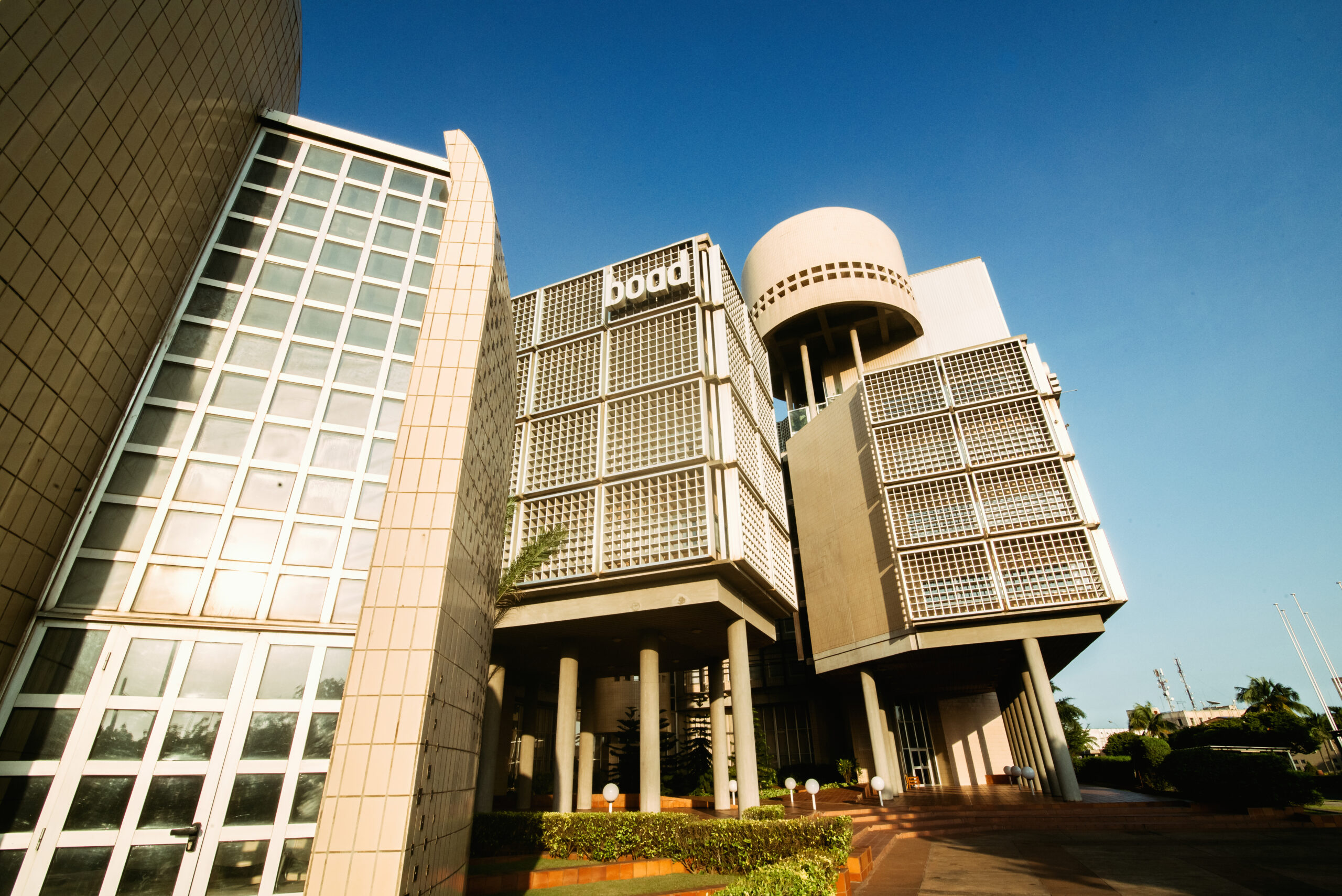
Togo’s tax office has started preparing companies for certified electronic invoicing, a reform written into the 2026 budget law. A PDF sent to a customer will no longer be enough.
Togo’s revenue authority, the OTR, met about 50 business representatives in Lomé on 10 September 2026 to prepare them for certified electronic invoicing. The reform, introduced under the 2026 budget law, will require every invoice to be verifiable, secure and traceable through the tax system.
What the reform requires
Certified electronic invoicing means that an invoice is not just a document but a verified record. Under the planned system, each invoice carries a unique number, a QR code and a digital fingerprint — data that allow the tax authority to confirm the invoice is genuine and unchanged. The reform was written into the 2026 budget law, and the Lomé meeting was the first large briefing for the private sector.
For the tax office, the goal is straightforward: track transactions as they happen and strengthen collection of value-added tax, the consumption tax that is one of the state’s main revenue sources. For companies, the change reaches further than replacing paper. Accounting processes, tax compliance, invoicing software, internal controls and even sales operations are affected.
Two ways to comply
Businesses will have two options. They can use invoicing solutions provided by the OTR itself, or they can keep their own software — provided it can connect to the tax authority’s system and meet its requirements. That second route matters for larger companies and foreign firms that run international accounting systems and cannot simply switch to a local tool.
Why Togo is doing this
Togo has spent years presenting itself as a reform-minded place to do business in West Africa, and tax digitalisation is a central part of that pitch. More complete invoicing data should raise revenue without raising rates, which protects the government’s effort to keep the investment climate attractive. The same logic sits behind this month’s separate campaign by the state intellectual property institute, INPIT, urging entrepreneurs to register trademarks and industrial designs.
What this means for foreign businesses and expats
Any foreign company, consultant or remote worker invoicing clients in Togo should assume the reform will reach them. Practical steps now: ask your accountant or software provider whether your invoicing tool can connect to the OTR system, and budget time for testing before the go-live date. Companies that prepare early typically face one difficult quarter; companies that wait face penalties and blocked payments.
What Is Not Known
The OTR has not published a start date, a transition period or penalty rules. It is not yet clear whether all businesses are covered from day one or whether smaller firms will get thresholds or delays. The cost of the OTR’s own solutions, and the technical certification process for private software, are also still open.
Frequently Asked Questions
What is certified electronic invoicing in Togo?
It is a system where every invoice must be verifiable through the tax authority — with a unique number, a QR code and a digital fingerprint. A simple PDF sent to a customer will not qualify as a certified invoice.
Who must comply with Togo’s e-invoicing reform?
The reform is built for businesses issuing invoices in Togo, including foreign-owned companies. Whether small firms get thresholds or delayed deadlines has not been announced.
When does certified e-invoicing start in Togo?
No start date has been published. The tax authority began consulting businesses in September 2026 and says companies should start preparing their accounting and IT systems now.
Connected Coverage
Sources
Togo First — Togo’s Tax Authority, Employers Discuss Certified E-Invoicing Reform · Wansom — Togo OTR: Certified E-Invoicing Reform Discussed With Businesses
This article was produced by The Rio Times’ automated newsroom system. How we use AI · Report an error
Read More from The Rio Times