
KENYA · ECONOMY
Key Facts
- The country Kenya, a leading tea exporter in East Africa, counts Sudan among its larger buyers.
- What happened Sudan’s trade minister signed an order ending the ban on Kenyan tea, in force since March 2025.
- The money Sudan bought about 35 million kilograms a year, a trade worth about US$70 million.
- The backlog Tea worth about US$24 million was stuck in transit or awaiting shipment when the ban began.
- What next Shipments can resume, but the order gives no date and no volume.
Sudan has lifted its 20-month ban on Kenyan tea, reopening a market worth about US$70 million a year to Kenyan growers and exporters. Sudan’s Minister of Industry and Trade, Mahasin Ali Yaqoub, signed the order on Sunday 8 November 2026, and it takes effect immediately.
For US readers, the decision matters because Kenya is among the world’s biggest black tea exporters, and Sudan has ranked among its larger buyers. It also shows how a political quarrel over Sudan’s war can close, and later reopen, a whole trade route.
What Happened
The Sovereignty Council, Sudan’s top ruling body, approved the decision in a letter dated Monday 2 November 2026. Sudan’s Cabinet followed with a communication on Thursday 5 November 2026, and the trade ministry’s Ministerial Order No. 25 of 2026 is dated Sunday 8 November.
The order is titled “Lifting of the Ban on Tea Imports from Kenya” and takes effect immediately. No shipment date or expected import volume has been made public.
Why the Ban Began
Sudan suspended all imports from Kenya in March 2025, including tea arriving by port, rail and air. Sudan’s government linked the step to Kenya’s dealings with the RSF.
The row began after the Rapid Support Forces (RSF), the paramilitary group fighting Sudan’s army, and allied groups signed a political charter in Nairobi on 22 February 2025. The charter aimed to form a parallel administration, and Sudan’s government accused Kenya of hosting and sponsoring a rebel group.
How Much Tea Is at Stake
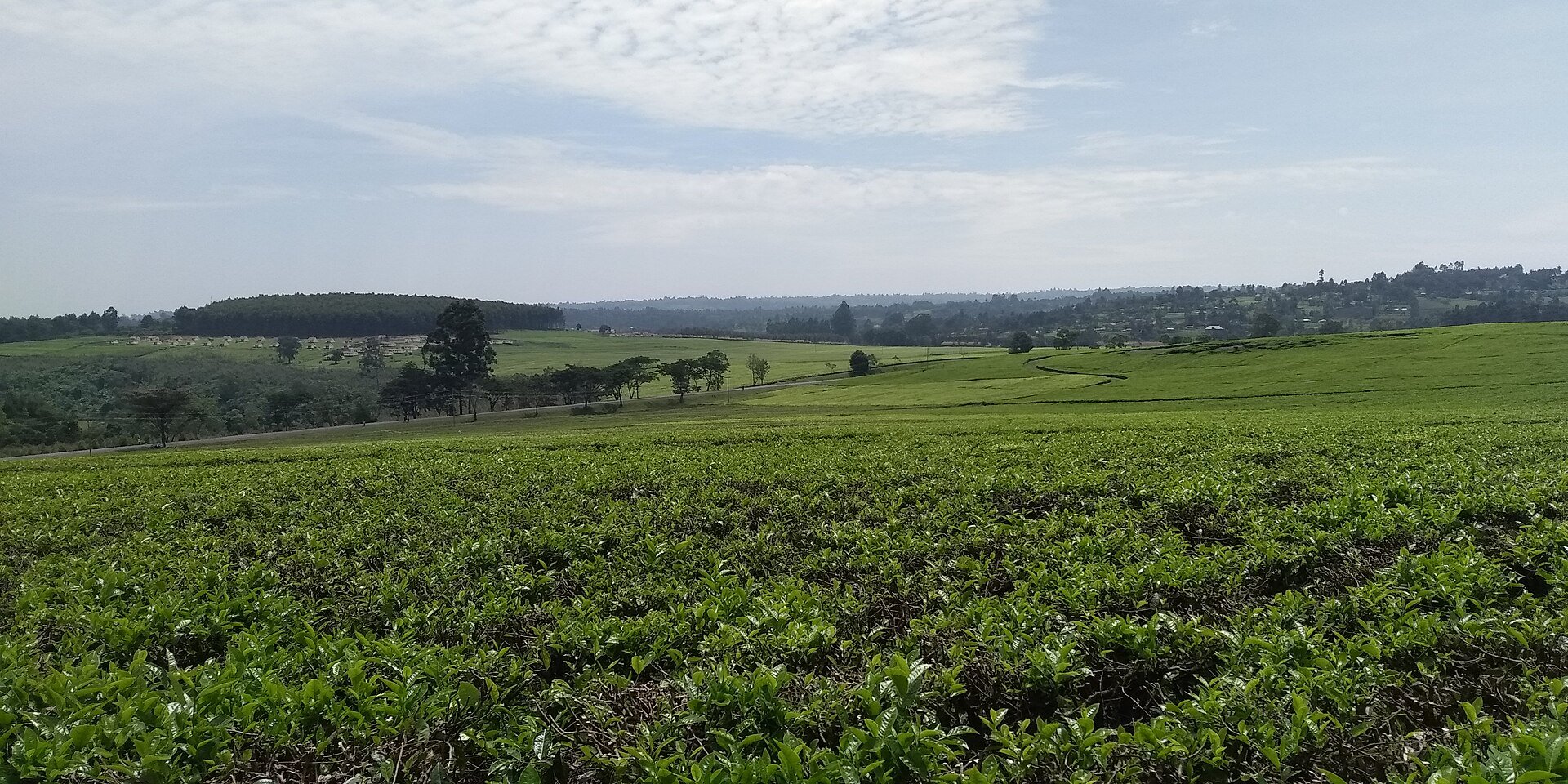
Sudan has historically bought about 35 million kilograms of Kenyan tea a year, a trade worth about US$70 million (about 9 billion Kenyan shillings, or Ksh9 billion). Sudan has ranked among Kenya’s top five tea destinations.
When the ban took effect, tea worth more than 3.1 billion Kenyan shillings, written Ksh3.1 billion (about US$24 million, at about 129.9 shillings per US dollar on 11 November 2026) was in transit or awaiting shipment. Part of it was stranded at Mombasa, Kenya’s main seaport.
In Plain English
A ban on imports means goods cannot enter a country, so tea bought in Kenya could not be unloaded in Sudan. Lifting it means Kenyan tea can again legally enter Sudan.
What It Means for You
Kenya is among the world’s biggest black tea exporters, so a reopened market changes where some of that tea is sold. Prices for tea buyers in the United States depend on many other markets, so no quick move should be expected.
Investors who follow Kenya’s economy can read the decision as a sign that trade ties with Sudan are mending. Travellers to Kenya face no change, because the order covers only tea imports into Sudan.
What Is Not Known
It is not known when the first Kenyan shipments will leave Mombasa, or how much tea Sudanese buyers will order. It is not clear whether other Kenyan goods covered by the March 2025 ban are also freed.
It is also unclear whether the political dispute over the Nairobi charter is settled. How quickly sales return to the old 35 million kilograms a year will depend on orders from Sudanese buyers.
More: Kenya news in English, plus our guides to Mombasa, Sudan’s economy and Sudan’s fuel shortage.
Frequently Asked Questions
Has Sudan Lifted Its Ban on Kenyan Tea?
Yes. Sudan’s trade ministry issued Order No. 25 of 2026, dated Sunday 8 November, after approvals on 2 and 5 November.
Why Did Sudan Ban Kenyan Tea?
Sudan suspended all imports from Kenya in March 2025 after Nairobi hosted a charter signing by the RSF paramilitary group and its allies. Sudan said it protected its security.
How Much Kenyan Tea Does Sudan Buy?
Sudan has historically bought about 35 million kilograms a year, worth about US$70 million. Actual orders now depend on Sudanese buyers.
When Will Kenyan Tea Reach Sudan Again?
The order takes effect immediately, but no shipment date has been made public. Exporters must still arrange contracts and shipping.
Sources: Sudan Ministry of Industry and Trade, Ministerial Order No. 25 of 2026 (8 November 2026); Sudan Sovereignty Council approval of 2 November 2026 and Cabinet communication of 5 November 2026; Sudan Ministry of Trade and Supply, import suspension decree of 11 March 2025; RT market data, USD/KES, 11 November 2026.
This article was produced by The Rio Times’ automated AI newsroom. Editorial responsibility: Matthias Camenzind, Publisher and Editor-in-Chief. The Rio Times also runs Ask Rio Times, which answers from 100,000+ of our own articles, the daily Latin America Power Map, and prediction-market odds on elections and markets.. How we use AI · Report an error