Strategic Pause: Tesla’s Megafactory in Mexico Awaits U.S. Election Outcome
Elon Musk’s decision to pause Tesla’s megafactory project in Mexico underscores the intricate dance between international business and politics.
This delay is a direct response to the potential reinstatement of tariffs on Mexican products, a policy floated by Donald Trump should he return to power.
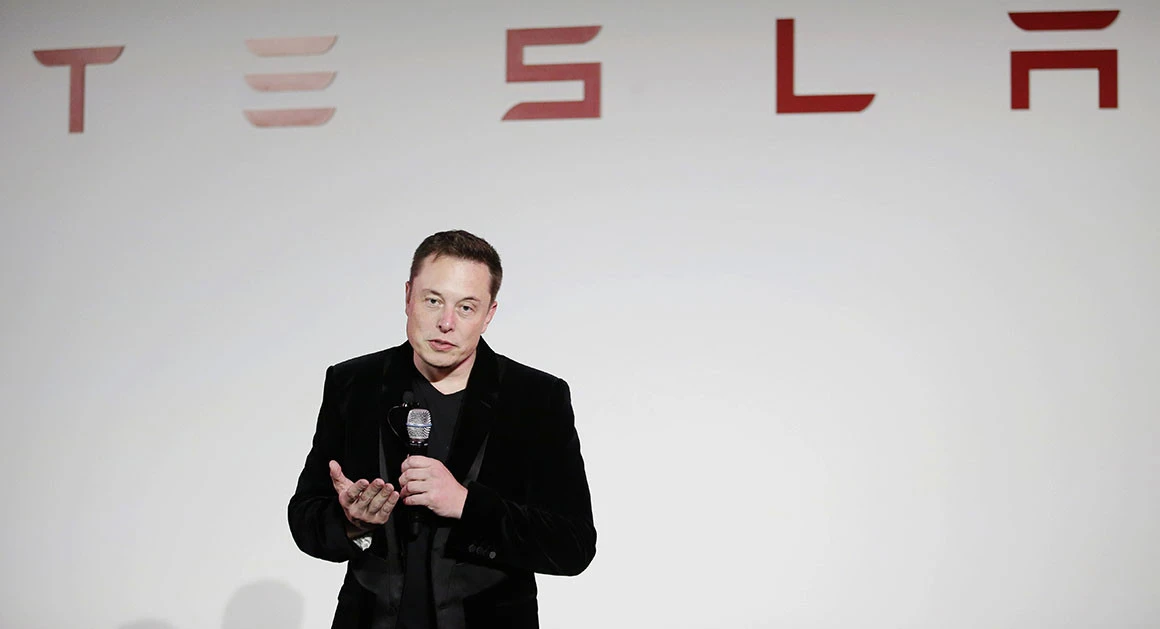
During a financial briefing, Musk highlighted that the U.S. presidential election’s outcome could significantly influence Tesla‘s expansion strategy.
He expressed concerns about the economic viability of the Mexican factory due to potential tariffs.
These tariffs could disrupt the cost-effectiveness of manufacturing vehicles so close to Tesla’s largest market.
Nuevo Leon, the chosen site for the factory, was poised to become a significant industrial hub, promising up to 6,000 new jobs.
The region’s officials had been optimistic, viewing Tesla’s investment as a key player in boosting Mexico‘s manufacturing capacity and reducing dependency on Asian markets.
However, the project faces environmental and resource challenges, particularly the scarcity of water in Nuevo Leon.
This issue has sparked discussions on the sustainability of such massive industrial endeavors.
Despite these hurdles, the local government has been working to reassure people that resources will be managed responsibly.
Musk’s cautious approach reflects a broader strategy for navigating the unpredictable waves of international diplomacy and economic policy.
This scenario is a testament to how global business decisions are often at the mercy of political climates.
Such decisions affect not just the companies involved but also the economies and communities they touch.
The outcome of the U.S. election could, therefore, dictate the future not only of Tesla’s operations in Mexico but also of the region’s economic landscape.
More: Mexico news in English, every day from The Rio Times.
This article was produced by The Rio Times’ automated newsroom system. How we use AI · Report an error · Editorial responsibility: Matthias Camenzind, Editor-in-Chief