Foreigners Buying Property in Mexico Face New Fideicomiso Costs in 2026 Beach Markets
Guides · Mexico
—The rule. Foreigners buying residential property within 50 km of a coast or 100 km of a border must use a fideicomiso bank trust, a structure required by Article 27 of the Mexican Constitution.
—The costs. Expect total closing costs around 5 to 10 percent of the purchase price. Setting up the trust costs a fixed government permit fee of 21,648.83 pesos, about US$1,200, plus the bank’s own opening charge of roughly US$500 to US$1,000. Only the trustee’s administration fee recurs, at about US$450 to US$800 a year.
—The prices. In January 2026, Mexico City apartments average about MXN 60,000 per square metre, or around USD 3,340, with exclusive areas such as Polanco and Condesa far higher.
—The yields. Main rental markets in Mexico are delivering gross yields roughly between 5 and 8 percent, making coastal and urban property a relevant income option for foreign investors.
—The process. A standard purchase involves an offer, due diligence, a promissory contract, notary closing, and final registration in the Public Registry of Property, which can take 2 to 12 weeks.
Buying property in Mexico as a foreigner in 2026 remains legally straightforward, but only if you understand the trust structure imposed by the constitution. Coastal and border markets force every non-Mexican buyer into a fideicomiso, while inland cities allow direct title.
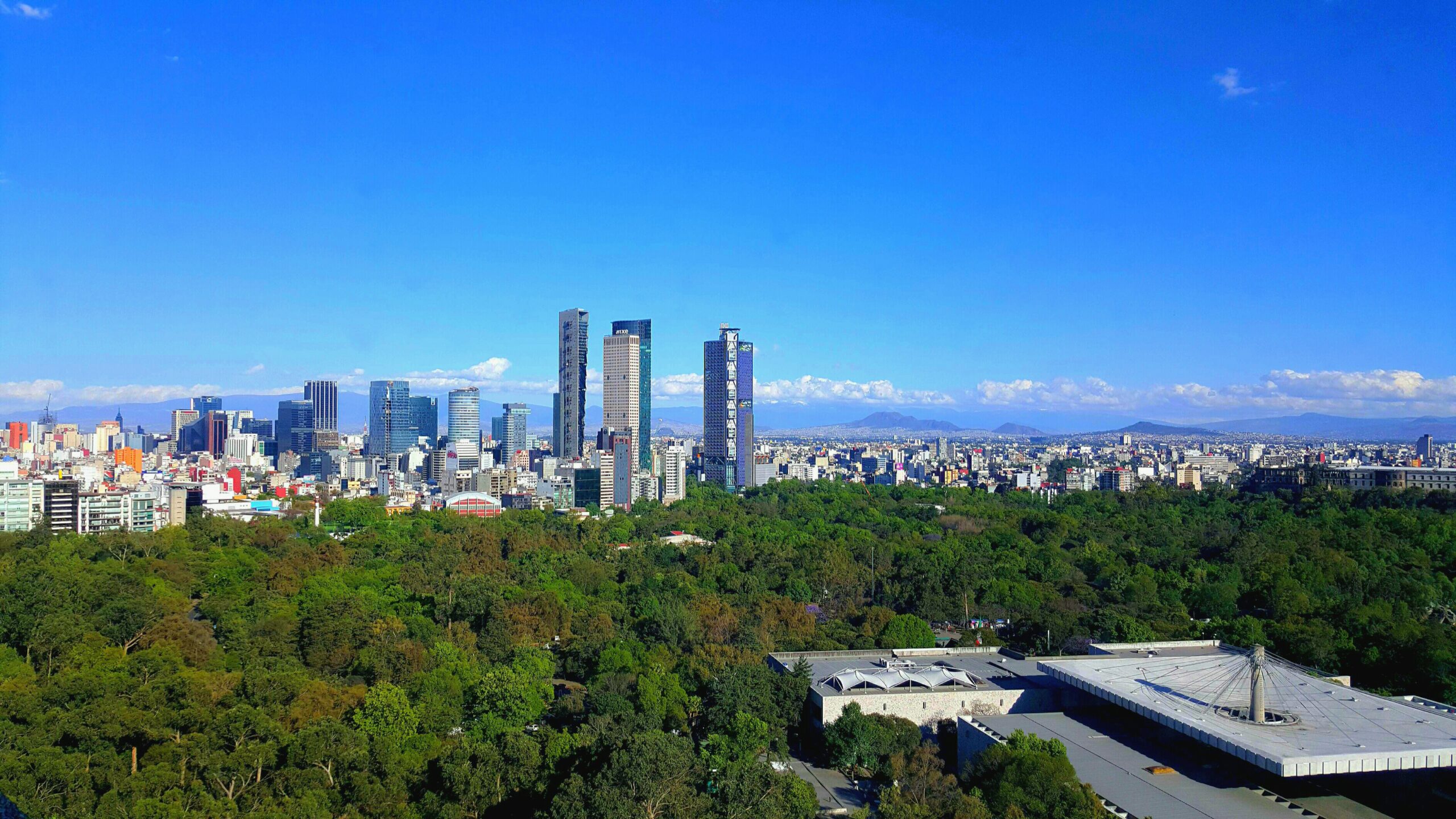
The constitutional rule that shapes every foreign purchase
Article 27 of the Mexican Constitution reserves direct land ownership for Mexican nationals and Mexican companies. For foreigners, this creates a special legal map that depends on geography.
Foreigners can hold direct title outside the restricted zone, including in Mexico City, Guadalajara and San Miguel de Allende. The restricted zone is any land within 50 km of a coastline or 100 km of an international border.
That band covers almost every major beach market: Playa del Carmen, Tulum, Cancún, Puerto Vallarta, Los Cabos, and Riviera Nayarit. No visa or residency status overrides this geographic rule.
Inside the restricted zone, foreign buyers must use a fideicomiso bank trust for residential property. A Mexican corporation can hold property directly but is mainly used for commercial or large development projects.
Buyers also accept the Calvo Clause under Article 27, Fraction I. This means treating yourself as a Mexican national regarding that property and not invoking your own government’s protection, with forfeiture possible for violations.
What the fideicomiso actually does
A fideicomiso is a real estate trust with a licensed Mexican bank acting as trustee. The seller is the trustor, the bank is the fiduciary, and the foreign buyer is the beneficiary.
The bank holds legal title, but the beneficiary keeps all economic and practical rights. That includes using, renting, remodelling, selling, and designating heirs for the property.
Standard term is 50 years, and it is perpetually renewable for additional 50-year periods. Modern practice treats it as effectively permanent as long as renewals and fees are maintained.
Setting up a fideicomiso requires a permit from the Secretaría de Relaciones Exteriores, or SRE, the foreign affairs ministry. The permit is granted for 50 years and linked to the trust term.
Common trustee banks include Scotiabank, Banorte, Banco del Bajío, Banamex, BBVA, Santander, and HSBC. Only licensed Mexican banks can serve as trustees.
Fideicomiso costs in 2026
Initial setup costs in high-demand coastal areas such as the Riviera Maya are typically USD 2,000 to USD 3,000. The SRE permit adds roughly USD 1,100 to USD 1,200.
Some general guides cite a lower band of USD 500 to USD 1,500, but detailed coastal reports from Quintana Roo consistently show USD 1,500 to USD 2,500 or more.
Annual trustee administration fees are commonly USD 500 to USD 600 per year, though some guides quote a wider range of USD 550 to USD 1,000 depending on bank and property value.
These trust costs sit on top of standard closing costs. Only the annual trustee administration fee is a permanent holding cost. The government permit fee and the bank’s opening charge are paid once, and the permit covers the full 50-year term.
The bank cannot sell or encumber the property without the beneficiary’s written consent. That consent is normally given through a letter before a Mexican notary public, the Notario Público.
Direct title versus bank trust
Outside the restricted zone, foreign individuals can hold direct title in their own name. This applies to Mexico City, San Miguel de Allende and Guadalajara.
Direct title avoids the fideicomiso setup fee and annual trustee fee. It still requires full due diligence, notary closing, and registration before ownership is complete.
Inside coastal and border areas, the fideicomiso is not optional for residential use. A Mexican corporation is an alternative only for commercial or multi-unit development, not for a simple personal residence.
The fideicomiso does not grant immigration status, and owning one gives no automatic residency benefit. It also does not shield the owner from Mexican property, acquisition, or rental income taxes.
Inheritance is easier through a fideicomiso because successor beneficiaries can be named. The property can then pass automatically on death without Mexican probate proceedings.
The step-by-step purchase sequence
Start by defining use and location. Decide whether the property is a vacation home, a rental investment, or both, and check if it sits inside or outside the restricted zone.
Select the property and make a written offer, often called an Oferta de Compra. The offer should include price, contingencies, and a realistic timeline.
Hire a real estate attorney experienced with foreign buyers and a Notario Público. The notary is a state-appointed lawyer with authority to formalise deeds and trusts.
Run due diligence on the title chain, liens, unpaid taxes, zoning, and land status. Avoid ejido, or communal land, unless it has been fully regularised for private ownership.
Sign a promissory agreement, the contrato de promesa, and pay a deposit often between 5 and 10 percent into escrow or trust. Then arrange the fideicomiso if the property is in the restricted zone.
Closing, taxes and registration
An official appraisal is required to determine the taxable base for the ISAI acquisition tax. The ISAI is a one-time transfer tax and is separate from the annual predial property tax.
At closing, the notary prepares the escritura pública, the public deed, and the fideicomiso deed if applicable. Buyer and seller sign before the notary.
The buyer pays the ISAI, notary fees, registry charges, and other closing costs. Total closing costs normally land between 5 and 10 percent of the purchase price.
The notary files the deed and trust documents in the Public Registry of Property. Final registration can take between 2 and 12 weeks, and ownership is only fully secure once that registry entry is complete.
Annual property tax, the predial, is low, roughly 0.05 to 0.3 percent of assessed value. Rental income remains subject to Mexican income tax, known as ISR, even when the property is held in a fideicomiso.
Mexico City prices in 2026
As of January 2026, apartment prices in Mexico City range from about MXN 25,000 per square metre in peripheral areas to over MXN 75,000 in the most exclusive neighbourhoods.
Independent trackers put the citywide apartment average between about 38,000 and 52,000 pesos per square metre in 2026, roughly US$2,100 to US$2,900 at 18.00 pesos to the dollar. The median sits closer to MXN 52,000.
New-build apartments average MXN 65,000 to MXN 75,000 per square metre. Resale apartments average MXN 50,000 to MXN 60,000.
Polanco is around MXN 75,000 per square metre, while Roma Norte is about MXN 70,000. Condesa and Lomas de Chapultepec range from MXN 70,000 to MXN 100,000 for prime units.
Because Mexico City is outside the restricted zone, foreign buyers can hold direct title. That removes fideicomiso costs but not standard closing costs or the ISAI acquisition tax.
Coastal and Yucatán market context
Playa del Carmen, Puerto Vallarta, and other beach markets sit inside the restricted zone. Every foreign residential buyer there must use a fideicomiso, and setup timelines often run 2 to 8 weeks.
Rental yields in main markets are roughly 5 to 8 percent. Coastal destinations with strong tourist demand tend to sit at the higher end of that range.
Mérida is a common misunderstanding. The city sits about 35 kilometres from the Gulf coast, so the whole municipality falls inside the 50-kilometre band and a bank trust is required. Towns well to the south, such as Acanceh at about 28 kilometres from Mérida, are still inside it too, so buyers should verify each property’s exact location.
Mérida property needs the same bank trust as Playa del Carmen or Puerto Vallarta. Its real cost advantage is the acquisition tax, 2 percent in Yucatán against 3 percent in Quintana Roo and Jalisco.
The restricted zone rule is based on geography, not migration status. A foreigner with permanent residency still must use a fideicomiso inside 50 km of a coast or 100 km of a border.
Rental yields and investment economics
Gross rental yields in main Mexican markets are estimated at roughly 5 to 8 percent. That range applies to urban rentals and tourist-heavy coastal areas.
Short-term rental income in beach markets can be higher, but so can management fees, vacancy, and seasonal volatility. Long-term leases in Mexico City or Mérida produce more stable cash flow.
Annual predial tax is very low at 0.05 to 0.3 percent of value, which supports net yields. The annual fideicomiso fee is the main recurring trust cost in restricted zones.
Total closing costs of 5 to 10 percent mean a buyer should plan to hold for several years before a profitable resale. The one-time ISAI acquisition tax is the largest single closing line item. Each state sets it and most municipalities collect it, with 2026 rates from 1.5 to 5.5 percent: Mexico City 4.5 percent, Quintana Roo and Jalisco 3 percent, Yucatán 2 percent.
For foreign investors, the combination of low property tax, strong tourist demand, and yields of 5 to 8 percent makes Mexican coastal and urban real estate competitive with many Latin American markets.
Pitfalls that cost foreign buyers money
Many buyers underestimate fideicomiso setup time and annual fees. A 2 to 8 week bank and SRE process can delay closing and create financing or travel complications.
Failing to check ejido status is a serious risk. Communal land that has not been regularised can be unsellable to foreigners and is often excluded from proper title registries.
Ownership is not complete at signing. Final registration in the Public Registry of Property can take 2 to 12 weeks, and only that registry entry fully secures ownership.
Buyers sometimes confuse the one-time ISAI acquisition tax with the annual predial property tax. Budgeting for the wrong tax can leave a cash shortfall at closing.
Weak promissory contracts without detailed contingencies and exit clauses are a common mistake. Foreign buyers should insist on clear conditions, deposit protection, and defined deadlines.
Residency links and the trust
Owning property in Mexico, whether by direct title or fideicomiso, does not grant residency. There is no automatic immigration benefit from buying real estate.
However, property ownership can support a residency application by showing economic ties to Mexico. It is a supporting document, not a qualification by itself.
Temporary and permanent residency applications depend on income, savings, or family links. Real estate value is not the legal test for approval.
A fideicomiso can still be useful for estate planning because successor beneficiaries avoid probate. That is a separate benefit from any migration status.
Foreigners who plan to live in Mexico part-time or full-time should handle the property purchase and residency application as parallel but distinct legal processes.
Connected Coverage
Banxico Holds at 6.50% as Mexican Peso Outlook Into 2027 Hinges on USMCA Review
Sheinbaum Faces USMCA Tariff Threat as Mexico New Investment Plunges 13 Percent
The Big Picture
Latest developments
- Mexico IPC Slips 0.2% as Peso Gains 0.8% | Mexico Market Report, Oct 2 — 2 October 2026
- Mexican Peso Falls 4% as Speculators Cut Long Bets — 2 October 2026
- Amílcar Olán Probe Finds Swiss Account, Report Says — 2 October 2026
- Mexico Gets Record US$35 Billion, but Growth Is 1.2% — 2 October 2026
This article was produced by The Rio Times’ automated newsroom system. How we use AI · Report an error · Editorial responsibility: Matthias Camenzind, Editor-in-Chief
In depth
Expat Guide to Mexico
What The Rio Times publishes for foreigners who live in or move to Mexico.
Start here
- Mexican Peso Falls Past 18.40 on Central Bank Minutes
- Crocodiles in Puerto Vallarta Safety Guide
- Mexico Security and Crime Explained 2026
- Mexico Visa Options 2026 Explained
City guides
Mexico City, Playa del Carmen, Tulum, Puerto Vallarta, Mérida, Oaxaca, Guadalajara, Monterrey, Cancún
Coming up in Mexico
- Expo Cerveza México 2026 Mexico City: Over 150 Breweries, 23–25 October 25 Oct
- Xcaret Festival Opens in Playa del Carmen on 30 October 30 Oct
- Mexico City Grand Prix 2026: Schedule, Tickets and TV 30 Oct
- Day of the Dead 2026 in Mexico City: Dates and Parade 31 Oct
Understand Mexico