IBOV 179,722.48 ▲ 1.30% IPSA 11,315.26 ▼ 1.14% IPC MEX 65,314.78 ▼ 0.18% MERVAL 3,049,455 ▲ 0.51% COLCAP 2,470.26 ▲ 1.86% BVL PERÚ 59,450.29 ▲ 0.11% USD/BRL5.15▼ 0.60% USD/MXN16.99▼ 0.06% USD/CLP936.45▲ 0.24% USD/COP3,155▼ 1.44% USD/PEN3.36▼ 0.18% USD/ARS1,513▲ 0.25% USD/UYU40.24▲ 0.68% USD/PYG5,873▲ 0.47% USD/BOB12.08▲ 3.98% USD/DOP58.56▲ 0.38% USD/CRC446.47▲ 1.09% USD/GTQ7.62▲ 1.63% USD/HNL26.84▲ 1.11% USD/NIO36.62▲ 0.14% USD/VES796.33▼ 0.13% USD/PAB1.00— 0.00% USD/BZD2.00— 0.00% USD/JMD 157.28 — 0.00% USD/TTD6.69▼ 0.06% EUR/BRL5.97▼ 0.61% BRENT 88.88 ▼ 0.03% WTI 83.11 ▼ 0.11% IRON ORE 161.91 — — COPPER 6.61 ▲ 0.03% GOLD 4,461 ▲ 1.78% SILVER 65.59 ▲ 1.26% SOY 1,184 ▲ 3.20% CORN 480.50 ▲ 10.02% WHEAT 655.00 ▲ 3.93% COFFEE 317.25 ▼ 5.51% SUGAR 16.43 ▼ 1.79% ORANGE JUICE 138.55 ▼ 0.47% COTTON 85.03 ▲ 2.33% COCOA 5,719 ▲ 3.18% BEEF 223.60 ▼ 3.93% CATTLE 339.10 ▼ 3.16% LITHIUM 75.20 ▲ 1.47% PETR4 41.64 ▼ 0.05% VALE3 72.97 ▲ 0.83% ITUB4 38.60 ▼ 1.03% BBDC4 16.85 ▲ 0.36% ABEV3 14.89 ▼ 0.80% BBAS3 19.37 ▲ 0.47% B3SA3 14.26 ▼ 0.21% WEGE3 47.59 ▲ 0.49% PRIO3 59.14 ▼ 0.19% SUZB3 41.33 ▲ 2.35% RENT3 34.68 ▼ 0.09% AZZA3 15.89 ▼ 2.63% CSAN3 3.22 ▼ 1.83% RAIZ4 0.25 — 0.00% PCAR3 2.75 ▼ 0.36% GMAT3 3.65 ▼ 1.08% PSSA3 48.13 ▼ 0.54% CVCB3 1.33 ▼ 2.92% POSI3 3.36 ▲ 2.44% SLCE3 13.34 ▲ 0.30% NATU3 8.14 ▼ 0.73% IBOV 179,722.48 ▲ 1.30% IPSA 11,315.26 ▼ 1.14% IPC MEX 65,314.78 ▼ 0.18% MERVAL 3,049,455 ▲ 0.51% COLCAP 2,470.26 ▲ 1.86% BVL PERÚ 59,450.29 ▲ 0.11% USD/BRL 5.16 ▲ 0.01% USD/MXN 17.06 ▼ 0.24% USD/CLP 913.98 ▲ 0.04% USD/COP 3,140 ▲ 0.03% USD/PEN 3.36 ▼ 0.66% USD/ARS 1,493 ▲ 0.10% USD/UYU 40.27 ▲ 1.24% USD/PYG 5,939 ▲ 1.68% USD/BOB 11.64 ▼ 0.76% USD/DOP 58.34 ▲ 1.25% USD/CRC 445.92 ▲ 0.89% USD/GTQ 7.62 ▲ 2.21% USD/HNL 26.79 ▲ 1.57% USD/NIO 36.62 ▲ 0.69% USD/VES 762.44 ▼ 0.13% USD/PAB 1.00 — 0.00% USD/BZD 2.00 — 0.00% USD/JMD 157.28 — 0.00% USD/TTD 6.70 ▲ 0.61% EUR/BRL 5.95 ▲ 1.01% BRENT 88.88 ▼ 0.03% WTI 83.11 ▼ 0.11% IRON ORE 161.91 — — COPPER 6.61 ▲ 0.03% GOLD 4,461 ▲ 1.78% SILVER 65.59 ▲ 1.26% SOY 1,184 ▲ 3.20% CORN 480.50 ▲ 10.02% WHEAT 655.00 ▲ 3.93% COFFEE 317.25 ▼ 5.51% SUGAR 16.43 ▼ 1.79% ORANGE JUICE 138.55 ▼ 0.47% COTTON 85.03 ▲ 2.33% COCOA 5,719 ▲ 3.18% BEEF 223.60 ▼ 3.93% CATTLE 339.10 ▼ 3.16% LITHIUM 75.20 ▲ 1.47% PETR4 41.64 ▼ 0.05% VALE3 72.97 ▲ 0.83% ITUB4 38.60 ▼ 1.03% BBDC4 16.85 ▲ 0.36% ABEV3 14.89 ▼ 0.80% BBAS3 19.37 ▲ 0.47% B3SA3 14.26 ▼ 0.21% WEGE3 47.59 ▲ 0.49% PRIO3 59.14 ▼ 0.19% SUZB3 41.33 ▲ 2.35% RENT3 34.68 ▼ 0.09% AZZA3 15.89 ▼ 2.63% CSAN3 3.22 ▼ 1.83% RAIZ4 0.25 — 0.00% PCAR3 2.75 ▼ 0.36% GMAT3 3.65 ▼ 1.08% PSSA3 48.13 ▼ 0.54% CVCB3 1.33 ▼ 2.92% POSI3 3.36 ▲ 2.44% SLCE3 13.34 ▲ 0.30% NATU3 8.14 ▼ 0.73%
since 2009
Tuesday, September 1, 2026

Mexico’s Struggle for Food Sovereignty Against U.S. Agribusiness

By · July 26, 2024 · 2 min read

Daily Brief

The morning intel from across Latin America. Free.

By subscribing you agree to our privacy policy. We never share your email.

Mexico’s pursuit of food sovereignty is intensifying under the leadership of President-elect Claudia Sheinbaum.

She aims to end the nation’s dependence on genetically modified (GM) corn imports from the U.S.

This ambition sets the stage for a challenging legal battle with the United States, spotlighting the complex interplay of health concerns, trade agreements, and national policy.

Historically, Mexico has been the largest importer of U.S. corn, with purchases peaking at over 17 million tons annually, of which 90% are genetically modified.

However, in a strategic pivot, Sheinbaum’s administration plans to ban GM corn cultivation.
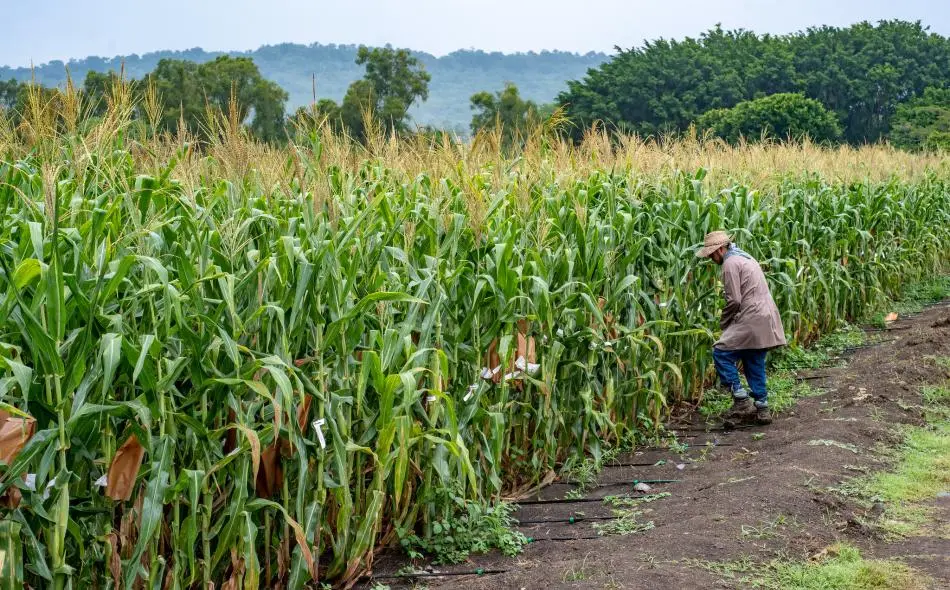
Mexico's Struggle for Food Sovereignty Against U.S. Agribusiness
Mexico’s Struggle for Food Sovereignty Against U.S. Agribusiness. (Photo Internet reproduction)
One-stop reference
Company Intelligence
Every listed company in Latin America — financials, ownership and structure for 1,450+ companies across 26 exchanges, in one place.
Browse the directory →
RT
Ask Rio Times
17 years of Latin America reporting, on demand.
Open the full Ask Rio Times →

Instead, they will prioritize domestic production of non-GM white corn for human consumption, aiming to achieve self-sufficiency and reduce yellow corn imports.

Agriculture Secretary-designate Julio Berdegué Sacristán outlined a five-point corn policy.

He promised to enhance autonomy in white corn production and boost yellow corn cultivation to reduce dependency on imports.

This policy also supports the preservation of native maize varieties and the welfare of rural communities. However, the looming legal confrontation with the U.S. poses a significant threat.

Ana de Ita, director of the Center for Studies for Change in the Mexican Countryside, suggests that Mexico’s legal position against GM corn is precarious.

This is particularly concerning given the powerful interests at play in Washington. In 2023, corn imports from the U.S. continued to rise, reaching nearly 19.2 million tons.

This surge aligns with the Apecic agreement, initiated by President López Obrador to combat inflation by allowing major businesses to import food without tariffs.

This has raised concerns about the erosion of local agriculture and the potential for Mexico to face retaliatory tariffs if it loses the dispute under the USMCA trade agreement.

Navigating Agricultural Tensions

Despite these challenges, the Mexican government remains committed to shifting away from GM corn, driven by health and environmental considerations.

The planned policies reflect a broader goal of safeguarding national food security and supporting local farmers.

However, experts like De Ita criticize the government for not providing enough support to maize growers, particularly in Sinaloa, who face financial hardships.

In 2023 alone, U.S. corn exports to Mexico totaled approximately $5.3 billion, illustrating the high stakes of this agricultural tug-of-war.

As the USMCA panel prepares to rule on this matter in November, the outcome will significantly influence Mexico’s agricultural policies.

It will also impact the country’s quest for food sovereignty. This narrative showcases the tensions inherent in international trade and policy.

It also highlights the potential impacts on everyday citizens in Mexico, who rely heavily on maize as a staple food.

As the new government confronts these challenges, the decisions made will resonate through the country’s agricultural sectors. These choices will also affect millions beyond agriculture.

This article was produced by The Rio Times’ automated newsroom system. How we use AI · Report an error

Read More from The Rio Times

The Rio Times · Power Map
See who really holds power in Latin America
Click to open the Power Map

Rotate for Best Experience

This report is optimized for landscape viewing. Rotate your phone for the full experience.