Strategic Frontiers: India’s Comprehensive Response to China’s Border Advances
India has dramatically accelerated its infrastructure development along the 3,488-km Line of Actual Control (LAC) in response to China’s expansive border construction.
The India-China Border Roads Project (ICBR), now in its critical third phase, focuses on enhancing connectivity and military logistics in sensitive regions such as Ladakh and Arunachal Pradesh.
This is vital for India’s strategic defense posture. The project gained momentum following the 2020 Galwan Valley clash, which saw casualties on both sides.
This highlighted the urgency for a robust infrastructure to support troop mobility. India’s comprehensive infrastructure initiative has resulted in over 10,000 km of roads, 32 helipads, and 47 border outposts thus far.
The ongoing third phase includes constructing five significant roads in eastern Ladakh and continuing expansive development across Arunachal Pradesh.
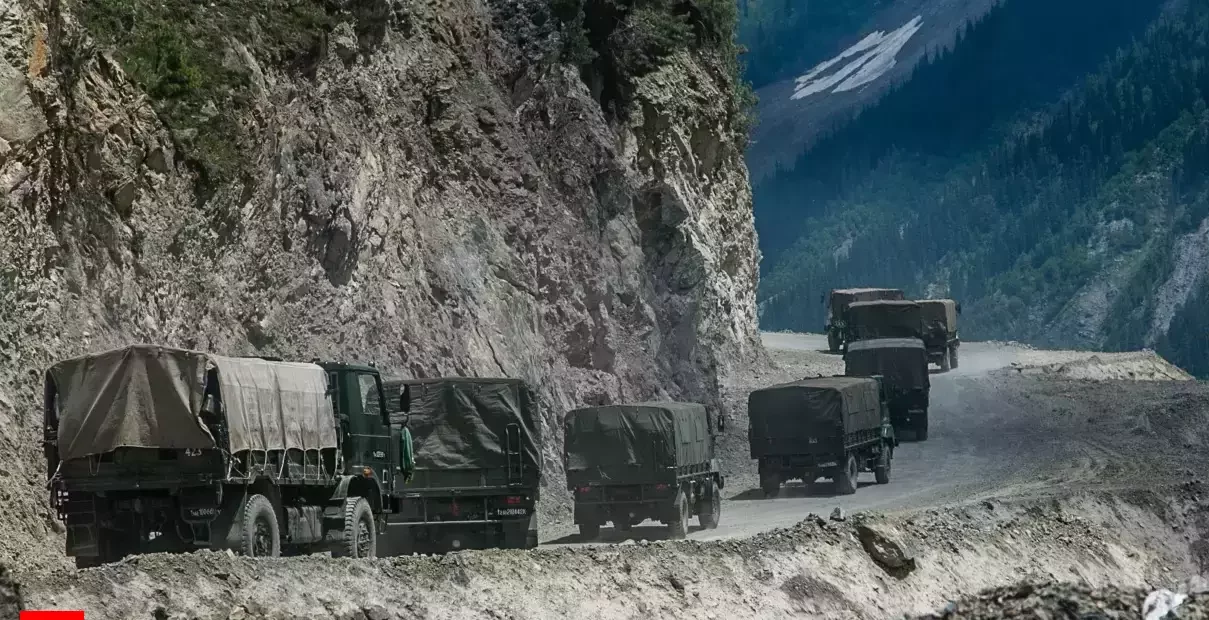
The recently completed Sela and Shinku La tunnels exemplify India’s dedication to ensuring year-round connectivity.
This is crucial for the rapid deployment of troops and logistical support across remote and challenging terrains.
These tunnels not only facilitate military movements but also promise to boost local economies by enhancing access and tourism.
Strategic Infrastructure Developments
On the other side, China has intensified its infrastructural enhancements in Tibet, constructing roads and dual-purpose facilities aimed at speeding up troop deployments during conflicts.
The establishment of over 600 well-off villages along the border also bolsters Chinese military readiness, further escalating the strategic stakes.
India’s infrastructure drive reflects a proactive strategy to bolster national security and maintain sovereignty against rising regional tensions.
This robust approach underlines the importance of infrastructure in national defense, serving as a critical element in the broader geopolitical chessboard of the Indo-Pacific.
India’s ongoing efforts to enhance road and tunnel networks demonstrate a commitment to maintaining a strategic advantage. This also ensures operational readiness amidst complex geopolitical challenges.
By strengthening these crucial links, India not only secures its borders but also affirms its stance as a resilient power in a dynamically evolving regional landscape.
This article was produced by The Rio Times’ automated newsroom system. How we use AI · Report an error
Read More from The Rio Times