Stellantis Brazil Investment Reaches US$5.9 Billion to 2030
Brazil · Companies
Key Facts
—Total commitment R$30 billion (~US$5.9 billion) for Brazil from 2025 to 2030, part of a broader €5.6 billion South American plan.
—Product offensive Funds more than 40 new vehicle launches across the Fiat, Jeep, Peugeot, Citroën, and RAM brands during the cycle.
—Core technology Centered on Bio-Hybrid systems that mate ethanol flex-fuel engines with electric motors, not purely battery-electric vehicles.
—Plant allocation R$14 billion for Betim (Minas Gerais), R$13 billion for Goiana (Pernambuco), and R$3 billion for Porto Real (Rio de Janeiro).
—Market position Stellantis held 31.4% of the Brazilian market with 686,000 units sold, making it the country’s clear automotive leader.
Stellantis Brazil investment totaling R$30 billion – roughly US$5.9 billion at current exchange rates – is reshaping the country’s automotive landscape through a six-year product and technology offensive that runs from 2025 to 2030.
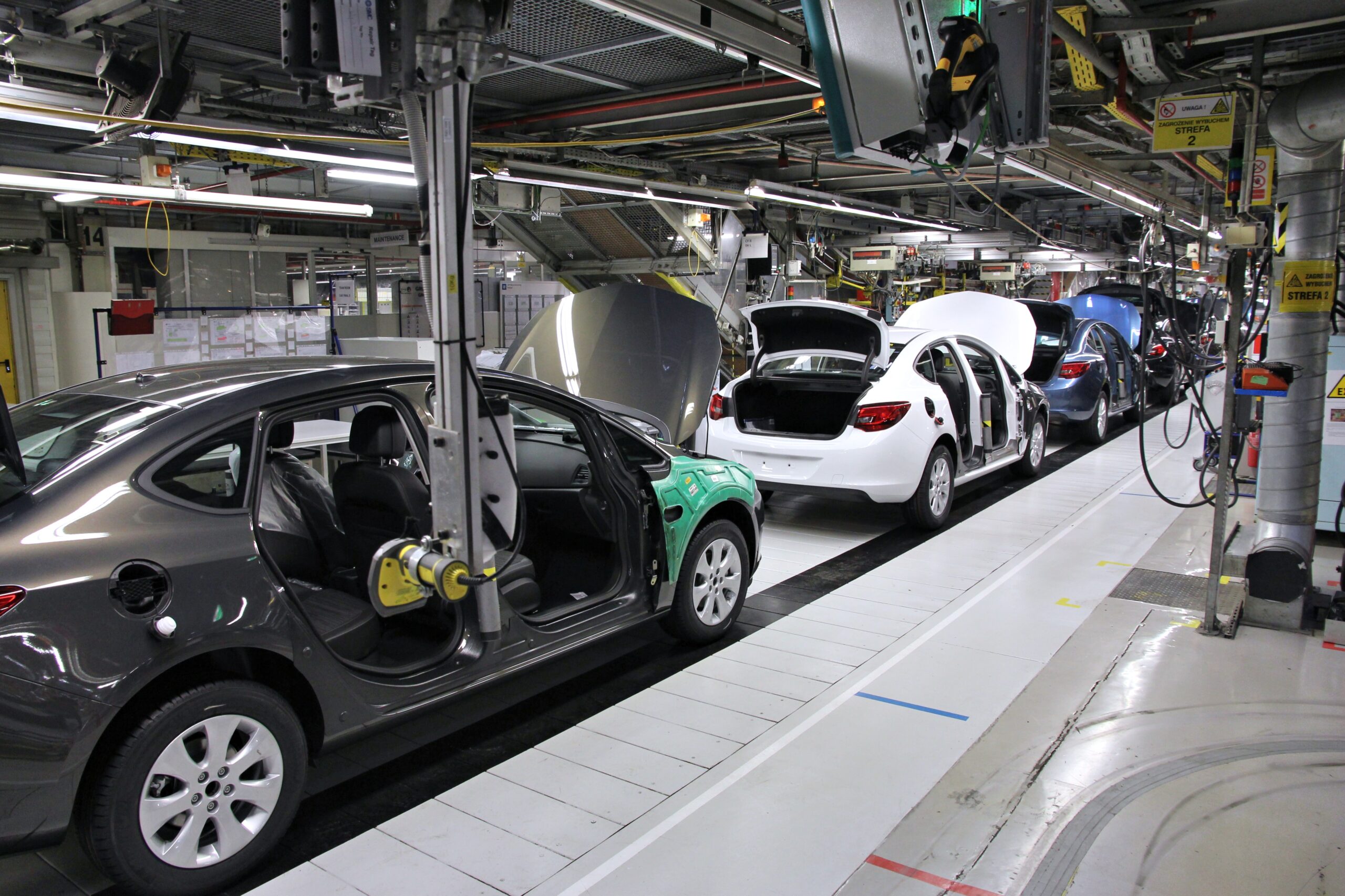
Inside the Stellantis Brazil Investment
For foreign investors and expats unfamiliar with the corporate structure, Stellantis is the multinational automotive group formed in 2021 through the merger of Fiat Chrysler Automobiles and France’s PSA Group. It controls a portfolio of storied brands including Fiat, Jeep, Peugeot, Citroën, and RAM, along with several others sold primarily in Europe and North America.
In Brazil, Stellantis is not merely a participant but the dominant force. The group commanded a 31.4% share of the Brazilian new-vehicle market, selling 686,000 units in its most recent reporting period.
Its South American market share stood at 23.5%, underscoring Brazil’s role as the anchor of the company’s regional strategy.
The company operates three major manufacturing hubs in Brazil: Betim in the state of Minas Gerais, Goiana in Pernambuco, and Porto Real in Rio de Janeiro state. These plants produce vehicles for domestic consumption and export across Latin America.
The US$5.9 Billion Figure: New Money or Existing Plan?
The R$30 billion (~US$5.9 billion) headline figure is not a standalone new announcement but rather the Brazil-specific breakdown of a previously disclosed multi-year cycle. In March 2024, Stellantis announced a €5.6 billion (R$30 billion) investment plan for South America spanning 2025 to 2030, which it called the largest investment in the region’s automotive history.
Subsequent state-level and plant-specific announcements throughout 2025 and 2026 have detailed how that overarching sum is being allocated. The R$30 billion Brazil slice breaks down into R$14 billion for the Betim complex, R$13 billion for the Goiana facility, and R$3 billion for Porto Real.
The late-July 2026 disclosures that generated fresh headlines are therefore components of this same cycle. Stellantis has been rolling out specifics on new models, powertrain development, and factory upgrades rather than unveiling an unrelated pool of capital.
What the Money Funds: Products, Plants, and Powertrains
The investment cycle is designed to deliver more than 40 new vehicle launches across Stellantis’s brand portfolio during the 2025-2030 window. These launches include both all-new models and major refreshes of existing nameplates sold under the Fiat, Jeep, Peugeot, Citroën, and RAM badges.
Plant modernization forms a significant portion of the spending. The Betim facility, one of the largest automotive plants in the Southern Hemisphere, will receive the largest share at R$14 billion.
The Goiana complex in northeastern Brazil gets R$13 billion, while the Porto Real plant is allocated R$3 billion for upgrades and retooling.
Engine and powertrain development is another core pillar. Stellantis is channeling funds into locally developed propulsion systems rather than importing technology from Europe or North America.
This localization strategy aims to protect margins in a price-sensitive market while building engineering capacity inside Brazil.
Bio-Hybrid Technology: Ethanol Meets Electrification
The technological centerpiece of the Stellantis Brazil investment is the Bio-Hybrid platform. Unlike the pure battery-electric vehicles being pushed in Europe and China, Bio-Hybrid systems pair a traditional ethanol-capable flex-fuel internal combustion engine with an electric motor and a small battery pack.
This approach exploits Brazil’s unique energy infrastructure. The country has a mature ethanol distribution network built over decades of flex-fuel vehicle dominance. By electrifying the flex-fuel powertrain rather than replacing it, Stellantis can reduce emissions without requiring the rapid buildout of charging infrastructure that full battery-electric vehicles demand.
The Bio-Hybrid strategy also aligns with Brazilian government incentives that treat ethanol as a renewable fuel. Stellantis has described the technology as a bridge to fuller decarbonization, though the company has not committed to a date for phasing out combustion engines in the Brazilian market.
Brazil’s Auto-Industry Context and Competitive Landscape
Brazil is the largest automotive market in Latin America and ranks among the top ten globally. The country’s vehicle fleet runs predominantly on ethanol and gasoline blends, with flex-fuel engines capable of running on any mixture of the two accounting for the vast majority of new-car sales.
The Brazilian government has structured its automotive industrial policy to encourage local manufacturing through the Mover program, which offers tax incentives for companies that invest in research, development, and production within the country. Stellantis’s multi-year commitment aligns with this framework and helps the company secure favorable treatment on vehicle taxation.
Competition is intensifying. Chinese automakers, particularly BYD and Great Wall Motors, have announced their own Brazilian factory investments and are targeting the electric and hybrid segments that Stellantis is now addressing with Bio-Hybrid technology.
Stellantis’s established dealer network, brand recognition, and manufacturing scale provide defensive advantages that newcomers will need years to replicate.
Jobs, Supply Chain, and Economic Ripple Effects
Stellantis has not published a single definitive headcount commitment tied to the R$30 billion cycle. Company statements emphasize product launches, technology development, and industrial localization rather than specific job-creation targets.
The investment is nonetheless expected to sustain tens of thousands of direct and indirect positions across the automotive supply chain in Minas Gerais, Pernambuco, and Rio de Janeiro states. Supplier parks adjacent to the Betim and Goiana plants depend on Stellantis production volumes for their own workforce stability.
State governments have competed aggressively for Stellantis investment allocations, offering tax breaks and infrastructure support. The distribution of funds across three states reflects both the company’s existing footprint and political negotiations with state-level authorities seeking to protect manufacturing jobs.
Connected Coverage
Related reporting from The Rio Times: Stellantis Bets 3 Billion Reais on Rio's Porto Real Auto Plant.
More: Brazil news in English, every day from The Rio Times.
Frequently Asked Questions
Is the US$5.9 billion Stellantis Brazil investment new money?
No. The R$30 billion (~US$5.9 billion) is the Brazil-specific portion of a €5.6 billion South American plan first announced in March 2024. Recent headlines reflect plant-by-plant breakdowns of that existing 2025-2030 cycle.
What is Stellantis’s Bio-Hybrid technology?
Bio-Hybrid is a propulsion system that pairs a traditional ethanol flex-fuel engine with an electric motor. It is designed for Brazil’s ethanol infrastructure and does not require external charging, unlike pure battery-electric vehicles.
Which Stellantis brands sell cars in Brazil?
Fiat is the volume leader, followed by Jeep. Peugeot and Citroën also maintain significant presences.
RAM sells larger pickup trucks, while premium brands from the Stellantis portfolio have a smaller footprint in the Brazilian market.
Sources: Stellantis.
This article was produced by The Rio Times’ automated newsroom system. How we use AI · Report an error · Editorial responsibility: Matthias Camenzind, Editor-in-Chief
LatAm Markets: Live Signals → — real-time movers, turnover leaders and FX across Latin America.
Brazil runoff, Sunday, October 25: Brazil runoff start time and results schedule. Latest: Brazil runoff polls, Flávio 51%, Lula 49%.
Read More from The Rio Times