South African Party Declares War on Broken Municipalities Before Vote
South Africa · POLITICS
Key Facts
- —The country South Africa (64.7 million people) is Africa’s most industrialised economy, with 2025 output of about US$427 billion (World Bank), close to Denmark’s. Its 257 municipalities run water, power and roads.
- —Why it matters Town and city councils, not the national government, deliver most tap water, electricity and refuse collection. Many are close to insolvent, so homes and firms often pay for generators, boreholes and private security.
- —Why now Every municipal council is elected on 4 November 2026. Parties are launching manifestos, and ActionSA, founded in 2020 by former Johannesburg mayor Herman Mashaba, unveiled its own.
- —What happened On Saturday 26 September 2026, Mashaba launched a nine-point manifesto at Johannesburg City Hall. He was “declaring war on broken municipalities” and promised reliable basic services.
- —The numbers Ratings Afrika, a credit analytics firm, puts the 2025 operating deficit of 128 municipalities at R39 billion (about US$2.4 billion). That is up from R35 billion (about US$2.1 billion).
- —What it means for you Anyone living, investing or running a business in South Africa depends on the local council for power, water and permits. Check a town’s service record before committing money there.
- —Still open Whether ActionSA wins enough seats to govern, and with whom. It rules out pre-election coalition deals and says any partnership must follow the results and a written programme.
A South African opposition party has promised to fix the failing town councils that leave millions without reliable water and power. The pledge comes five weeks before nationwide local elections.
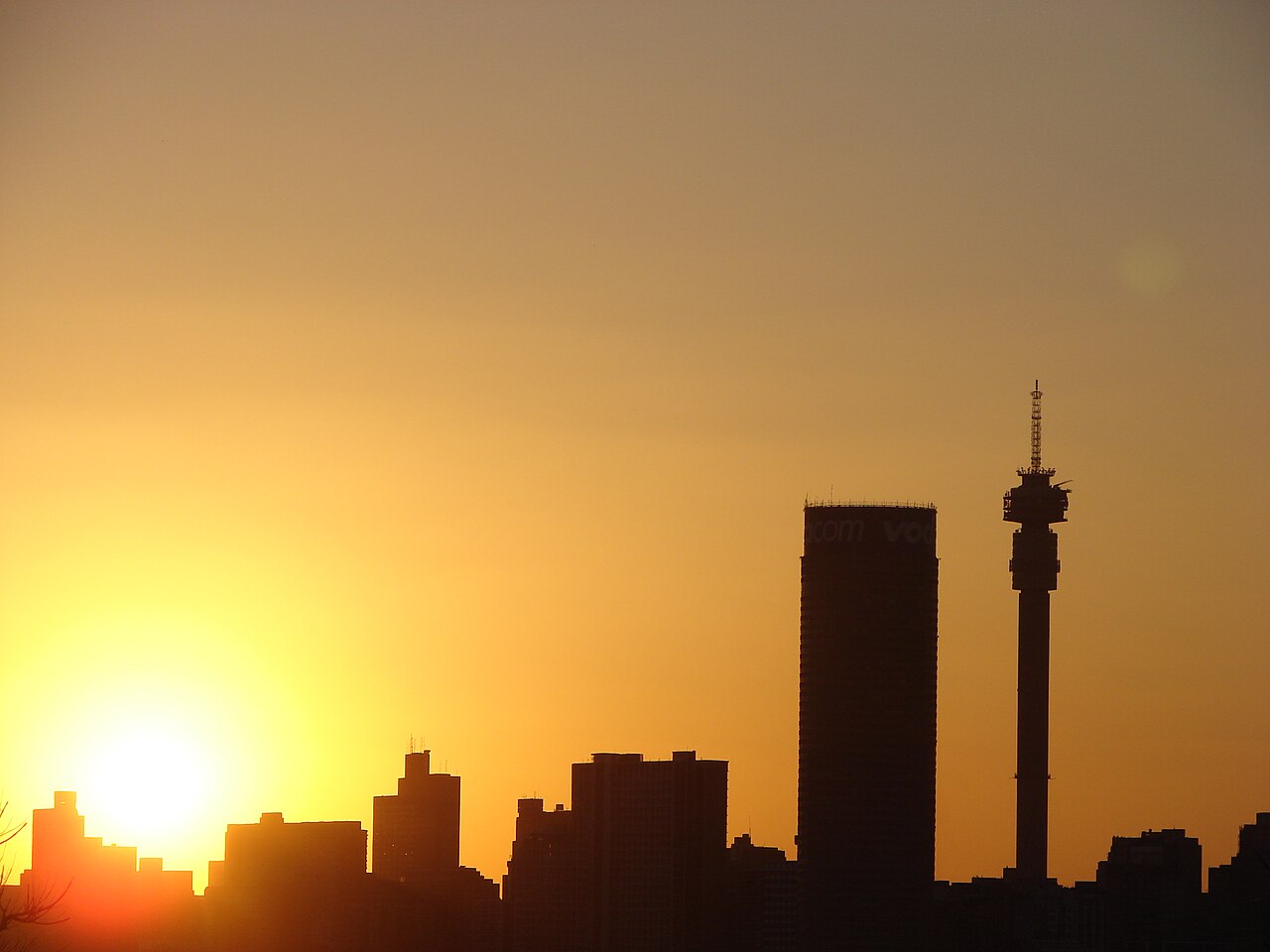
ActionSA, a South African party founded by former Johannesburg mayor Herman Mashaba, has declared war on broken municipalities. It launched its local election manifesto at Johannesburg City Hall on Saturday 26 September 2026.
South Africa’s 257 municipalities supply most water, electricity, roads and refuse services. Many are deep in debt, and all their councils face voters on 4 November 2026.
Who is ActionSA and what did it launch?
Mashaba, a businessman, ran Johannesburg from 2016 to 2019 and founded ActionSA in 2020. He now leads the party as president and is its candidate for Johannesburg mayor.
The party is outside the national coalition government in Pretoria. At local level, however, it already holds the mayoralty of Tshwane, the metro that includes the capital.
“Across South Africa, residents are witnessing their municipalities collapse around them,” Mashaba said in his speech. He said voters were “gatvol”, a South African slang word for fed up.
Mayoral candidates from several cities presented parts of the plan before Mashaba closed the event. The party published the text of his speech the same day.
A nine-point plan for failing councils
The first pledge is basic services: clean tap water, steady electricity, maintained roads, working sewers and regular refuse collection. The second is financial discipline.
ActionSA promises fully funded budgets, less wasteful spending, fair tariffs and better metering and billing. It says residents should be charged accurately for what they actually receive.
Further points cover merit-based appointments, transparent tenders and protection for whistle-blowers. The party also promises more municipal law-enforcement officers and stronger municipal courts.
For business, it pledges less red tape and clear turnaround times for municipal approvals. It also promises to restore run-down city centres and tackle hijacked buildings.
The remaining points cover informal settlements, public transport, illegal dumping and disaster readiness. ActionSA also says its councillors will scrutinise spending, whether in government, coalition or opposition.
The money behind broken municipalities
Independent data support the party’s diagnosis. In July, Ratings Afrika, a credit analytics firm, put the 2025 operating deficit of 128 municipalities at R39 billion (about US$2.4 billion).
That was up from R35 billion (about US$2.1 billion) a year earlier. The cumulative effect is a liquidity shortfall of R128.7 billion (about US$7.9 billion), meaning bills far exceed available cash.
The firm’s average financial sustainability score fell to 27 out of 100, from 31 in 2021. Rand figures here are converted at 16.30 rand per US dollar (open.er-api.com, 26 September 2026).
The Auditor-General of South Africa, the state’s independent auditor, paints a similar picture. Its 2024-25 report on municipal audits covers four financial years from 2021-22.
Over that period, councils ran up R24.12 billion (about US$1.5 billion) in fruitless and wasteful expenditure. Irregular expenditure, meaning spending that broke procurement or other rules, reached R145.21 billion (about US$8.9 billion).
Of that irregular spending, R40.14 billion (about US$2.5 billion) came in 2024-25 alone. Unauthorised spending, beyond approved budgets, totalled R118.13 billion (about US$7.2 billion).
Treasury has already squeezed the worst offenders
In July, National Treasury, South Africa’s finance ministry, withheld the July 2026 equitable share from 69 municipalities. The equitable share is the main national grant that pays for basic services.
Treasury cited unfunded budgets, unchecked irregular spending and unpaid bills to Eskom, the state power utility, and to water boards. The affected councils included the metros of Johannesburg and Nelson Mandela Bay.
On 28 July, Finance Minister Enoch Godongwana said the money would be released to protect services. He stressed that the release was conditional and that the councils had not yet fixed their failings.
By that date, 20 of the 69 had received their full allocation and 21 a partial one. The remaining 28 had received nothing.
Coalitions will decide who runs the cities
In several big metros no party has held a majority since 2016, so coalition deals decide who governs. ActionSA says it will not enter pre-election pacts.
Mashaba said voters decide first, the programme comes second and political positions come last. Any coalition, he added, must have a clear programme and clear accountability.
Past coalitions in Johannesburg and elsewhere have collapsed repeatedly, with mayors replaced mid-term. That instability has itself slowed repairs to water and power networks.
What broken municipalities mean for business
For foreign investors, companies and residents, the municipal crisis is a direct cost. Unreliable water and power push firms towards generators, solar systems and boreholes.
Slow approvals delay building and property projects. ActionSA’s promise of fixed turnaround times would help, but only where it wins power or a strong coalition role.
The broader contest for capital across the continent is covered in Africa: The New Scramble. Reliable cities remain one of South Africa’s main selling points.
What to watch before 4 November
Other parties are launching their own manifestos in the coming weeks. Voters will compare ActionSA’s record in Tshwane with its promises for Johannesburg and other cities.
Treasury’s follow-up on the 69 councils will also shape the debate. The result on 4 November will show whether anger over services reshapes local politics.
Frequently Asked Questions
What is ActionSA?
ActionSA is a South African party founded in 2020 by Herman Mashaba, a businessman and former Johannesburg mayor (2016 to 2019). It sits outside the national coalition government but holds the mayoralty of Tshwane, the metro around Pretoria.
What does the ActionSA manifesto promise?
The nine-point plan promises reliable water, electricity, roads, sewage and refuse services. It also pledges funded budgets, merit-based hiring, transparent tenders, whistle-blower protection, more law-enforcement officers and faster business approvals.
How bad are South Africa’s municipal finances?
Ratings Afrika puts the 2025 operating deficit of 128 municipalities at R39 billion (about US$2.4 billion). The Auditor-General’s 2024-25 report found R145.21 billion (about US$8.9 billion) in irregular municipal spending since 2021-22.
When are South Africa’s local elections?
South Africans elect all municipal councils on Wednesday 4 November 2026. ActionSA launched its manifesto in Johannesburg on 26 September, about five weeks before the vote.
Connected Coverage
Sources
This article was produced by The Rio Times’ automated newsroom system. How we use AI · Report an error
Read More from The Rio Times