Who Dominates South Africa, Elites and Regions Explained

GUIDES · SOUTH AFRICA
Key Facts
- —The country South Africa, 62.0 million people at the 2022 census, governed since 2024 by a multi-party Government of National Unity under President Cyril Ramaphosa.
- —Who is who Black South Africans were 81.4 percent of the population in 2022, coloured 8.2 percent, white 7.3 percent and Indian or Asian 2.7 percent (Stats SA).
- —Jobs Official unemployment was 33.6 percent in the second quarter of 2026, and 47.4 percent for people aged 15 to 34 (Stats SA, released 11 August 2026).
- —Inequality The World Bank puts the Gini index at 54.1 for 2022, down from 59.6 in 2014. Zero would mean perfect equality.
- —Next test Elections for all municipal councils on Wednesday, 4 November 2026, proclaimed on 7 August 2026.
- —Prediction markets Polymarket gives Helen Zille a 64% chance of becoming the next mayor of Johannesburg (12 October, 10:38 a.m. ET).
Who really runs South Africa: the coalition in Pretoria, the families and firms in Johannesburg and Stellenbosch, the provinces that swing elections, and the millions still outside the system.
South Africa power no longer sits with one party. Since 2024 a weakened African National Congress has shared it with coalition partners.
Big business, the provinces and older institutions hold the rest.
For a US reader this matters in three ways. South Africa hosts many US companies and trades with the United States under the AGOA duty-free scheme.
Its relations with Washington are tense. Knowing who holds influence explains why policy moves slowly and where the pressure points lie.
How South Africa Power Works After 2024
South Africa is a parliamentary republic. Voters elect the National Assembly, and the Assembly elects the president, who is both head of state and head of government.
The African National Congress (ANC), the movement of Nelson Mandela, governed alone from 1994 until 2024. After the May 2024 election it no longer held a majority.
It then formed the Government of National Unity (GNU) with rival parties.
The GNU includes the ANC and the pro-market Democratic Alliance (DA). Other members include the Zulu-rooted Inkatha Freedom Party (IFP), the Patriotic Alliance (PA) and the small Muslim party Al Jama-ah.
Laws and budgets now need bargaining between partners who compete fiercely at election time.
That makes South Africa power more spread out than at any time since apartheid ended. It also makes it more fragile, because each partner can threaten to walk out when its voters are unhappy.
The Political Elite and the Coalition
At the top sits President Cyril Ramaphosa, a former trade union leader and businessman who leads the ANC. His position depends on holding both his own party and the coalition together.
Pressure on him has not gone away. In April 2026 the African Transformation Movement, a small opposition party, asked for impeachment proceedings to be revived.
Its request to Speaker Thoko Didiza concerned the Phala Phala affair, linked to his game farm, SABC News reported. The request followed a new report by IPID, the police oversight body.
The matter remains an allegation, not a finding against him.
The DA is the second force in the coalition. It is a liberal, pro-market party whose base is the Western Cape.
It is now led by Geordin Hill-Lewis.
Outside the coalition, the main challenger is the uMkhonto weSizwe Party (MK) of former president Jacob Zuma. The other is the Economic Freedom Fighters (EFF), a left-wing party led by Julius Malema.
Smaller parties have real bargaining power in a hung system. Velenkosini Hlabisa, the IFP leader, serves as Minister of Cooperative Governance and Traditional Affairs, the department that oversees municipalities and traditional leadership.
Old Money and New Money in Business
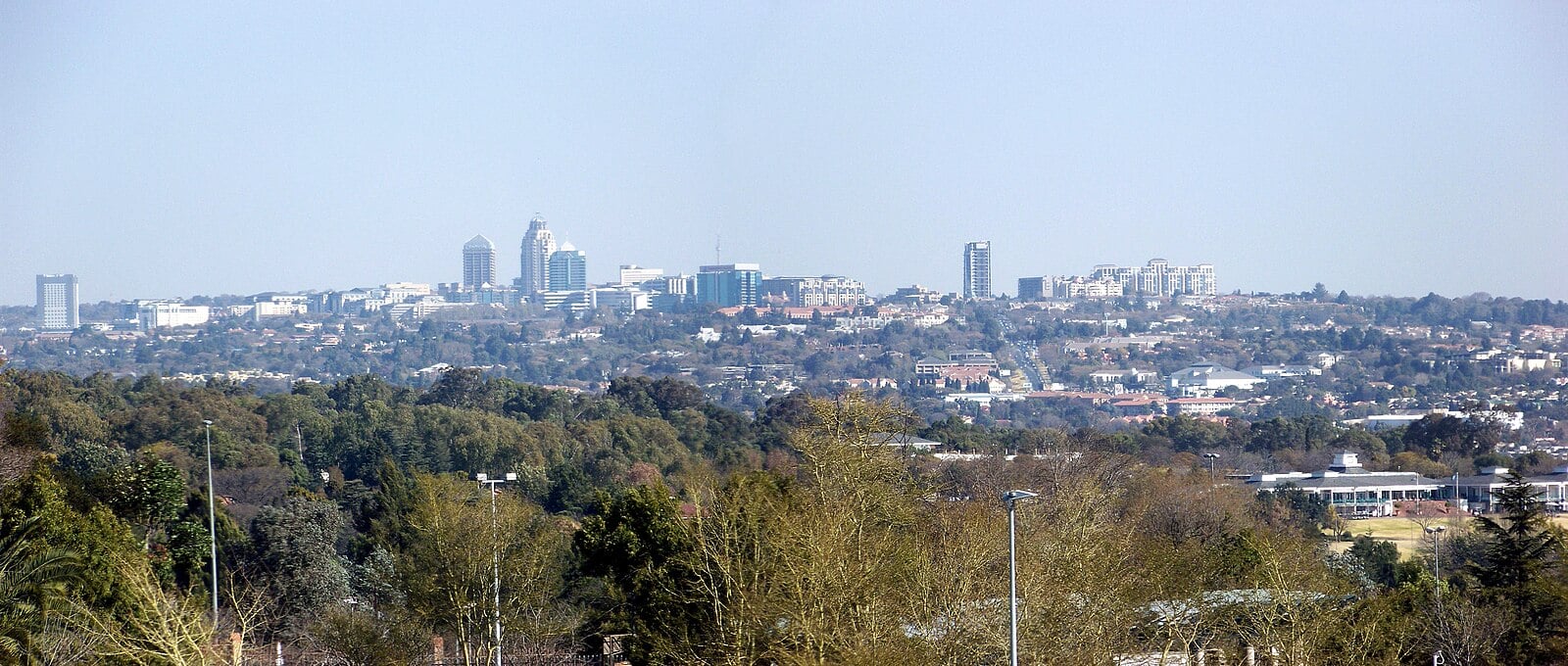
Business is the second pillar of South Africa power. A small number of listed groups and families hold large stakes in mining, banking, retail and media.
The best-known old fortune is the Rupert family. Johann Rupert, who studied at Stellenbosch University, chairs the investment group Remgro, whose board he joined in 2000.
He also chairs the Swiss luxury group Richemont and Reinet Investments, according to Remgro.
Newer Black wealth grew mainly after 1994. Black Economic Empowerment rules push companies to bring in Black owners, managers and suppliers.
The most prominent figure is Patrice Motsepe, who founded African Rainbow Minerals (ARM) and is its executive chairman, according to the company.
Mr Motsepe’s reach goes beyond mining. He was elected president of the Confederation of African Football (CAF) in March 2021.
By then he had been president of the football club Mamelodi Sundowns for almost two decades, CAF says.
Business influence works mostly through investment, finance and jobs rather than party politics. Governments of every stripe need private capital to grow an economy with high unemployment.
Regions and Provinces That Carry Weight
South Africa has nine provinces, and two of them hold most of the people and money. Gauteng, around Johannesburg and Pretoria, had 15 million residents in 2022, and KwaZulu-Natal had 12.4 million, according to the census.
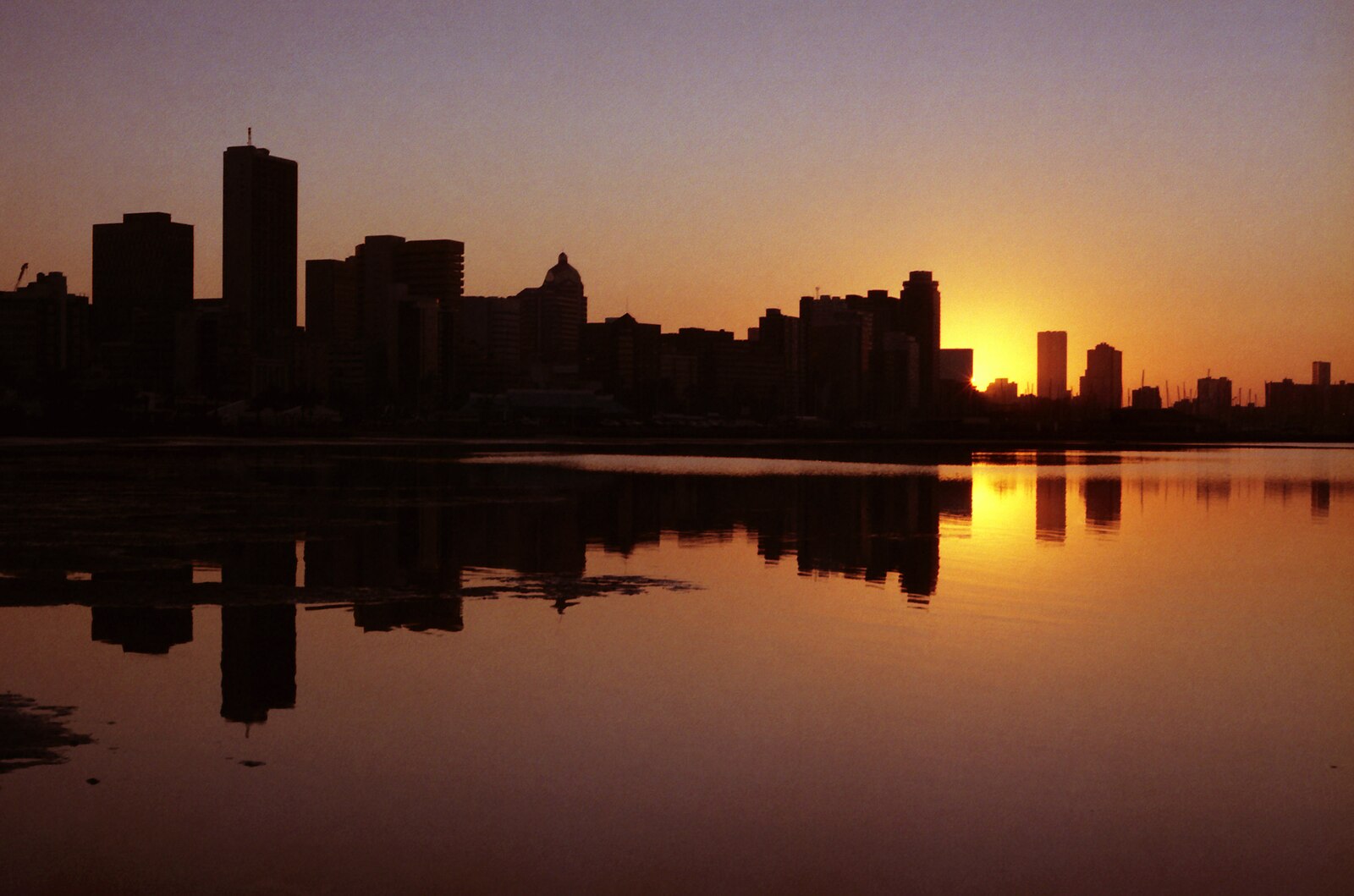
Gauteng is the economic engine and the political prize. Its metros, Johannesburg, Tshwane (Pretoria) and Ekurhuleni, are among the main prizes in the 4 November 2026 local elections.
The Western Cape, around Cape Town, is the DA’s political base. The party presents its record there as its main argument to voters elsewhere.
KwaZulu-Natal is the most volatile. Its legislature was split 40 seats to 40 in January 2026, the DA’s provincial leader told SABC News.
Premier Thami Ntuli leads a fragile multi-party government.
Language, Ethnicity and Identity in Politics
In the 2022 census, 24.4 percent of people spoke isiZulu most often at home. isiXhosa followed at 16.3 percent, Afrikaans at 10.6 percent and English at 8.7 percent.
Language maps closely onto region. Four in five people in KwaZulu-Natal speak isiZulu, and four in five in the Eastern Cape speak isiXhosa.
In the Western Cape two in five speak Afrikaans, Stats SA reports.
Parties try to appeal across groups, but regional and language loyalties still shape where each party is strongest. That is why provincial results often differ sharply from the national picture.
The population is also ageing unevenly. The median age of Black South Africans was 27 in 2022, against 45 for white South Africans.
The young electorate is overwhelmingly Black.
Traditional Leaders, Churches and Unions
Traditional leaders still matter, especially in the former homelands. In KwaZulu-Natal, the Ingonyama Trust administers traditional land linked to the Zulu monarchy.
In March 2026 the Pietermaritzburg High Court overturned a minister’s decision to dissolve the trust’s board, SABC News reported.
Religion is a quieter but real source of influence. In the 2022 census, 85.3 percent of South Africans said they were Christian.
Another 7.8 percent follow traditional African religion and 1.6 percent are Muslim.
The Zion Christian Church (ZCC), an African-initiated church, holds an Easter pilgrimage at Moria in Limpopo that draws senior politicians. President Ramaphosa attended the pilgrimage again in April 2026, EWN reported.
Trade unions were once kingmakers. The Congress of South African Trade Unions (COSATU) is a formal ally of the ANC and the South African Communist Party.
Its national congress collapsed in September 2026 amid divisions between those two allies, Daily Maverick reported. Delegates reconvened on 12 October 2026 to elect new leaders, SABC News reported.
The Military and Police
The South African National Defence Force (SANDF) is under civilian control. General Rudzani Maphwanya is its chief, and Angie Motshekga is the defence minister.
The army is increasingly called in to back the police. In October 2026 soldiers were deployed to central Durban after violent protests, SABC News reported.
Crowds had demanded the removal of undocumented foreign nationals.
KwaZulu-Natal Premier Thami Ntuli had asked for the deployment after police were outnumbered, and 19 people had been arrested by 10 October. Police and soldiers were also sent to Soweto after a similar protest, EWN reported.
Policing, not the army, is the main security question for most South Africans. Crime shapes how safe people feel and which parties they trust.
Inequality and Who Is Left Out
Inequality has eased but remains very high. The World Bank puts South Africa’s Gini index at 54.1 in 2022, down from 59.6 in 2014.
Work is the sharpest divide. Stats SA counted 8.5 million unemployed people in the second quarter of 2026, an official rate of 33.6 percent.
Among people aged 15 to 34, the rate was 47.4 percent.
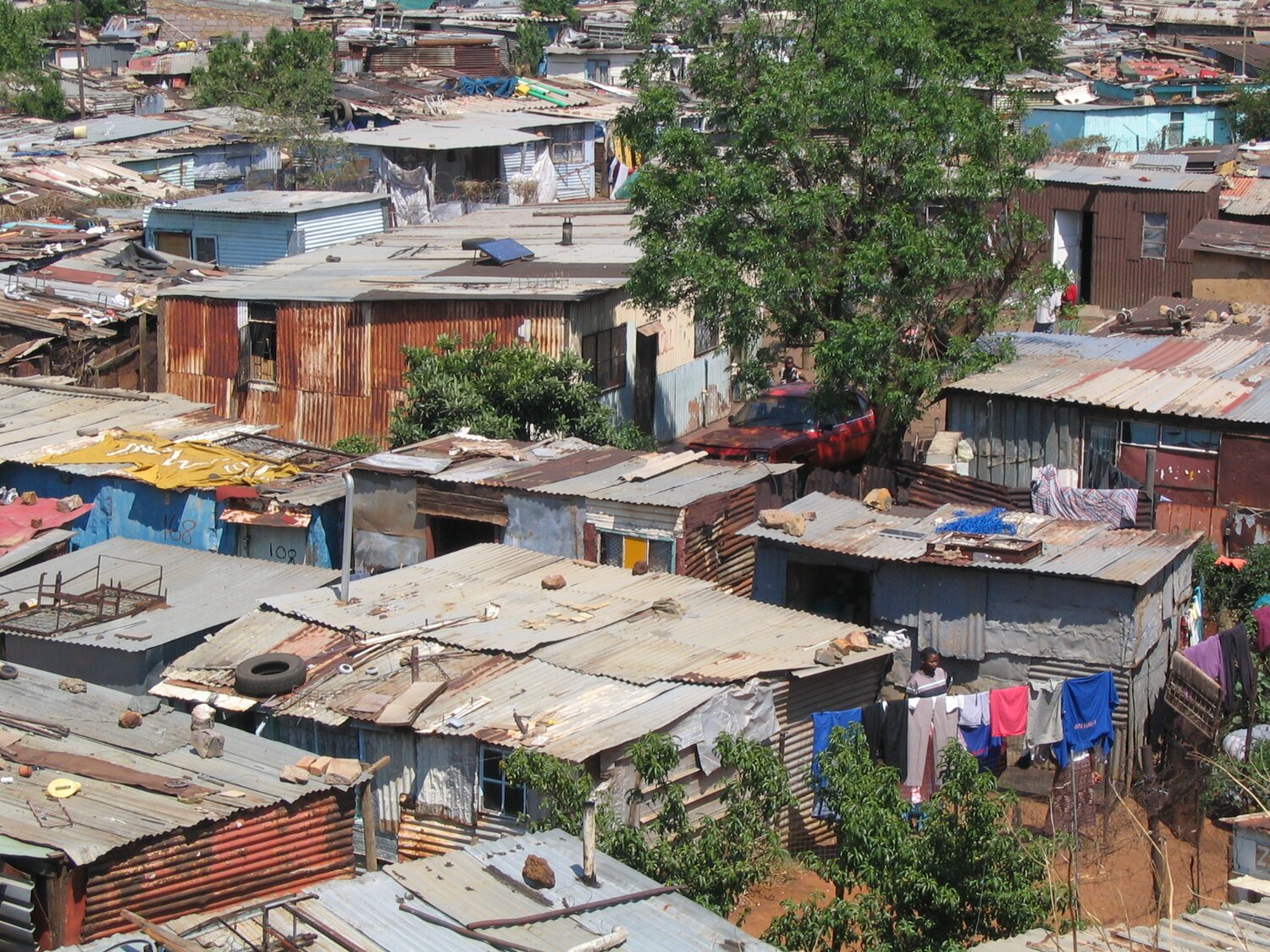
The people most often left out live in townships, informal settlements and the former homelands. Young people there face the longest odds of finding work.
Migrants from elsewhere in Africa sit at the very bottom of the system. They are frequent targets in protests over jobs and housing, as the October 2026 unrest in Durban showed.
What It Means for US Readers
For investors, the coalition era means slower but more negotiated policy. Watch the 4 November 2026 local elections and the strength of the GNU.
Also watch US trade talks, especially on duty-free access under AGOA.
For travellers, the main risks are crime and occasional unrest in city centres, as Durban showed in October 2026. Check the US State Department’s travel advisory and avoid protests.
For expats and business people, influence in South Africa runs through relationships. Provinces, metros, business associations and traditional authorities can matter as much as ministers in Pretoria.
Connected Coverage
South Africa Politics Explained, Who Holds Power in 2026
Who Runs South Africa’s Economy, Key Players 2026
South Africa Population and Ethnic Groups Explained
Foreign Powers and Investors in South Africa 2026
South Africa Municipal Elections 2026 Test ANC Grip as Johannesburg Coalition Fears Grow
What Prediction Markets Say
Bets on Polymarket focus on the mayoral races in the 4 November 2026 local elections. These are bets, not polls, and they move with money rather than with surveys.
The market on the next mayor of Johannesburg has traded about US$124,000 in total volume. Helen Zille, the DA’s mayoral candidate and a former party leader, stood at 64 percent on 12 October at 10:38 a.m. ET.
No other named candidate was above about 13 percent. The Durban (eThekwini) market is thinner, at about US$31,000 traded, with Haniff Hoosen leading at 34.5 percent.
Why we show this: prediction markets turn real-money bets into a live probability that moves within minutes of the news, which is why investors, campaigns and newsrooms in the United States now follow them closely. We show them next to polls and official results, never instead of them.
What Is Not Known
- How the 4 November 2026 local elections will change control of Johannesburg, Tshwane, Ekurhuleni and Durban, and whether the results will strain the GNU.
- Whether impeachment proceedings over Phala Phala will be revived, and on what timetable.
- Who will lead COSATU after its collapsed congress, and whether the union federation stays aligned with the ANC.
- How long soldiers will remain on the streets of Durban and other cities, and on what legal basis.
- Who will succeed Mr Ramaphosa as ANC leader at the party’s next national conference.
Frequently Asked Questions
Who holds the most power in South Africa?
President Cyril Ramaphosa leads the government and the ANC, but since 2024 he governs through a Government of National Unity with the DA, the IFP and other parties. Big business, the provinces and traditional leaders also hold real influence.
What is the Government of National Unity?
It is the coalition formed after the May 2024 election, when the ANC lost its majority. It includes the ANC, the Democratic Alliance, the Inkatha Freedom Party, the Patriotic Alliance and Al Jama-ah, among others.
What are the main population groups in South Africa?
At the 2022 census, Black South Africans were 81.4 percent of the population, coloured South Africans 8.2 percent, white South Africans 7.3 percent and Indian or Asian South Africans 2.7 percent.
How unequal is South Africa?
The World Bank puts its Gini index at 54.1 for 2022, down from 59.6 in 2014. Official unemployment was 33.6 percent in the second quarter of 2026, and 47.4 percent among people aged 15 to 34.
When are the next elections in South Africa?
Elections for all municipal councils are set for 4 November 2026. The date was proclaimed on 7 August 2026 by the Minister of Cooperative Governance and Traditional Affairs, Velenkosini Hlabisa.
Which provinces matter most in South Africa?
Gauteng, with 15 million people in 2022, is the economic centre. KwaZulu-Natal, with 12.4 million, is the most politically volatile, and the Western Cape is the base of the Democratic Alliance.
Sources: Statistics South Africa, Census 2022 statistical release; SAnews, Quarterly Labour Force Survey, second quarter 2026 and local government election date; World Bank, Gini index for South Africa; Remgro, board and senior management; African Rainbow Minerals, Patrice Motsepe profile; CAF, CAF president; SABC News, SANDF deployed in Durban CBD, GNU parties and the impeachment bid and KwaZulu-Natal coalition; defenceWeb, SANDF chief; SABC News, Defence Minister Angie Motshekga, DA Federal Leader Geordin Hill-Lewis, Ingonyama Trust ruling and COSATU congress; Daily Maverick, COSATU congress collapse; EWN, Soweto deployment, Zille mayoral bid and Ramaphosa at Moria. Accessed 12 October 2026.
Editorial responsibility: Matthias Camenzind, Editor-in-Chief · Editorial standards · Report an error
Expat Guide to South Africa
What The Rio Times publishes for foreigners who live in or move to South Africa.
Start here
- Moving to South Africa: Visa Route Decides Everything, 54,000 Applications Overdue at Home Affairs
- South Africa Residency Visa Requirements and How to Meet Them
- Opening a Bank Account in South Africa as a Foreigner
- Cost of Living in Johannesburg: Rent, Power and Water in 2026
City guides
Cape Town, Johannesburg, Durban
Coming up in South Africa
- Mamma Mia Montecasino Season Opens 16 October in Johannesburg, South Africa 16 Oct
- South Africa Hosts 9,000 Energy Delegates in Cape Town, 12-16 October 16 Oct
- Ne-Yo Sells Out Cape Town and Pretoria for 17 and 18 October 17 Oct
- Sjava 10 Year Celebration Tour Ends Sold Out in South Africa on 23 October 23 Oct
Understand South Africa