IBOV 185,146.69 ▼ 0.26% IPSA 11,289.90 ▼ 0.71% IPC MEX 64,814.97 ▼ 0.39% MERVAL 3,107,396 ▼ 0.09% COLCAP 2,580.41 ▼ 0.14% BVL PERÚ 60,702.89 ▼ 1.24% USD/BRL5.09▼ 0.40% USD/MXN16.96▲ 0.39% USD/CLP938.07▲ 1.12% USD/COP3,102▼ 0.47% USD/PEN3.36▲ 0.07% USD/ARS1,513▼ 0.05% USD/UYU40.24▲ 3.05% USD/PYG5,868▲ 2.26% USD/BOB12.36▲ 1.91% USD/DOP58.63▲ 0.22% USD/CRC447.58▲ 1.69% USD/GTQ7.63▲ 3.04% USD/HNL26.85▲ 0.57% USD/NIO36.62▲ 0.34% USD/VES825.67▼ 0.13% USD/PAB1.00— 0.00% USD/BZD2.00— 0.00% USD/JMD 157.28 — 0.00% USD/TTD6.73▲ 2.40% EUR/BRL5.92▲ 0.21% BRENT 88.88 ▼ 0.03% WTI 83.11 ▼ 0.11% IRON ORE 161.91 — — COPPER 6.61 ▲ 0.03% GOLD 4,461 ▲ 1.78% SILVER 65.59 ▲ 1.26% SOY 1,184 ▲ 3.20% CORN 480.50 ▲ 10.02% WHEAT 655.00 ▲ 3.93% COFFEE 317.25 ▼ 5.51% SUGAR 16.43 ▼ 1.79% ORANGE JUICE 138.55 ▼ 0.47% COTTON 85.03 ▲ 2.33% COCOA 5,719 ▲ 3.18% BEEF 223.60 ▼ 3.93% CATTLE 339.10 ▼ 3.16% LITHIUM 75.20 ▲ 1.47% PETR4 41.64 ▼ 0.05% VALE3 72.97 ▲ 0.83% ITUB4 38.60 ▼ 1.03% BBDC4 16.85 ▲ 0.36% ABEV3 14.89 ▼ 0.80% BBAS3 19.37 ▲ 0.47% B3SA3 14.26 ▼ 0.21% WEGE3 47.59 ▲ 0.49% PRIO3 59.14 ▼ 0.19% SUZB3 41.33 ▲ 2.35% RENT3 34.68 ▼ 0.09% AZZA3 15.89 ▼ 2.63% CSAN3 3.22 ▼ 1.83% RAIZ4 0.25 — 0.00% PCAR3 2.75 ▼ 0.36% GMAT3 3.65 ▼ 1.08% PSSA3 48.13 ▼ 0.54% CVCB3 1.33 ▼ 2.92% POSI3 3.36 ▲ 2.44% SLCE3 13.34 ▲ 0.30% NATU3 8.14 ▼ 0.73% IBOV 185,146.69 ▼ 0.26% IPSA 11,289.90 ▼ 0.71% IPC MEX 64,814.97 ▼ 0.39% MERVAL 3,107,396 ▼ 0.09% COLCAP 2,580.41 ▼ 0.14% BVL PERÚ 60,702.89 ▼ 1.24% USD/BRL 5.16 ▲ 0.01% USD/MXN 17.06 ▼ 0.24% USD/CLP 913.98 ▲ 0.04% USD/COP 3,140 ▲ 0.03% USD/PEN 3.36 ▼ 0.66% USD/ARS 1,493 ▲ 0.10% USD/UYU 40.27 ▲ 1.24% USD/PYG 5,939 ▲ 1.68% USD/BOB 11.64 ▼ 0.76% USD/DOP 58.34 ▲ 1.25% USD/CRC 445.92 ▲ 0.89% USD/GTQ 7.62 ▲ 2.21% USD/HNL 26.79 ▲ 1.57% USD/NIO 36.62 ▲ 0.69% USD/VES 762.44 ▼ 0.13% USD/PAB 1.00 — 0.00% USD/BZD 2.00 — 0.00% USD/JMD 157.28 — 0.00% USD/TTD 6.70 ▲ 0.61% EUR/BRL 5.95 ▲ 1.01% BRENT 88.88 ▼ 0.03% WTI 83.11 ▼ 0.11% IRON ORE 161.91 — — COPPER 6.61 ▲ 0.03% GOLD 4,461 ▲ 1.78% SILVER 65.59 ▲ 1.26% SOY 1,184 ▲ 3.20% CORN 480.50 ▲ 10.02% WHEAT 655.00 ▲ 3.93% COFFEE 317.25 ▼ 5.51% SUGAR 16.43 ▼ 1.79% ORANGE JUICE 138.55 ▼ 0.47% COTTON 85.03 ▲ 2.33% COCOA 5,719 ▲ 3.18% BEEF 223.60 ▼ 3.93% CATTLE 339.10 ▼ 3.16% LITHIUM 75.20 ▲ 1.47% PETR4 41.64 ▼ 0.05% VALE3 72.97 ▲ 0.83% ITUB4 38.60 ▼ 1.03% BBDC4 16.85 ▲ 0.36% ABEV3 14.89 ▼ 0.80% BBAS3 19.37 ▲ 0.47% B3SA3 14.26 ▼ 0.21% WEGE3 47.59 ▲ 0.49% PRIO3 59.14 ▼ 0.19% SUZB3 41.33 ▲ 2.35% RENT3 34.68 ▼ 0.09% AZZA3 15.89 ▼ 2.63% CSAN3 3.22 ▼ 1.83% RAIZ4 0.25 — 0.00% PCAR3 2.75 ▼ 0.36% GMAT3 3.65 ▼ 1.08% PSSA3 48.13 ▼ 0.54% CVCB3 1.33 ▼ 2.92% POSI3 3.36 ▲ 2.44% SLCE3 13.34 ▲ 0.30% NATU3 8.14 ▼ 0.73%
since 2009
Thursday, September 10, 2026

Crypto Nigeria

Sharia Law’s Expansion into Christian Regions: A Risky Move for the Philippines

By · November 26, 2024 · 2 min read

The LatAm Brief

One email, every weekday morning. What moved in Latin American markets, politics and expat life.

Yesterday’s subject line: “YPF sells US$1.2bn bond, Argentina's biggest since 2015”

Free. We send a confirmation link first — nothing arrives until you click it. Unsubscribe with one click in any edition. If you stop opening us for 30 days we stop sending by ourselves, as we assume the interest is no longer there. See our privacy policy. We never share your email.

(Opinion) In August 2024, President Ferdinand Marcos Jr. signed new legislation expanding sharia law into predominantly Christian regions of the Philippines.

This move has raised significant concerns among Christian leaders and missionaries, as it establishes three new sharia judicial districts and twelve circuit courts in areas where Christians form the majority.

The Philippines is a nation where approximately 90% of the population practices Christianity, while Muslims constitute about 10%. The core issue here isn’t about religious freedom—Muslims already practice their faith freely without persecution.

Instead, the concern lies in the extension of Islamic law into Christian-majority areas, which could have far-reaching implications for the country’s social and legal fabric.
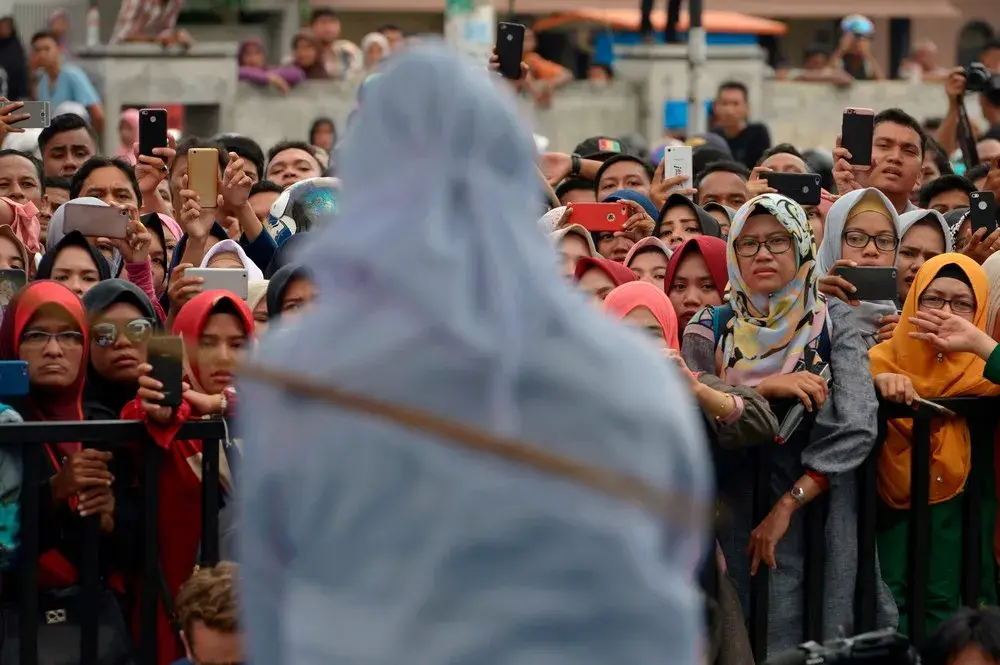
Sharia Law's Expansion into Christian Regions: A Risky Move for the Philippines.
Sharia Law’s Expansion into Christian Regions: A Risky Move for the Philippines.
One-stop reference
Company Intelligence
Every listed company in Latin America — financials, ownership and structure for 1,450+ companies across 26 exchanges, in one place.
Browse the directory →
RT
Ask Rio Times
17 years of Latin America reporting, on demand.
Open the full Ask Rio Times →

One primary concern is the historical context of how Christian minorities are treated in Muslim-majority countries. In places like Afghanistan, Pakistan, Palestinean territories and Nigeria, Christians have faced severe persecution, including systemic discrimination, targeted violence, and, in many cases, outright executions.

Introducing sharia courts into Christian-majority regions of the Philippines risks setting a precedent that may undermine the rights of the Christian majority, potentially leading to social tension and conflict.

Security issues cannot be ignored either. The presence of ISIS-affiliated groups and the historical push by the Moro Islamic Liberation Front for an Islamic state highlight the risks of empowering radical elements.

Expanding sharia law might inadvertently strengthen these groups by providing them with greater influence and legitimacy within the country’s legal system.

Sharia Law’s Expansion into Christian Regions: A Risky Move for the Philippines

Legally, establishing parallel judicial systems raises questions about equal treatment under the law. Creating separate courts based on religious affiliation can lead to inconsistencies and a fragmented legal framework.

It could also set a precedent for further expansion of religious-based legal systems, complicating the nation’s commitment to a unified legal code.

The Fading Light: Christianity’s Struggle in its Middle Eastern Birthplace

The crucial question isn’t about religious tolerance but about the wisdom of extending a separate legal system—one that has historically restricted Christian rights in other countries—into a predominantly Christian nation.

While supporting minority rights is essential, it’s imperative to consider the long-term consequences this expansion might have on the Philippines’ social cohesion and the rights of its majority population.

This development deserves serious attention from both policymakers and citizens. It’s not merely a matter of theoretical discussions about religious coexistence but a practical concern with significant implications.

The expansion of sharia law in the Philippines could lead to unintended repercussions that may affect the nation’s unity and the fundamental principles of equal justice under the law.

This article was produced by The Rio Times’ automated newsroom system. How we use AI · Report an error

Read More from The Rio Times

The Rio Times · Power Map
See who really holds power in Latin America
Click to open the Power Map

Rotate for Best Experience

This report is optimized for landscape viewing. Rotate your phone for the full experience.