On December 8th, millions of Buddhists worldwide celebrate Bodhi Day, marking Siddhartha Gautama’s enlightenment. This event, which occurred around 596 BCE, laid the foundation for Buddhism. Gautama’s journey from prince to spiritual leader resonates with many seeking meaning in their lives.
The celebration of Bodhi Day varies across cultures. Japanese Buddhists observe it on December 8th, while other East Asian countries follow the lunar calendar. Some traditions combine this celebration with other significant events in Buddha’s life.
Bodhi Day practices reflect diverse cultural influences. Japanese Zen Buddhists often engage in week-long meditation retreats. In China, the holiday merged with the existing Laba Festival, leading to unique customs like eating vegetarian congee. Common themes include lighting lamps and decorating trees, symbolizing the triumph of wisdom over ignorance.
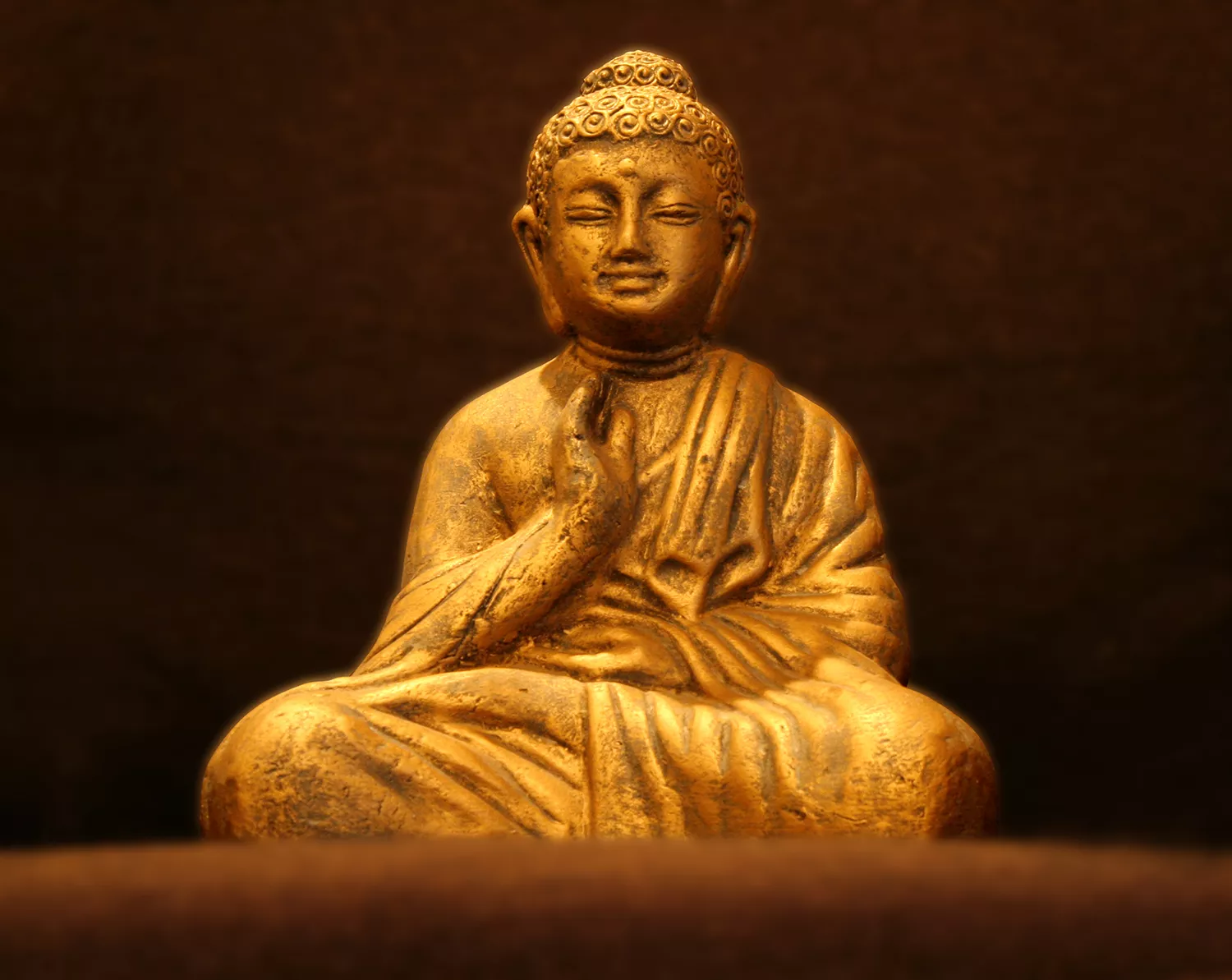
The holiday’s core message extends beyond religious boundaries. It speaks to the human potential for growth and understanding. Buddha’s teachings, born from his enlightenment, offer practical wisdom for navigating life’s challenges. The Four Noble Truths and the Eightfold Path provide a framework for addressing suffering and finding contentment.
In today’s fast-paced world, Bodhi Day serves as a reminder to pause and reflect. It encourages individuals to take responsibility for their own spiritual growth. This aligns with ideals of personal freedom and self-reliance. The holiday promotes introspection without imposing rigid doctrines.
Beyond Religion: Bodhi Day’s Practical Message for Today
Bodhi Day’s significance has grown beyond religious circles. Many businesses now recognize the value of mindfulness practices. Meditation programs in corporate settings aim to improve employee well-being and productivity. This trend highlights the practical applications of Buddhist principles in modern life.
The holiday also reflects broader societal shifts towards wellness and self-improvement. A growing market for meditation apps, retreats, and related products has emerged. This commercialization sparks debate about balancing tradition with accessibility.
Bodhi Day’s enduring appeal lies in its universal message. It speaks to the human desire for understanding and inner peace. As people face complex challenges, this ancient holiday offers timeless wisdom. It reminds us that personal growth and enlightenment remain possible for everyone.
This article was produced by The Rio Times’ automated newsroom system. How we use AI · Report an error · Editorial responsibility: Matthias Camenzind, Editor-in-Chief