Santiago to Host World’s 50 Best Vineyards 2026 for the First Time
Wine Tourism
Key Facts
—Host City. Santiago de Chile will stage the ceremony for the first time.
—Timing. The event takes place during the week of 16 November 2026.
—Partners. The Government of Santiago, its Regional Corporation, and Grupo Liderazgo are backing the event.
—Wine Valleys Nearby. Maipo, Casablanca, Colchagua, Aconcagua, Maule, and Cachapoal are all within reach of the capital.
—Cross-Border Link. The event strengthens the trans-Andean wine circuit connecting Santiago with Mendoza, Argentina.
The World’s 50 Best Vineyards 2026 will be hosted in Santiago de Chile, marking the first time the prestigious wine-tourism ranking ceremony lands in the country and putting Chile’s central valleys firmly on the global stage.
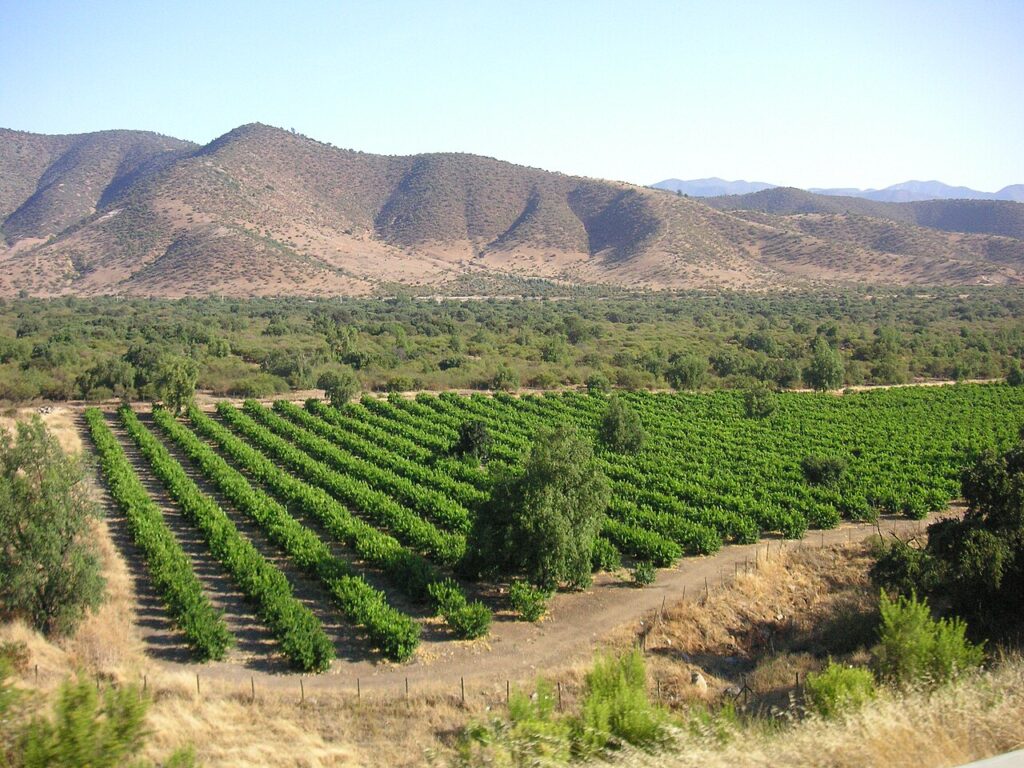
A First for Chile and for Santiago
The World’s 50 Best Vineyards will hold its 2026 awards ceremony in Santiago during the week of 16 November. The organisers confirmed the choice in partnership with the Government of Santiago, its Regional Corporation, and Grupo Liderazgo.
No specific venue has been named yet. But the decision alone signals a major shift in how the global wine-tourism industry sees Chile — not just as a producer of excellent bottles, but as a destination worth gathering in.
The ranking, which highlights vineyard experiences rather than just wine quality, has previously been held in places like Rioja and Margaret River. Bringing it to Santiago gives the Chilean capital a rare chance to host an event that draws winemakers, travel buyers, and international media.
Why the World’s 50 Best Vineyards 2026 Matters for Wine Tourism
Wine tourism has become a serious economic driver across Latin America. The World’s 50 Best Vineyards 2026 ceremony acts as a multiplier — it focuses global attention on a host region and sends visitors home as ambassadors.
For Chile, the timing is strong. The country already clusters many of its best-known wine valleys within a few hours of Santiago. Maipo, Casablanca, Colchagua, Aconcagua, Maule, and Cachapoal are all accessible from the capital.
Delegates who fly in for the ceremony can easily extend their stay. They can visit VIK in Cachapoal, which has drawn international attention for its high-profile design and wines, or explore the cool-climate whites of Casablanca without needing internal flights.
The Trans-Andean Wine Circuit: Santiago Meets Mendoza
One of the most compelling angles for investors and travel operators is the binational itinerary that this event reinforces. Mendoza, Argentina, and central Chile sit on opposite sides of the Andes but share a single wine-tourism logic.
The historic mountain passes — Uspallata, Portillo, and Los Patos — have long connected the two regions. Today, a traveller can pair Mendoza’s Malbec route with Chile’s Ruta del Vino in a single trip, using Santiago as the hub.
The World’s 50 Best Vineyards 2026 ceremony gives that circuit a global showcase. It is the kind of exposure that can shift booking patterns and encourage tour operators to build packages that treat the Andes not as a barrier but as the centrepiece.
What It Means for Investors and the Hospitality Sector
A high-profile international event of this kind tends to lift hotel occupancy, restaurant bookings, and transport demand in the host city. Santiago’s hospitality sector can expect a measurable bump in November 2026.
Beyond the immediate week, the legacy effect matters more. Vineyards that make the 1–50 list often see a sustained rise in visitor numbers and export interest. Chilean producers who feature in the ranking will gain a marketing asset that lasts for years.
For expats and foreign investors already looking at Chilean wine assets, the event adds a layer of international validation. It signals that the country’s wine-tourism infrastructure is mature enough to anchor a global gathering.
Chile’s Wine Valleys: A Quick Guide for Visitors
The valleys closest to Santiago each offer something distinct. Maipo, the historic heart of Chilean wine, is known for structured Cabernet Sauvignon and is barely an hour from the city centre.
Casablanca, nearer the coast, specialises in Sauvignon Blanc and Chardonnay. Colchagua, further south, has become a flagship for bold reds and high-end visitor experiences, while Cachapoal has gained international profile through properties like VIK.
Aconcagua and Maule round out the central picture. Together, these regions form a dense and varied wine landscape that few other capital cities can match for proximity and quality.
What to Watch Between Now and November 2026
The organisers have not yet released the specific venue or the full programme. Those details will shape the logistics and the final economic impact on Santiago.
Travel operators and hospitality groups will be watching closely. The event creates a clear window for new wine-route products, especially those that link Chile and Argentina across the Andes.
For now, the headline is simple: the world’s most influential vineyard ranking is coming to Chile for the first time, and Santiago will be the stage.
More: Morocco news in English, every day from The Rio Times.
Frequently Asked Questions
When and where will The World’s 50 Best Vineyards 2026 take place?
The ceremony will be held in Santiago de Chile during the week of 16 November 2026. The organisers have not yet announced the specific venue, but the event is being staged in partnership with the Government of Santiago, its Regional Corporation, and Grupo Liderazgo.
Which Chilean wine valleys can visitors reach from Santiago?
Several of Chile’s top wine regions sit within easy reach of the capital. Maipo, Casablanca, Colchagua, Aconcagua, Maule, and Cachapoal are all accessible by road, making Santiago a practical base for vineyard visits before or after the ceremony.
How does the event connect Chile and Argentina’s wine routes?
The ceremony reinforces the trans-Andean wine circuit that links Mendoza, Argentina, with central Chile. Travellers can combine both sides of the Andes in a single itinerary, using historic mountain passes such as Uspallata and Portillo, with Santiago serving as the gateway city.
This article was produced by The Rio Times’ automated newsroom system. How we use AI · Report an error
Read More from The Rio Times