
Prediction Markets: Israel
Key Facts
- Prediction markets. Kalshi, a US-regulated exchange: ex-army chief Gadi Eizenkot 13% to become prime minister, down 41 points in 24 hours. 5:30 a.m. ET, 28 Oct 2026.
- Stalemate bet. “No one” is now 59%, up 41 points; Prime Minister Benjamin Netanyahu is 27%.
- Count. With about 72% counted, parties backing Netanyahu hold 54 seats, his rivals 48; 61 are needed.
- Volume. Kalshi traded about 4.5 million contracts in 24 hours on this market, 6.9 million overall.
- Next. Soldiers’ ballots are still being counted; final results are due Friday 30 October.
Israel voted for change, and traders now bet it will not get a new leader soon.
Israel’s election has left traders betting on stalemate, not a change of government. On Kalshi, the exchange regulated in the US by the Commodity Futures Trading Commission (CFTC), the chance that Gadi Eizenkot becomes prime minister fell to 13%, from about 54% a day earlier.
The “No one” outcome jumped 41 points to 59%. It matters to US readers because Israel is the largest cumulative recipient of US foreign aid since World War II, and a long coalition fight delays decisions Washington waits on, from Gaza to Iran.
Eizenkot, 66, is a retired general who led the Israeli army and now heads Yashar, a new party. Benjamin Netanyahu, the prime minister, leads Likud, the biggest single party in the count so far.
What Prediction Markets Say
Three markets tell the same story, read at 5:30 a.m. ET on 28 October. These are bets, not polls.
- Kalshi, prime minister after the 2026 election: No one 59%, Netanyahu 27%, Eizenkot 13%. No other candidate is above 5%. About 6.9 million contracts traded overall, about 4.5 million in the last 24 hours.
- Kalshi, who succeeds Netanyahu: Eizenkot 39%, Bennett 16%, no one else above 2%. Bennett is a former prime minister. Only about 135,000 contracts have traded, so this price is thin.
- Polymarket, prime minister after the next election: Netanyahu 44.5%, Eizenkot 26.3%, Bennett 4.8%. About US$74.8 million has traded overall. Polymarket, a crypto-based platform, has no “No one” option and asks a different question, so its numbers differ from Kalshi’s.
- Polymarket, “Netanyahu out by…?”: about 18% by 31 December 2026, 29% by 31 March 2027 and 41% by 30 June 2027. The three prices fell about 26, 38 and 30 points in 24 hours. The market has traded about US$124.8 million overall and about US$128,000 in the last day; the March and June contracts each traded under US$8,000, so they can swing on small bets.
Why we show this: prediction markets turn real-money bets into a live probability that moves within minutes of the news, which is why investors, campaigns and newsrooms in the United States now follow them closely. We show them next to polls and official results, never instead of them.
Why the Odds Moved
The count turned against the exit polls. Exit polls on election night showed the two camps almost level. With about 72% of votes counted on Wednesday, the bloc of parties backing Netanyahu led 54 to 48 over the bloc around Eizenkot, with the Arab parties, which represent Israel’s Arab minority, on about 19 and 61 seats needed to govern.
Likud, Netanyahu’s party, had about 27 seats and Eizenkot’s Yashar about 21. Turnout was 77.7%, the highest since 1999.
Netanyahu said his right-wing bloc had won a “decisive majority” among Jewish voters and that he plans a right-wing government. Eizenkot said “the old era is over.” No single new event beyond the count was reported as the trigger.
What Happens Next
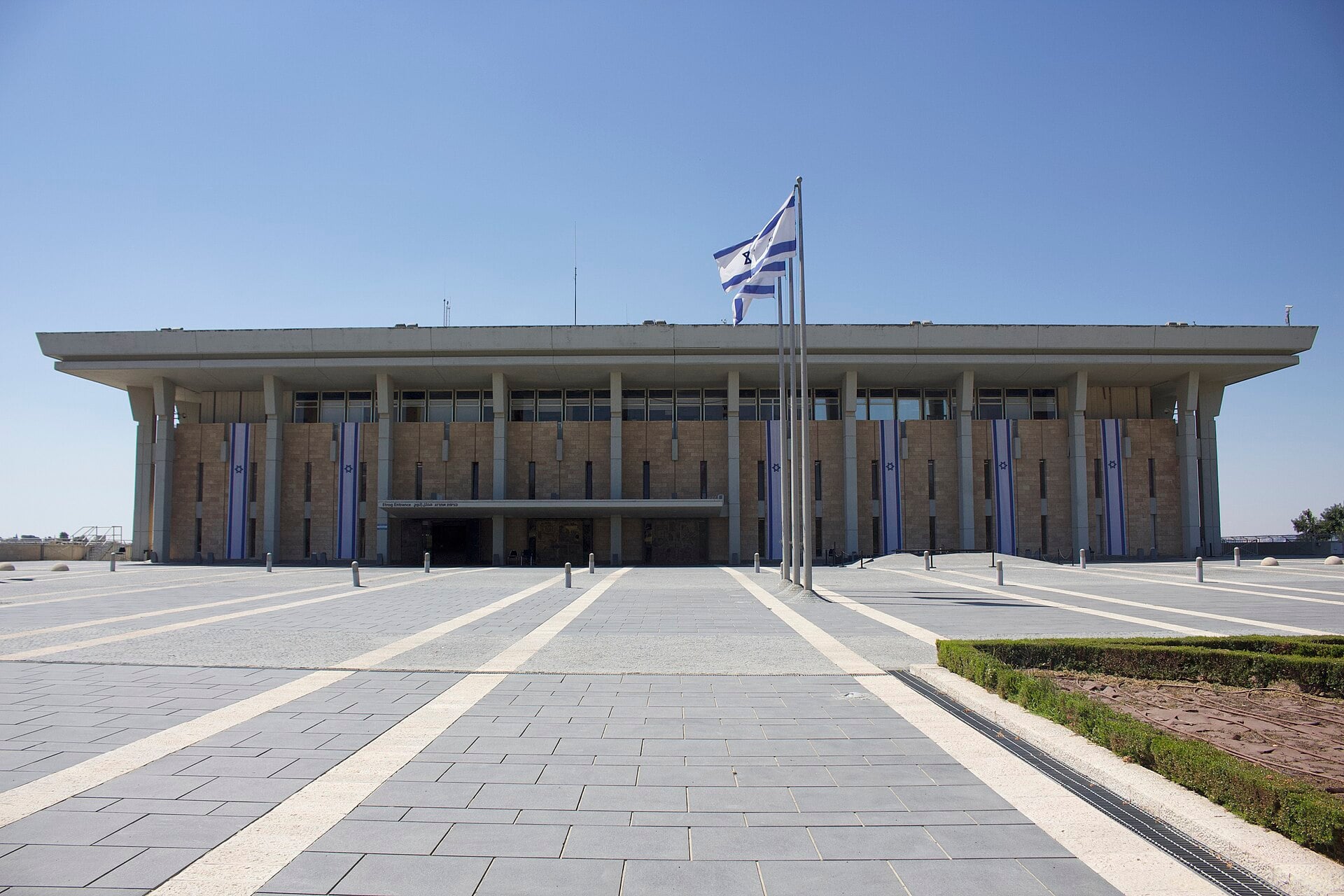
Soldiers’ ballots are still to be counted, and final results are expected on Friday 30 October. President Isaac Herzog then consults the parties and picks who gets up to 42 days to build a coalition.
A stalemate would not be new. Israel held five elections between April 2019 and November 2022 because of repeated deadlock.
What It Means for US Readers
A prime minister locked in coalition talks has less room for big decisions. Washington’s asks on Gaza, Iran and arms deals may wait until a government exists.
If Netanyahu stays with a thin majority, US policy would stay on a familiar path, with more weight on small coalition partners.
What It Means for Latin America and Africa
Our prediction-market data does not price a direct link to either region. The clearest channels are oil, where Israel–Iran tension moves prices for exporters such as Brazil and Nigeria, and diplomacy.
Morocco normalised ties with Israel in December 2020 under a US-brokered deal, so a new Israeli government could shape that relationship. We have not confirmed any specific policy change.
What Is Not Known
- The final seat count, once soldiers’ ballots are in.
- Whether any bloc can reach 61 seats, and which small parties would decide it.
- Whether a prime minister is formally appointed and sworn in before Kalshi’s market ends. Kalshi settles “No one” if nobody is, per its contract rules; it ends early once someone is.
- What each trader reacted to; markets show the move, not the reason.
Frequently Asked Questions
What do prediction markets expect in Israel now?
On Kalshi, “No one” as prime minister is 59%, Benjamin Netanyahu 27% and Gadi Eizenkot 13%, read at 5:30 a.m. ET on 28 October. Traders are betting on a stalemate, not a clear winner.
Has Israel’s election been decided?
No. About 72% of votes were counted, and neither camp has the 61 of 120 seats needed. Soldiers’ ballots are still to be counted, and final results are expected on Friday 30 October.
What does the “Netanyahu out” market measure?
Polymarket asks whether Netanyahu leaves office by set dates. It gives about 18% by 31 December 2026, 29% by 31 March 2027 and 41% by 30 June 2027.
Are prediction markets the same as polls?
No. They are real-money bets, not surveys of voters. Kalshi is regulated in the US by the CFTC, the federal derivatives regulator.
Related: Israel Election Odds Split on Vote Day · Netanyahu’s Party Odds Jump on Exit Polls · How Israeli Elections and Coalitions Work · Prediction Markets hub
Sources
Polymarket and Kalshi public market data (read 28 October 2026, 5:30 a.m. ET) · Israel’s Central Elections Committee partial count · Knesset, Israel’s parliament · Statements by Netanyahu and Eizenkot · Congressional Research Service, the research arm of the US Congress
This article was produced by The Rio Times’ automated newsroom system. How we use AI · Report an error · Editorial responsibility: Matthias Camenzind, Editor-in-Chief
Israel Election 2026
- Where Netanyahu’s Criminal Cases Stand
- Israel Exit Polls Leave Netanyahu Short
- How Israeli Elections and Coalitions Work
- Where Netanyahu’s Criminal Cases Stand
Read More from The Rio Times