Honduran Critics Call Próspera’s New Officials a ‘Modern Coup’
Key Facts
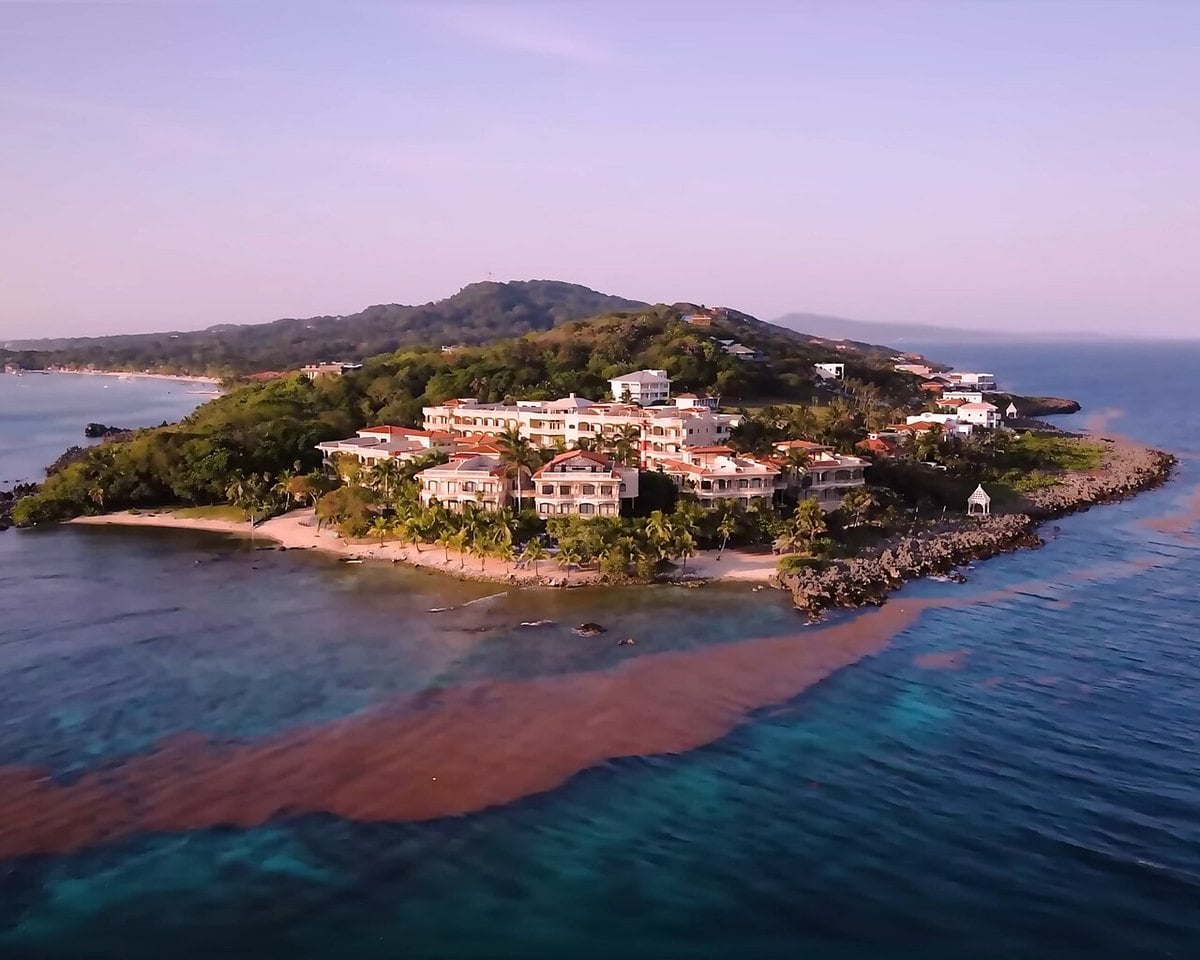
Próspera, a libertarian-backed private city on a Honduran island, keeps operating two years after its legal basis was struck down. Critics now say its latest appointments amount to a “modern coup” against the state.
On 15 September 2026, Próspera named lawyer Alberto Hernández Franks as “fiscal civil”, a civil prosecutor enforcing its own rules. Honduran outlet Criterio.hn reported on 18 September that civil-society leaders called the move a coup against Honduran sovereignty.
Why This Matters
Próspera is a ZEDE, or Zone for Employment and Economic Development, on Roatán in the Bay Islands. A 2013 law let such zones write their own rules, courts and taxes, with long guarantees of legal stability.
Congress repealed that law unanimously in April 2022, and the Supreme Court declared the zones unconstitutional on 20 September 2024. Criterio reported that eight of 15 justices backed voiding the framework from its origin.
Próspera answered the repeal with an international arbitration claim against the Honduran state. The dispute now falls to the government of President Nasry Asfura, whose National Party created the zones.
The sums are large for a country of about 10.2 million people with a nominal GDP near US$39.5 billion in 2025. Próspera’s original claim equals roughly 27% of that output, a Rio Times calculation from Wikipedia’s GDP figure.
The case is watched abroad as the leading test of the “charter city” idea backed by Silicon Valley investors. It also tests whether a small state can undo investor guarantees without paying for it in arbitration.
What the Critics Say
The appointment was announced on Honduras’s independence day, Criterio reported on 17 September. According to the zone, Hernández Franks will enforce its civil, tax and administrative rules.
Constitutional lawyer Joaquín Mejía wrote on X that Próspera keeps operating and has named a “fiscal civil”. A delegation from the Unidad Popular Hondureña, a civil-society coalition, asked the Supreme Court to enforce its 2024 ruling.
Fernando García, former presidential commissioner against the ZEDEs, described “a type of coup” carried out through international arbitration. Pedro Rafael Alegría of the peasant movement Vía Campesina said the zone acts as a parallel state.
The activists argue that the zone’s officials commit three offences, Criterio reported. They cite disobedience of court orders, usurpation of public functions and alteration of the form of government.
Javier Acevedo, director of the human-rights group CIPRODEH, criticised inaction by the attorney general’s office and the Supreme Court. No Honduran prosecutor or court has brought charges against Próspera or its officials over the appointments.
How Próspera Works
Venezuelan-born financier Erick Brimen founded the project in 2017 and serves as its chief executive. Its backers include Pronomos Capital, a fund supported by investors such as Peter Thiel, Marc Andreessen and Balaji Srinivasan.
Coinbase’s venture arm joined as an investor in January 2025, according to Wikipedia. The zone had about 2,000 residents in 2024, according to Wikipedia, a small base for such a large claim.
A nine-member council governs it, with five members elected and four named by Honduras Próspera Inc., which holds a veto. Businesses pay 1% of revenue in tax, while wages and personal income are taxed at 5%.
Sales tax is 2.5%, and the zone recognises bitcoin as legal tender. Criterio reported that Próspera expanded its share of Roatán’s territory from 3% to 4% in 2023.
The company says 90% of its workers must be Honduran nationals, according to its arbitration filing. The filing also cites a planned US$5 billion nearshoring hub in La Ceiba, on the Honduran mainland.
The Arbitration and Próspera’s Position
Próspera filed a US$10.775 billion claim under CAFTA-DR, the US-Central America trade pact, in December 2022. Its October 2025 memorial at ICSID, the World Bank’s arbitration body, seeks restoration of its rights first.
As an alternative, it asks for US$1.63 billion in damages plus US$1 million for moral harm. The company wrote that it “would much prefer a constructive dialogue with Honduras to arbitration”.
The claimants say they raised over US$166 million and were on track to invest about US$500 million by 2025. They rely on a 50-year guarantee in the ZEDE law, a 2021 legal stability agreement and a Honduras-Kuwait investment treaty.
After the 2024 ruling, Próspera warned of “a climate of insecurity and uncertainty for investors and employees”, Reuters reported. Honduras’s exit from ICSID took effect on 25 August 2024, and it rejoined from 16 August 2026.
How the Politics Shifted
The left-wing government of Xiomara Castro led the campaign against the zones from 2022 to January 2026. “Justice for the Honduran people means not selling off our territory piecemeal or privatizing our sovereignty,” she said in 2024.
Asfura won the November 2025 election with about 40.3% of the vote after Donald Trump endorsed him. He took office on 27 January 2026, and his government has not announced a new policy on the zones.
Honduras deposited its new ratification of the ICSID Convention on 17 July 2026, becoming the body’s 159th member. Criterio noted that Castro’s government had left ICSID, while Asfura’s administration brought Honduras back.
The Neighbours on Roatán
Próspera borders Crawfish Rock, a small island community on Roatán. Some residents there fear their land could be taken for future expansion, according to Wikipedia.
Próspera says in its arbitration filing that about 40% of Crawfish Rock depends on the zone for income. Neither claim has been tested by a court, and promised infrastructure for nearby communities has been slow to arrive.
What It Means If You Invest, Work or Travel
For investors, Próspera shows the legal risk of relying on special regimes that a later government can repeal. Any ruling in the ICSID case could shape how other Latin American states treat long-term investor guarantees.
For people living or working in the zone, legal status remains uncertain while courts and arbitrators decide. Anyone signing contracts under Próspera’s own rules should take independent Honduran legal advice first.
For travellers, Roatán remains open and ordinary tourism is not affected by the dispute. Honduran citizens may see the case land on the public budget if arbitrators award damages against the state.
What Is Not Yet Known
Criterio’s report carried no response from Próspera to the coup accusation. It is unclear whether the Supreme Court, prosecutors or the Asfura government will act on the activists’ demands.
It is not known when the ICSID tribunal will rule or whether the two sides are negotiating a settlement. The Supreme Court has also not set out in detail how existing zones must wind down.
It is not known whether Hernández Franks has handled any case since his appointment. Nor is it known whether Honduran authorities would recognise any decision his office issues.
Frequently Asked Questions
Why does the Próspera dispute matter?
It tests whether a private charter city can keep operating after a court ruling against it. A multibillion-dollar arbitration claim against Honduras rides on the outcome.
What is Próspera?
Próspera is a privately run charter zone on Roatán, created under Honduras’s ZEDE law. It says its rights are protected by legal stability guarantees and CAFTA-DR.
Is Próspera legal in Honduras?
The Supreme Court declared the ZEDE framework unconstitutional in 2024. Próspera disputes the consequences and is pursuing international arbitration.
How much is Próspera claiming?
Its original claim was US$10.775 billion. Its 2025 memorial asks first for restored rights, or else US$1.63 billion plus US$1 million in moral damages.
Sources: Criterio.hn, activists call Próspera appointments a modern coup, Criterio.hn, Próspera names a civil prosecutor despite ruling, Claimants’ Memorial on the Merits, ICSID Case ARB/23/2 (italaw), ICSID, Honduras ratifies the ICSID Convention (2026), Stabroek News (Reuters), Supreme Court ruling and Próspera reaction, TDM, Próspera’s December 2022 claim announcement, Wikipedia, Próspera, Wikipedia, Honduras GDP and population, Wikipedia, Nasry Asfura
This article was produced by The Rio Times’ automated newsroom system. How we use AI · Report an error · Editorial responsibility: Matthias Camenzind, Editor-in-Chief