Pope Leo in Argentina: Visit Schedule Set as Government Weighs Days Off
Argentina · Religion
Key Facts
- —What happened The Holy See published the full programme on Monday 21 September 2026 for Leo XIV’s 6 to 17 November trip.
- —The route Uruguay from 6 to 8 November, Argentina from 8 to 11 November, then Peru until 16 November.
- —The big events in Argentina Masses in Buenos Aires, Córdoba and Luján, plus a youth vigil in the capital’s Palermo district.
- —The crowd planning Security Minister Alejandra Monteoliva cited a combined capacity of about 7 million across all events, a cumulative figure, not distinct people.
- —The catch No holiday has been decreed; the scope is still undefined, to be analysed by locality, the foreign minister said.
- —Why it matters It is the first papal visit to Argentina since John Paul II in 1987.
The Vatican has published the day-by-day programme for Leo XIV’s first trip to South America as pope. Argentina, the homeland of his predecessor, gets four days, three open-air masses and a youth vigil.
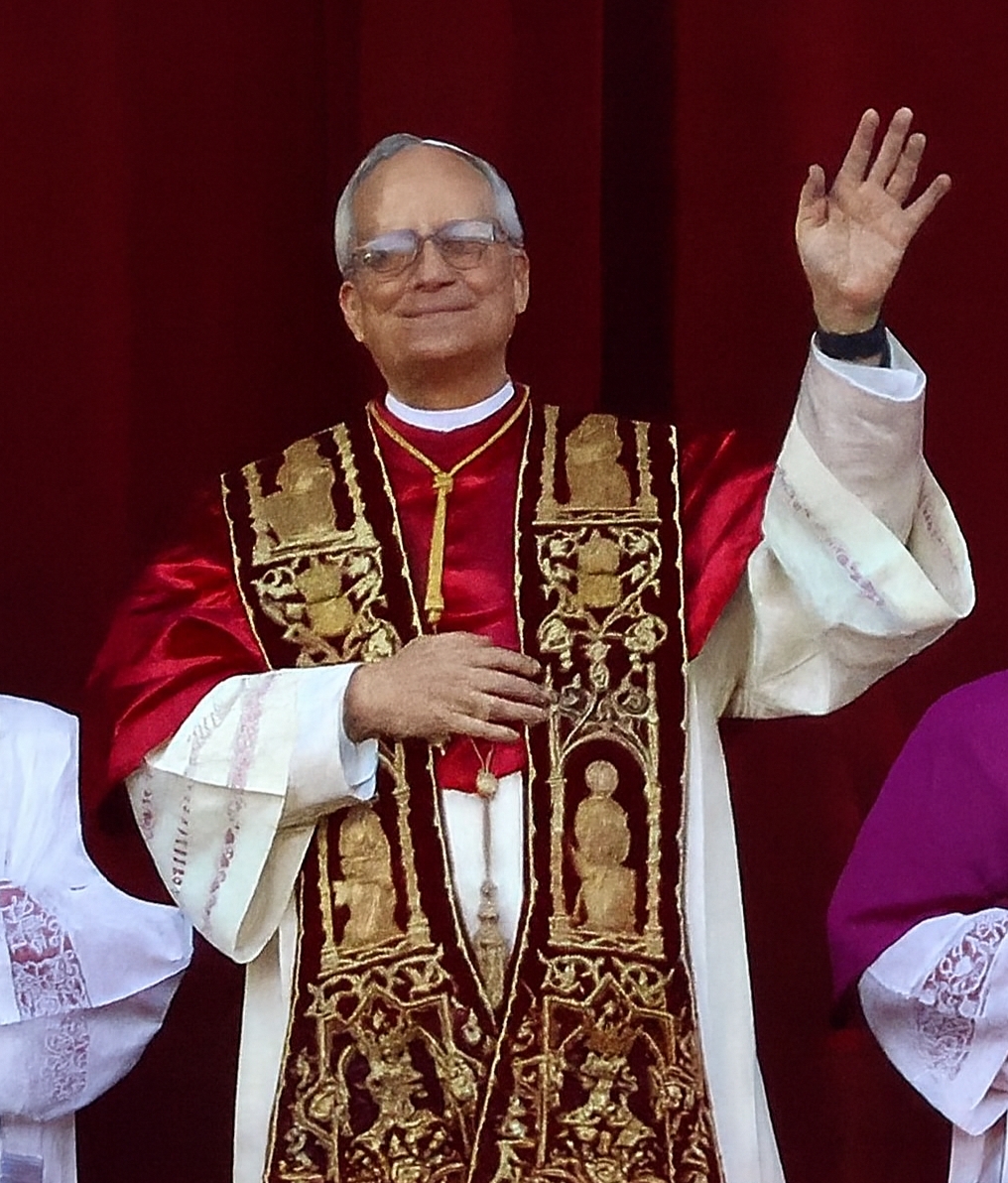
The Vatican has set the schedule for Pope Leo XIV in Argentina, a visit from Sunday 8 to Wednesday 11 November 2026. It includes three open-air masses, a youth vigil and a meeting with President Javier Milei.
The Holy See Press Office, the Vatican’s official press office, released the programme on Monday 21 September 2026. Argentina’s government then said it is preparing the largest security operation in the country’s history.
Three countries in twelve days
The journey was first announced on Wednesday 5 August 2026 by Matteo Bruni, director of the press office. It runs from 6 to 17 November, counting the flights to and from Rome.
Uruguay comes first, from 6 to 8 November, with stops in Montevideo, Paysandú and the town of Florida, north of Montevideo. Argentina follows, and Peru closes the tour from 11 November.
The pope leaves Lima for Rome on Monday 16 November and lands on 17 November. The Peruvian leg takes in Lima, Chiclayo, Cusco and the Amazon city of Pucallpa.
The Argentina programme, day by day
Leo XIV flies in from Montevideo to Buenos Aires’ city airport, Aeroparque Jorge Newbery. He lands at 4:30 p.m. Buenos Aires time on 8 November.
He first honours independence hero José de San Martín at his monument. He is then received at the Casa Rosada, the presidential palace, and visits Milei.
His first speech, to authorities and diplomats, follows at the Palacio Libertad cultural centre.
On Monday 9 November he visits the Pequeño Cottolengo Don Orione in Claypole, south of the capital. La Nación reports the home cares for people with disabilities.
At 11:30 a.m. Buenos Aires time he celebrates mass at the Monumento de los Españoles in Palermo. That afternoon he addresses the world of work at the Catholic University of Argentina.
He also meets leaders of other Christian churches and faiths at the Palacio San Martín. The day ends with vespers alongside Argentina’s bishops in the Metropolitan Cathedral.
On Tuesday 10 November he flies to Córdoba, Argentina’s second city, for a 10 a.m. mass at the Military Aviation School. That evening he returns to Palermo for a youth vigil.
On Wednesday 11 November he starts at 8 a.m. with a visit to the Federal Penitentiary Complex of Buenos Aires. Two hours later he says mass outside the Basilica of Our Lady of Luján, a major pilgrimage shrine.
He leaves from Ezeiza international airport at 2 p.m. for Lima. The Vatican notice says Aerolíneas Argentinas flies him into Argentina, around it and on to Peru.
Seven million, counted across every event
The government set out its plans at a press conference at the Casa Rosada on Monday. Foreign Minister Pablo Quirno spoke alongside Security Minister Alejandra Monteoliva.
Monteoliva called the security operation “the largest in our history”, according to Clarín. She listed three jurisdictions, three airports, three cities, four mass events and 11 closed events.
She also cited a unified command running for 120 uninterrupted hours and “a global capacity of approximately 7 million people”. La Opinión Austral reports that figure covers all the events combined over the four days.
It is therefore a cumulative planning number, not a forecast of 7 million different people. Monteoliva said the city of Buenos Aires, Buenos Aires province and Córdoba each have a unified command.
A holiday is an idea, not a decision
Quirno said the government would study whether to declare a public holiday, an asueto or non-working days. An asueto is a day off for public employees.
“Only today did we have official confirmation of the calendar,” Quirno said, as quoted by La Nación. He added that the scope, the days and the places covered “are not yet defined”.
The five-day figure comes from the calendar, not from the government. If Monday to Wednesday were declared days off, they would join the weekend of 7 and 8 November.
La Opinión Austral framed that scenario as a possible five-day break, while stating that no such decision exists. El Cronista reports a separate bill in the Chamber of Deputies.
That bill, by Peronist deputy Jorge Taiana, a former foreign and defence minister, would make 9, 10 and 11 November non-working days. More than 20 legislators back it, and the executive has not adopted it.
Why this trip matters
Leo XIV, born Robert Prevost in Chicago in 1955, is the first pope from the United States, says his Vatican biography. He is also a naturalised Peruvian citizen since 24 August 2015.
He spent much of his career as an Augustinian missionary in Peru. He led the diocese of Chiclayo, in the north, from November 2014 until Pope Francis called him to Rome in January 2023.
His predecessor Francis was Argentine, yet never returned to his homeland after becoming pope, the BBC noted when he died. No pope has visited Argentina since John Paul II in 1987.
The papal nuncio, the Vatican’s ambassador in Buenos Aires, is Michael Wallace Banach. He said the pope comes “as head of state, but principally as a pastor”.
For Argentines, Pope Leo in Argentina is the visit Francis never made in twelve years as pope. For Peru, it is a return to the diocese he led for more than eight years.
More: Argentina coverage, every day from The Rio Times.
Frequently Asked Questions
When will Pope Leo XIV be in Argentina?
The Vatican programme has him arriving in Buenos Aires from Uruguay at 4:30 p.m. Buenos Aires time on Sunday 8 November 2026. He leaves for Lima, Peru, at 2 p.m. on Wednesday 11 November 2026. In between he visits Claypole, Córdoba and Luján.
Where are the big public masses?
There are three open-air masses in Argentina. The first is at the Monumento de los Españoles in Palermo, Buenos Aires, on 9 November. The second is at the Military Aviation School in Córdoba on 10 November, and the third outside the Basilica of Luján on 11 November. A youth vigil is held in Palermo on the evening of 10 November.
Is there a holiday while Pope Leo is in Argentina on his visit?
Not yet. Foreign Minister Pablo Quirno said on 21 September 2026 that the government is studying holidays, an asueto or non-working days. He said their scope is not yet defined and will be analysed according to the places the pope visits. A bill by deputy Jorge Taiana proposing 9 to 11 November as non-working days has not been adopted.
Is it true that 7 million people will attend?
That is the security plan’s figure, cited by Security Minister Alejandra Monteoliva. It is a combined capacity across all events during the four days, so the same people may be counted more than once. It is not an estimate of distinct visitors.
Sources: Holy See Press Office programme of the journey, Holy See Press Office flight notice, Holy See Press Office announcement of 5 August 2026, Vatican biography of Leo XIV, Clarín on the Casa Rosada briefing, La Nación on the holiday analysis, La Opinión Austral on the five-day scenario, El Cronista on the Taiana bill, BBC on Francis never returning to Argentina
This article was produced by The Rio Times’ automated newsroom system. How we use AI · Report an error
Read More from The Rio Times