PERU · SECURITY
Published Wednesday, 4 November, 10:00 p.m. ET · Source: Peru’s Justice Ministry, prison service INPE and the government’s Unified Command
Key Facts
- What happened Peru moved 30 high-danger inmates out of its Trujillo prison on Wednesday, 4 November, days after a riot killed three.
- Why The government wants to break the grip of three gangs the ministry ties to extortion.
- Not known The full list of prisons that received the 30 men has not been confirmed.
- Next The 60-day prison emergency, extended from 5 November, keeps police and soldiers on duty until early January.
Peru has pulled 30 of its most feared prisoners out of a Trujillo jail where three inmates died in a riot on Sunday. Officials say the men are suspected members of three gangs that run extortion rackets, meaning they demand money under threat.
Peru’s Justice Ministry and INPE, the National Penitentiary Institute that runs the country’s prisons, announced the transfer on Wednesday, 4 November. The ministry says it aims to restore order and stop criminal groups operating from inside the jails.
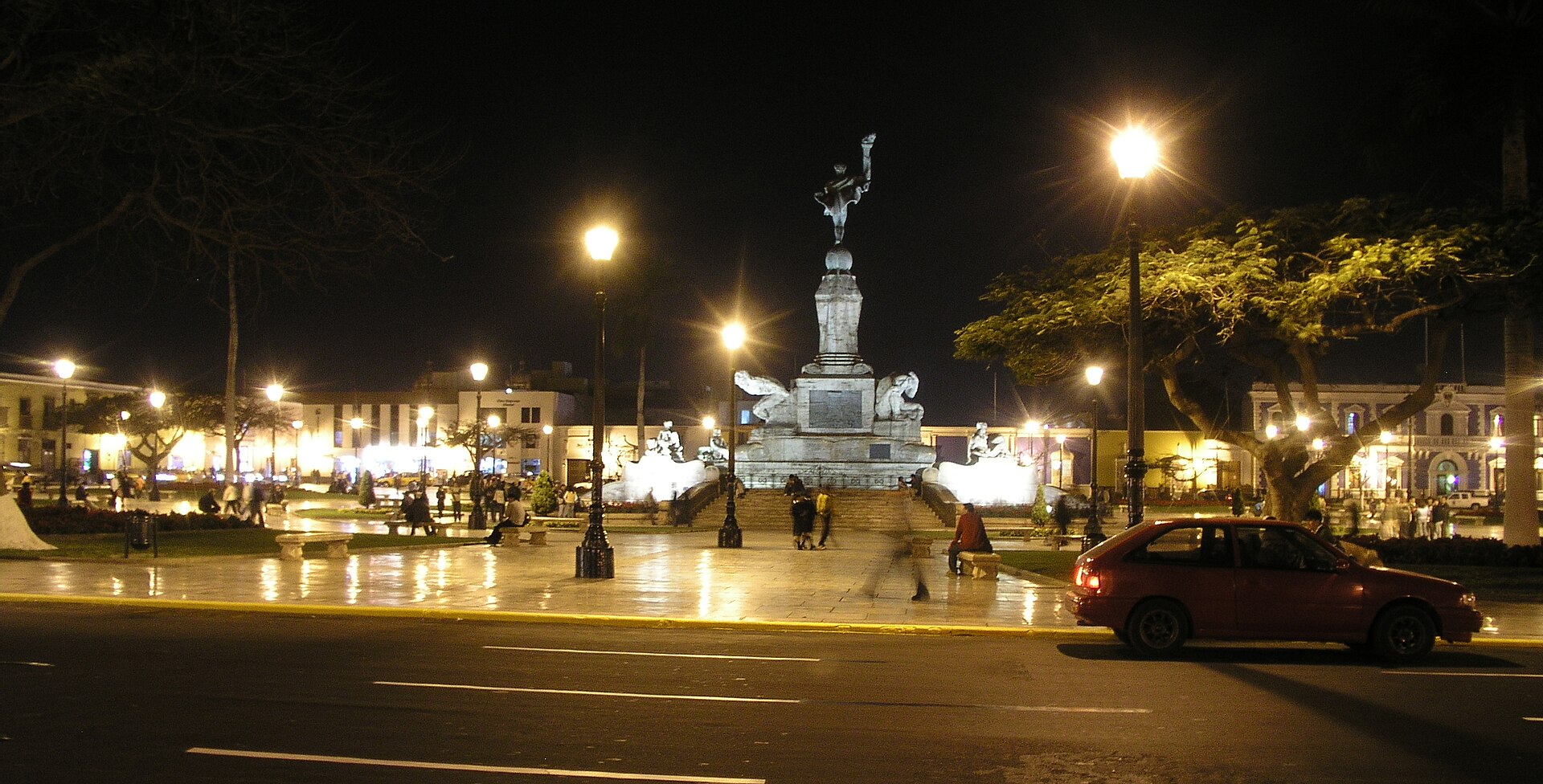
Three Gangs Are Targeted in the Transfer
The transferred men are suspected members of Los Pulpos, La Jauría and Chicago Bulls, according to the Justice Ministry. These groups operate mainly in Trujillo, the capital of the northern region of La Libertad, where, the ministry says, they run extortion and illegal mining.
The operation was run by the Unified Command, the government’s joint security body, with INPE’s special operations group (GOES). Officials also searched prison blocks and seized mobile phones and other banned items that inmates use to coordinate crime.
The full list of prisons that received the 30 men has not been confirmed in the official accounts we reviewed. That matters, because the choice of destination decides how far the gangs’ reach is actually cut.
A Sunday Riot Forced the Government’s Hand
The trigger was a fight between inmates at the El Milagro prison in Trujillo on Sunday, 1 November. Three prisoners died and eight were injured.
President Keiko Fujimori responded on Monday, 2 November, by announcing a reorganisation of inmates across the whole prison system. She said every prisoner would be reclassified by danger, with the worst offenders moved to tougher jails.
Wednesday’s transfer follows that announcement. Extortion, in which gangs demand payments from shops and families under threat of death, is now the top worry for many Peruvians.
This Fits a Wider Crackdown
The riot struck a prison that was already under a state of emergency. Our report on the 60-day extension of the emergency at five prisons notes that the original order dates from early September.
That decree cites 156% overcrowding. The National Police keep order inside, with the armed forces supporting them.
The jails are also a political promise. Fujimori has made prison control the centre of her security policy, and we have reported her plan for two Bukele-style prisons, modelled on the mega-jails of El Salvador’s president, Nayib Bukele.
What It Means for US Readers
The likeliest winners are Peruvian shops and small firms squeezed by extortion payments, if cutting phone links really weakens the gangs. The likeliest losers are the transferred leaders, who lose their local networks.
US travellers face no direct change, because the emergency covers prison perimeters and a 200-metre (about 650-foot) strip around them, not tourist areas. They should still check the State Department’s Peru advisory before visiting Trujillo, and US firms with northern operations may see extortion risk shift as the gangs adapt.
What Would Confirm or Break the Plan
The emergency runs 60 days from Thursday, 5 November, so it lasts into early January. A new decree would be needed to continue it, and the National Police must report to the Interior Minister within five working days of its end.
Watch for three signals: whether extortion complaints in Trujillo fall, whether violence flares inside or outside prisons in retaliation, and whether the government publishes its full inmate classification list. A second riot before the emergency ends in early January would suggest the gangs still have reach inside the jails, while a drop below the 156% overcrowding level would show the plan is working.
What Is Not Known
It is not known why the Sunday fight started or which groups the dead belonged to. The government has not said how long the 30 men will stay where they were sent, and no figure on extortion cases in Trujillo was found.
For wider context, see our Trujillo city profile and the Peru hub.
Frequently Asked Questions
Why did Peru move 30 inmates out of Trujillo prison?
The government says the move restores order and stops gangs running crime from inside jail. It followed a riot on Sunday, 1 November, that killed three inmates.
Which gangs are the transferred inmates linked to?
The Justice Ministry links them to Los Pulpos, La Jauría and Chicago Bulls. It says the groups mainly operate in Trujillo.
This article was produced by The Rio Times’ automated newsroom system. How we use AI · Report an error · Editorial responsibility: Matthias Camenzind, Editor-in-Chief