France in Turmoil
Published Wednesday, Nov. 4, 11:50 a.m. ET (5:50 p.m. Paris) · Source: Paris police prefecture order, union and rail-union strike calls, Polymarket
Paris police have told the unions where they may not march. The ban lands one day before France’s nationwide strike.
Key Facts
- What happened. Paris police banned the unions’ Bastille-to-Concorde route and approved a République-to-Nation march.
- When. Allowed march window Thursday, Nov. 5: 8 a.m. to 1 p.m. ET (2 p.m. to 7 p.m. in Paris).
- Who. Five union confederations called a strike over pay, public services and the 2027 budget.
- What next. Rail unions join the strike. The unions’ response to the ban is not yet known.
- Prediction markets. Polymarket puts a French state of emergency by Dec. 31 at 6.5% (11:39 a.m. ET, Nov. 4).
This story is part of our coverage of the why France is in crisis. Dates, times and how to follow it are in our guide.
In plain English
In France, marches need police approval of the route. The police chief of Paris, the prefect, refused the route the unions wanted and offered a different one, so the unions must now decide whether to accept it.
Paris police pulled the rug from under the unions’ plans on the eve of France’s nationwide strike. The police prefecture, the city’s law-enforcement authority, banned the route the unions had declared for Thursday, Nov. 5, and offered another.
The march may run from 8 a.m. to 1 p.m. ET (2 p.m. to 7 p.m. in Paris) between Place de la République and Place de la Nation, two Paris squares, along Boulevard Voltaire, a long avenue in the east of the city. It is the latest twist in why France is protesting this autumn, which our France protests hub follows day by day.
Why Police Moved the March
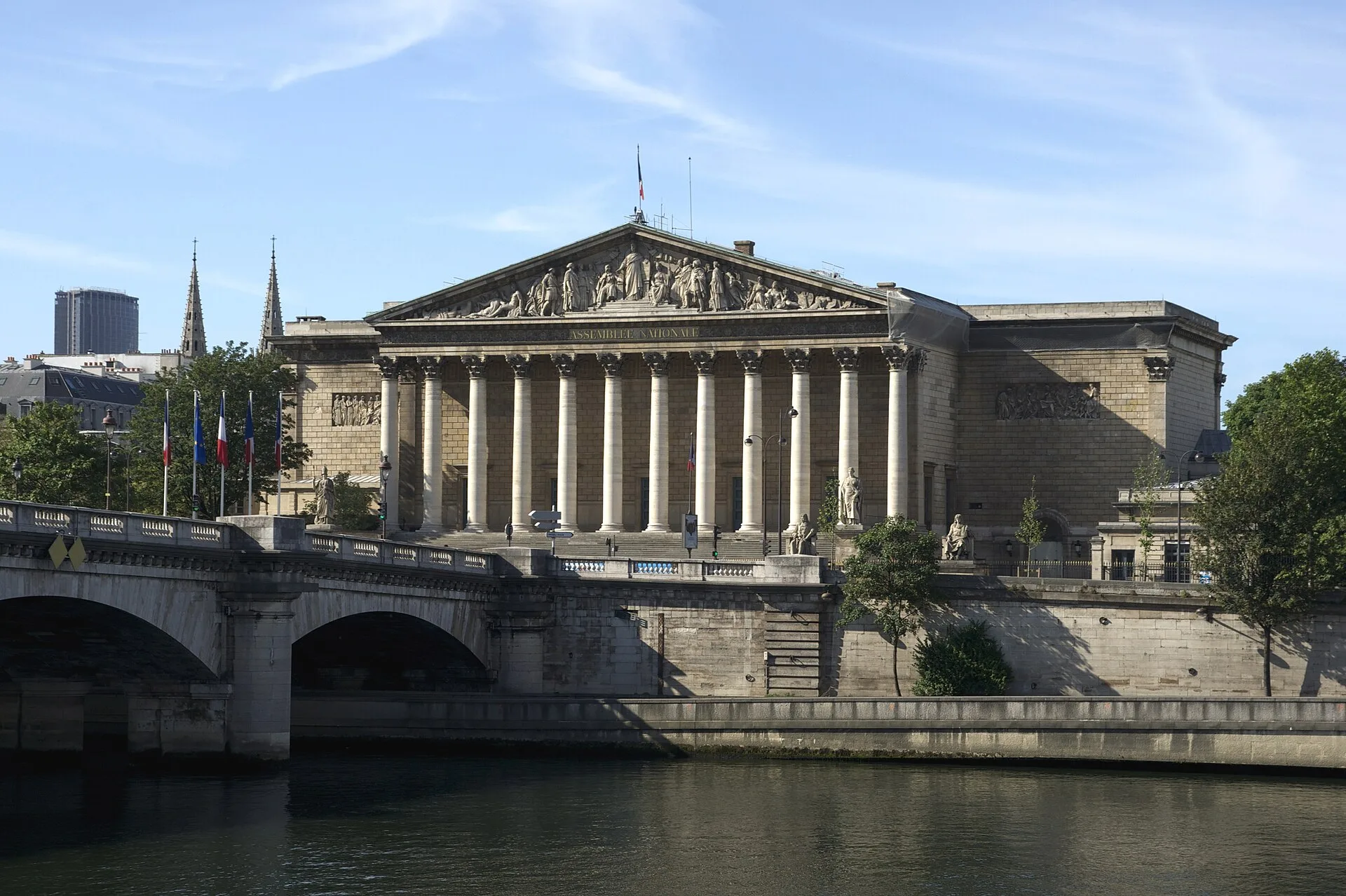
The prefecture’s order says the unions’ declared route “is prohibited.” That march would have run from Place de la Bastille to Place de la Concorde, passing near the National Assembly (the lower house of parliament), the Élysée presidential palace and Matignon, the prime minister’s office.
The unions had already asked a court to step in over the route before the ban came. We found no published reasons for the ban.
Authorities have been wary of mass marches since the Oct. 17 cost-of-living protests ended in riots and looting in several French cities, including Paris.
Who Is Striking and Why
The CFDT, CGT, FO, Unsa and FSU, five union confederations acting together as the intersyndicale, called workers in the public and private sectors to stop work and march. They are protesting the government’s draft 2027 budget and demanding higher pay, stronger public services and tax justice.
The four main rail unions at the state railway SNCF also called a strike for the same day, with demands of their own. Travelers should expect disruption on trains, including in the Paris region, though we have not seen the railway’s own service forecast.
What Prediction Markets Say
Polymarket, a real-money prediction market, prices a formal state of emergency in France (a government decree under a 1955 law) by Dec. 31 at 6.5%, with about US$2.7 million traded. A separate market on a “state of siege,” a wartime regime that hands police powers to the army, stands at 2.4% for the same date, with about US$325,000 traded (both as of 11:39 a.m. ET on Nov. 4).
These prices are bets, not polls, and we do not offer betting links or tips. Why we show this: prediction markets turn real-money bets into a live probability that moves within minutes of the news, which is why investors, campaigns and newsrooms in the United States now follow them closely.
We show them next to polls and official results, never instead of them.
What It Means for US Readers
Americans in Paris should plan around closures near the march and a rail strike on Thursday, and check the is it safe to travel to France guide before moving. The march falls in the US morning, so any clashes would be visible before markets open.
Investors have a longer horizon. The budget fight behind the strike decides how quickly Paris can cut its deficit, and a calm Thursday would ease the pressure that the Polymarket prices above capture.
What Is Not Known
It is not known whether a court will rule on the unions’ challenge, or whether they will accept the new route or march anyway. We also found no turnout forecast, police deployment figures or a government statement on the ban.
The full text of the order has not been published, to our knowledge. The details above come from the passages quoted in French reporting.
Frequently Asked Questions
Where can the unions march in Paris on Nov. 5?
Police allowed a march between Place de la République and Place de la Nation along Boulevard Voltaire. It may run from 8 a.m. to 1 p.m. ET (2 p.m. to 7 p.m. in Paris).
Who called the Nov. 5 strike?
Five union confederations, the CFDT, CGT, FO, Unsa and FSU, called public and private workers to strike and march. The four main rail unions at the state railway SNCF also called a strike for the same day.
Sources
Préfecture de police de Paris · Polymarket, state of emergency market · Polymarket, state of siege market · Strike calls by the CFDT, CGT, FO, Unsa, FSU and the SNCF rail unions
Editorial responsibility: Matthias Camenzind, Editor-in-Chief · Editorial standards · Report an error
France in Turmoil
- Why France Is in Crisis, and How Macron Lost His Grip
- Why Is France Protesting? Riots, Curfews and the 2027 Race
- Is It Safe to Travel to France Right Now? Curfews, Strikes
- Who Will Win France’s 2027 Election? Polls and Odds