Peru Hosts APEC Summit Amid Shifting Economic Landscape in Latin America
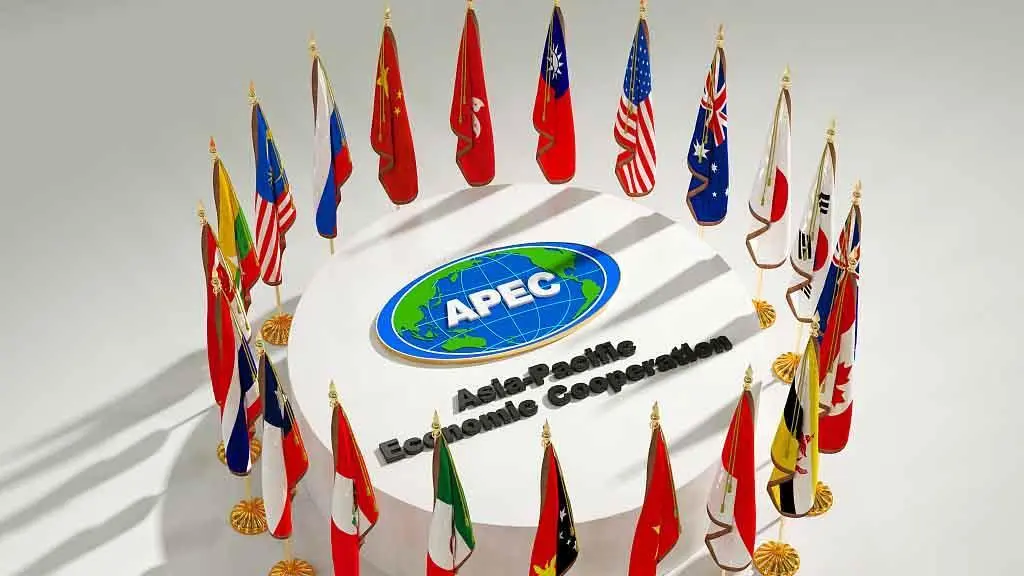
The Asia-Pacific Economic Cooperation (APEC) Leaders’ Week kicks off in Peru, bringing together 21 confirmed economies. This event marks a significant moment in regional cooperation and trade relations. The Lima Convention Center in San Borja district serves as the main venue for the summit.
High-level meetings will address key challenges and opportunities in the Asia-Pacific region. These include inclusive growth, trade and investment, innovation, digitalization, and sustainable development. Over 5,000 delegates from member economies will participate in these discussions.
Parallel to the main summit, the APEC Business Summit will convene more than 1,200 business leaders. Notable attendees include executives from Google, TikTok, and JPMorgan Chase. This gathering highlights the private sector’s role in shaping regional economic policies.
China’s growing influence in Latin America takes center stage at this year’s summit. President Xi Jinping arrives in Peru to inaugurate the Chancay megaport, a Chinese-built project. This visit underscores China’s expanding economic footprint in the region.
The Chancay port, located 80 kilometers north of Lima, promises to reshape maritime routes to Asia. It aims to reduce shipping times for Peruvian and Brazilian products by up to 20 days. Peru’s Transport Minister envisions Chancay becoming the “Singapore of Latin America.”
China’s trade dominance in Peru illustrates a broader trend across South America. Beijing has overtaken Washington as the primary trading partner for several countries in the region. This shift reflects China’s growing appetite for Latin American commodities.
The United States faces challenges in maintaining its influence in what it once considered its “backyard.” President Joe Biden’s attendance at APEC comes amid concerns about waning U.S. economic presence in the region.
Peru Hosts APEC Summit Amid Shifting Economic Landscape in Latin America
Peru exemplifies this changing dynamic. China’s trade advantage over the U.S. in Peru reached $16.3 billion last year. This marks a dramatic reversal from a decade ago when Washington held sway.
Experts note that China’s approach in Latin America focuses on economic ties rather than military presence. This strategy allows Beijing to expand its influence without directly challenging U.S. security interests in the region.
The APEC summit provides a platform for addressing these evolving economic relationships. It offers an opportunity for member economies to discuss strategies for balanced and inclusive growth in the Asia-Pacific region.
As the summit progresses, all eyes will be on how traditional and emerging economic powers navigate these changing dynamics. The outcomes of this meeting may shape regional trade and cooperation for years to come.
More: Peru news in English, every day from The Rio Times.
This article was produced by The Rio Times’ automated newsroom system. How we use AI · Report an error
Read More from The Rio Times