Panama Canal Deepens Draft To 48 Feet, Boosting Cargo Limits
Latin America · Trade
Key Facts
- Draft increase — maximum authorised draft rises to 48.0 feet (14.63 meters) from August 26, 2026.
- Further rise — draft climbs to 48.5 feet (14.78 meters) from September 3, 2026.
- Lake recovery — Gatun Lake levels have recovered after severe drought, enabling deeper transits.
- No transit cut — ACP confirms daily transit numbers remain unchanged.
- Cargo boost — deeper draft allows Neopanamax ships to carry more containers or gas.
- Regional impact — lower freight costs and improved reliability for Latin American exporters.
The Panama Canal Authority is raising the maximum draft for Neopanamax locks from August 26, easing drought-era restrictions and allowing ships to carry more cargo.
If you’re shipping goods through Latin America, the Panama Canal draft increase is about to let bigger ships through again. On August 26, the Panama Canal Authority (ACP) will raise the maximum authorised draft for Neopanamax locks to 48.0 feet (14.63 meters).
Followed by a further rise to 48.5 feet (14.78 meters) on September 3.
Exporters and shippers get more cargo per vessel. Freight costs drop per container.
Drought-driven restrictions ease. This helps regional trade after months of pressure.
Draft means the water depth a ship needs. A deeper draft allows a heavier load.
Gatun Lake recovered after last year’s drought. The El Niño-driven drought forced the ACP to cut vessel numbers and draft limits.
Now the canal can return to near-normal operations. The ACP said the adjustment reflects current water levels.
It also reflects projected conditions. The ACP confirmed daily transits will not be reduced.
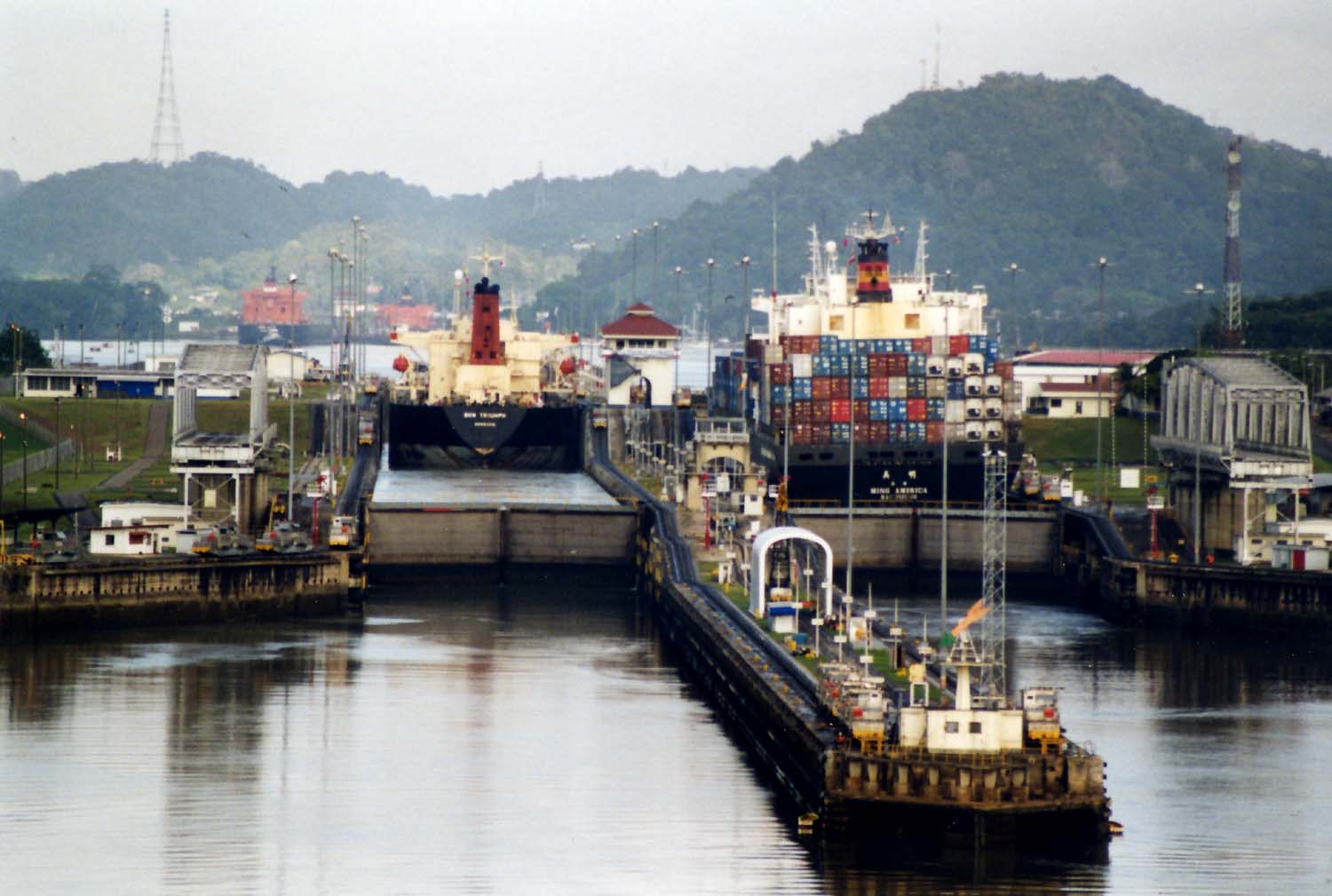
Panama Canal Draft Increase: What Is Draft and Why It Matters
Draft is the vertical distance between the waterline and the bottom of a ship’s hull — essentially, how deep the vessel sits in the water. The maximum authorised draft sets the limit on how heavily a ship can be loaded while still clearing the canal’s locks and channels. A higher draft means ships can carry more containers, more gas, or more grain in a single transit.
For Neopanamax vessels — the largest ships that fit through the expanded locks — a one-foot increase in draft can translate into several thousand additional containers. That’s a big deal for shippers moving goods between Asia and the US East Coast, or between South America’s west coast and Europe. More cargo per ship means lower unit costs, which can ease freight rates that have spiked during earlier restrictions.
From Drought to Recovery
The Panama Canal relies on freshwater from Gatun Lake to operate its locks. Each transit uses millions of gallons, so when the lake’s level drops, the ACP must limit how much water each lockage consumes — and thus how deep the ships can be. During the 2023-2024 El Niño, Gatun Lake fell to critically low levels, forcing the ACP to slash daily transits and draft limits to as low as 44 feet. This caused massive queues, soaring freight rates, and delays that rippled through global supply chains.
Today, the situation has reversed. Gatun Lake has recovered significantly, thanks to above-average rainfall in recent months. The ACP’s move to raise the draft is a direct result of these improved conditions. ’Current water levels and projected conditions in Gatun Lake allow us to increase the maximum draft,’ an ACP spokesperson said. The authority added that the adjustment is part of its ongoing water management strategy, which also includes conservation measures and a new reservoir project to secure future water supply.
The deeper 48.5-foot draft is a decisive advantage for Latin American trade — it lets Neopanamax vessels load closer to full capacity in a single transit. More cargo per lockage slashes per-unit freight costs, which is critical for exporters of copper, fruit, and seafood moving between the Pacific and Atlantic. The contrast with 2023–2024 is stark: drought then forced draft cuts to 44 feet, triggering cargo offloading and costly feeder-ship transfers that inflated shipping bills across the region. Now that Gatun Lake has recovered, the canal restores that efficiency — and exporters can pin down tighter budgets.
What the New Limits Mean for Shippers
From August 26, the maximum draft for Neopanamax locks will be 48.0 feet. Just over a week later, on September 3, it will rise again to 48.5 feet — the same level in effect before the drought crisis. For comparison, the previous draft was 48.0 feet, so the initial increase is modest, but the September step brings full recovery.
For Neopanamax containerships and LNG carriers, this is a green light to load closer to their full capacity. A ship that had to offload cargo onto smaller feeder vessels—or skip the canal entirely—can now pass through with more goods. The ACP has confirmed that the number of daily transits will remain unchanged, so there’s no risk of longer queues. This stability is crucial for shippers planning schedules and freight budgets.
Impact on Latin American Trade and Freight Costs
For Latin American exporters, the deeper draft is a competitive boost. Countries like Chile, Peru, and Ecuador ship copper, fruit, and seafood to North America and Europe via the canal. A higher draft means these goods can be shipped more efficiently, reducing per-unit freight costs and helping exporters stay price-competitive in global markets.
Investors should watch how this affects regional shipping rates. During the drought, spot rates for container ships transiting the canal spiked, hitting US West Coast alternatives and rail connections. As draft limits normalise, expect freight costs to ease, potentially improving margins for exporters and reducing inflationary pressures on imported goods in Latin American economies.
But the canal isn’t out of the woods. Climate variability remains a threat, and the ACP is investing in projects like the new Río Indio reservoir to buffer against future droughts. For now, the trend is positive: bigger ships, smoother transits, and a signal that Latin America’s key trade artery is back to business.
More: Panama news in English, every day from The Rio Times.
Frequently Asked Questions
What exactly is the new draft limit for the Panama Canal?
The maximum authorised draft for Neopanamax locks will be 48.0 feet (14.63 meters) from August 26, 2026, then rise to 48.5 feet (14.78 meters) from September 3, 2026. This is an increase from the previous 48.0 feet that was in effect, reflecting improved water levels in Gatun Lake.
Why does the draft limit matter for shippers?
Draft is the depth of water a ship needs. A higher draft allows ships to carry more cargo — more containers, gas, or grain — in a single trip. This reduces the cost per unit of freight and can lead to lower shipping rates for Latin American exporters and importers.
Will the draft increase affect the number of ships passing through daily?
No. The Panama Canal Authority has confirmed that the number of daily transits will remain unchanged. The draft adjustment is based on water availability, and transit slots are unaffected, so shippers should not expect longer queues.
How does this relate to the recent drought?
The drought driven by El Niño lowered Gatun Lake’s levels, forcing the ACP to reduce drafts and transit numbers. Now, with the lake recovering, the ACP is lifting draft restrictions. The adjustment reflects improved water levels and projections, easing the operational constraints that had disrupted trade.
Connected Coverage
Sources: Panama Canal Authority (Autoridad del Canal de Panamá); Reuters.
This article was produced by The Rio Times’ automated newsroom system. How we use AI · Report an error
Read More from The Rio Times