Business
Key Facts
—The cut. The Panama Canal reduced the maximum draft for its larger Neopanamax locks to 49.5 feet (15.09 meters) from July 3.
—The next step. It fell further to 49.0 feet effective July 24, with 48.5 feet due from August 15.
—The reason. Water management amid the risk of an El Niño drying out the canal’s watershed.
—The goal. To conserve water in Lake Gatún and keep transits flowing if El Niño develops.
—The extras. Maintenance at the Gatún Locks temporarily reduced available booking slots.
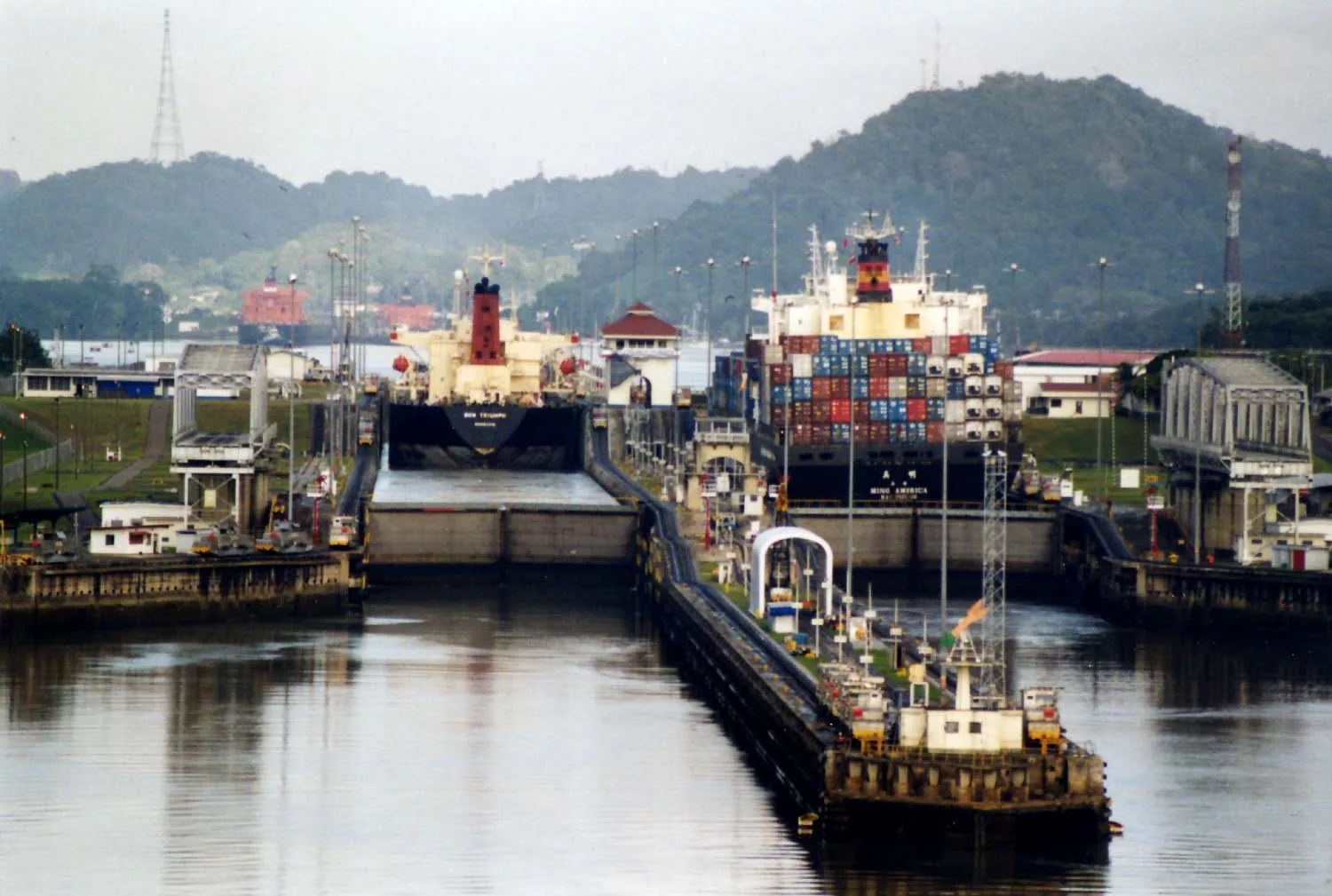
The Panama Canal is tightening the belt again. Worried about a possible El Niño, the waterway is cutting how deep ships can sit, trimming the Panama Canal draft in stages to conserve water.
The Panama Canal runs on fresh water, lifting ships between oceans through locks fed by Lake Gatún. When rain is short, the canal has less water to spend, and it limits how deeply loaded ships can be.
With El Niño a risk, the authority is acting early.
Draft, in Stages
The canal cut the maximum authorized draft for its Neopanamax locks to 49.5 feet from July 3, then to 49.0 feet effective July 24, with a further reduction to 48.5 feet planned for August 15.
A shallower draft means ships must carry less cargo, or redistribute it, to sit higher in the water.
Why the Canal Is Worried
The authority framed the moves as part of its water-management strategy in light of a potential El Niño in the watershed over the coming months.
Conserving water in Lake Gatún now is meant to avoid sharper disruptions later, drawing on hard lessons from the drought that snarled the canal in recent years.
Why It Matters
The Panama Canal is a chokepoint for global trade, so even modest draft cuts ripple through shipping schedules and costs.
With maintenance also trimming booking slots, carriers face a tighter, more expensive canal just as they plan for the months ahead.
The Water Problem
The Panama Canal is unusual because it runs on fresh water, not sea water, lifting ships through locks fed by rainfall in Lake Gatún. When the rains fail, the canal literally has less to work with.
A severe drought in recent years forced deep cuts to traffic and drove up costs, a lesson the authority is determined not to repeat. Acting early on draft is meant to stretch the water it has.
Draft limits translate directly into cargo: a ship that cannot sit as deep must carry less, so each transit moves fewer goods. Carriers weigh whether to lighten loads, split shipments or reroute.
With global trade leaning on the canal as a shortcut between oceans, even modest restrictions echo through schedules and freight rates. The staged cuts signal the authority expects a dry stretch ahead.
More: Panama news in English, every day from The Rio Times.
Sources
- gCaptain – Panama Canal Deepens Draft Restrictions as El Niño Strengthens
- Riviera – Panama Canal Authority lowers maximum draft level after issuing El Niño warning
Connected Coverage
- Mexico’s Interoceanic Corridor: The Panama Canal Alternative, Explained
- A War Far Away Is Making the Panama Canal Richer Than Expected
Sources: Panama Canal.
This article was produced by The Rio Times’ automated newsroom system. How we use AI · Report an error · Editorial responsibility: Matthias Camenzind, Editor-in-Chief
Frequently Asked Questions
How much is the Panama Canal cutting draft?
The maximum draft for the Neopanamax locks was cut to 49.5 feet from July 3, then to 49.0 feet effective July 24, with a further reduction to 48.5 feet planned for August 15.
Why is the canal reducing draft?
As part of its water-management strategy amid the risk of an El Niño drying out the watershed, to conserve water in Lake Gatún and keep transits flowing.
How does it affect shipping?
A shallower draft means ships must carry less cargo, and maintenance at the Gatún Locks has reduced booking slots, tightening capacity and raising costs for carriers.