Nigeria Sends Maternal Kits to 172 High-Risk Districts
NIGERIA · HEALTH
Key Facts
- —What is MAMII The Maternal and Neonatal Mortality Reduction Innovation Initiative, a federal Nigerian programme launched in November 2024.
- —What it aims at Cutting maternal deaths by 30% and newborn deaths by 20% by 2028.
- —What happened First Lady Senator Oluremi Tinubu flagged off a new distribution of supplies on 14 September 2026.
- —What is being handed out 215,000 Mama Kits and bags, 40,000 maternal food support packs and 40,000 sets of newborn clothing.
- —Where 172 local government areas that the federal government says account for about 55% of Nigeria’s maternal deaths.
- —Where it is running now Six states: Bauchi, Borno, Kaduna, Kano, Katsina and Ogun, across more than 250 health facilities.
Nigeria has picked 172 districts out of 774. The government says more than half its mothers who die, die in them.
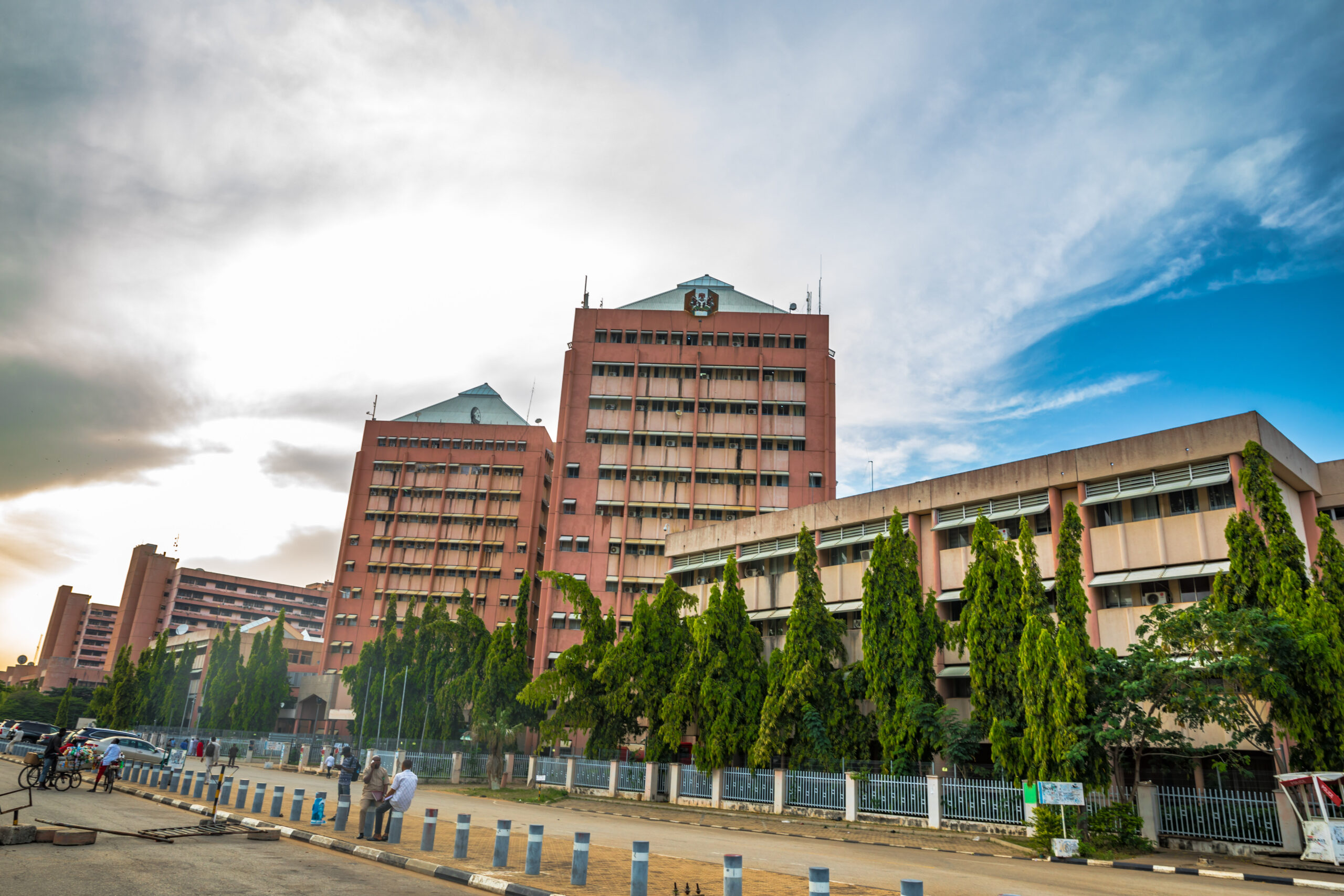
Nigeria distributed 215,000 maternal health kits on 14 September. The federal programme targets the 172 local government areas where most maternal deaths occur. The First Lady, Senator Oluremi Tinubu, led the ceremony.
What Was Handed Over
The distribution covers 215,000 Mama Kits and bags, 40,000 maternal food support packs and 40,000 sets of newborn clothing.
A Mama Kit contains the basic sterile supplies for a supervised delivery, which many Nigerian women are otherwise asked to buy themselves.
This is the second batch. About 110,000 kits were distributed in 2025.
The First Lady was joined by Professor Muhammad Ali Pate, coordinating minister of health and social welfare. Dr Iziaq Adekunle Salako, minister of state for health, also attended.
Why 172 Districts
Nigeria has 774 local government areas. The programme targets 172 of them, about 22%.
The federal government says those 172 account for around 55% of the country’s maternal deaths.
Accounts of how many states they span vary between 33 and 36, depending on the source.
The 55% figure is a government claim and has not been independently audited.
What the Programme Offers
Free Caesarean sections and treatment of delivery complications.
Emergency transport, through the national ambulance scheme NEMSAS.
Enrolment in health insurance through the National Health Insurance Authority.
Facility upgrades and digital tracking of pregnancies, coordinated between the federal health ministry and the primary health care agency.
The Numbers the Government Reports
More than 60,000 women have been given free emergency obstetric services, including Caesarean sections.
Nearly 79,000 have been transported by the emergency ambulance service.
More than 120,000 frontline health workers have been retrained and over 3,000 primary health centres revitalised.
More than 6,000 fistula repairs have been carried out, and fourth-visit antenatal attendance rose 20% in a quarter.
Every one of these figures comes from the federal government, reported on the day of a ceremonial flag-off. None has been independently audited.
Why Nigeria
Nigeria accounts for a large share of global maternal deaths. Officials quoted on the day gave figures between 29% and 39%, which is itself a sign of how loosely the statistic travels.
The causes are well understood: haemorrhage, obstructed labour, infection and unsafe abortion, compounded by distance from a functioning facility.
Most Nigerian maternal deaths are preventable with supervised delivery and rapid access to surgery.
The northern states carry the heaviest burden, which is where the targeted districts are concentrated.
Why Kits Rather Than Systems
A Mama Kit removes a specific barrier. Women who cannot afford gloves, gauze and a cord clamp sometimes deliver at home instead.
It does not build a theatre, train a surgeon or fix a road.
The programme’s other components, free Caesareans and emergency transport, are the ones that address the causes of death directly.
Distribution ceremonies are visible. Whether the free Caesarean guarantee is honoured at a rural facility at three in the morning is not.
What to Watch
Expansion beyond the current six states, and how fast.
Caesarean section rates in the targeted districts, which are the clearest measure of whether the free surgery commitment is working.
Health insurance enrolment figures for pregnant women.
And the 2028 target. A 30% reduction in maternal mortality in four years would be among the fastest achieved anywhere.
More: Africa news and analysis, every day from The Rio Times.
Frequently Asked Questions
What is MAMII?
The Maternal and Neonatal Mortality Reduction Innovation Initiative, a Nigerian federal programme launched in November 2024.
What was distributed on 14 September?
215,000 Mama Kits and bags, 40,000 maternal food support packs and 40,000 sets of newborn clothing.
Who led the ceremony?
First Lady Senator Oluremi Tinubu, with health minister Professor Muhammad Ali Pate and minister of state Dr Iziaq Adekunle Salako.
How many districts are targeted?
172 of Nigeria’s 774 local government areas, which the government says account for about 55% of maternal deaths.
Where is the programme running?
Six states so far: Bauchi, Borno, Kaduna, Kano, Katsina and Ogun, across more than 250 health facilities.
What does it provide?
Free Caesarean sections, emergency transport through NEMSAS, health insurance enrolment, facility upgrades and digital tracking.
Sources: Federal Ministry of Health and Social Welfare, National Primary Health Care Development Agency, Vanguard, ThisDay, Premium Times, Channels Television.
This article was produced by The Rio Times’ automated newsroom system. How we use AI · Report an error
Read More from The Rio Times