
Key Facts
—What. Nigeria’s upstream oil regulator says capturing flared gas could draw about US$2.2 billion of investment
—Where. Antalya, Türkiye, at COP31, the UN climate conference, on Wednesday 11 November 2026
—Scale. Flare sites could support projects using up to about 250 million standard cubic feet (a standard gas volume measure) of gas a day
—Catch. The figure is the regulator’s estimate of potential projects, not signed deals
—As of 12 November 2026, 20:11 GMT.
Nigeria’s oil regulator told investors at COP31, the United Nations climate conference, that gas now burnt off at oil fields could support about US$2.2 billion in projects. Yet the share of gas Nigeria flared in August was the highest since October 2025.
What the Regulator Pitched
Oritsemeyiwa Eyesan, chief executive of the Nigerian Upstream Petroleum Regulatory Commission (NUPRC), said capturing flared gas could unlock about US$2.2 billion in investment. She spoke on Wednesday 11 November 2026 at a side event the commission hosted at the Nigerian pavilion at COP31 in Antalya, Türkiye.
She said flare sites under the commission’s Nigerian Gas Flare Commercialisation Programme, a scheme that licenses companies to use gas from flare sites, could support projects using up to about 250 million standard cubic feet of gas per day. Flaring is the burning of gas that comes up with crude oil, which wastes fuel and releases greenhouse gases.
“Countries are now being judged not by the targets they announce, but by the projects they deliver,” Eyesan said. She added that the framework is in place and attention must now turn to mobilising technology, financing and partnerships.
What Has Been Promised So Far
In December 2025 the commission issued permits to 28 companies under the same programme, projecting US$2 billion in investment at the time. The new US$2.2 billion is about 10% higher than that earlier projection.
A permit is not a project: it lets a company use the gas at a flare site, while financing and construction come later. For earlier coverage of an industry charter on flaring, see Nigerian Oil Firms Back 2030 Flaring Pledge.
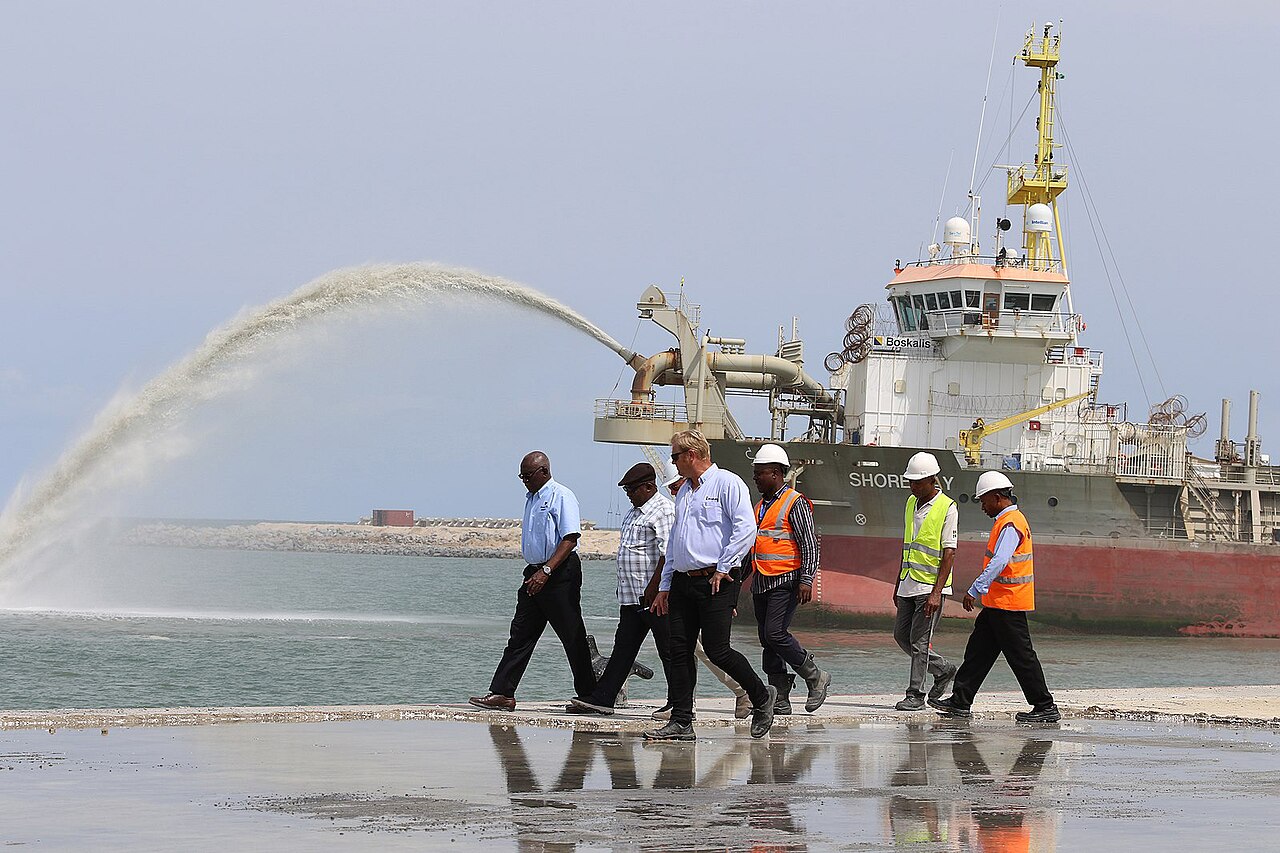
Flaring Is Still Happening
Commission data show Nigeria flared about 204 billion standard cubic feet of gas in 2025. The share of gas flared rose to 7.48% in August 2026, the highest since October 2025.
The World Bank, in its yearly satellite-based flaring tracker published on 23 June 2026, listed Nigeria among nine countries that account for more than four-fifths of global flaring. Worldwide, flaring rose for a third year in a row to 167 billion cubic metres in 2025, wasting gas worth an estimated US$54 billion.
A New Tool to Check Emissions
At the same event the commission launched the Nigerian Oil and Gas Industry Emission Tracker, a satellite-linked portal that lets users compare what companies report with satellite detections of methane. Methane is the main component of natural gas and a powerful greenhouse gas.
The Stakeholder Democracy Network, a Nigerian civil-society group, built the tool with funding from the Global Methane Hub, a climate funder. The commission will run it jointly with the Nigerian Midstream and Downstream Petroleum Regulatory Authority, the downstream and pipeline regulator.
What It Means for You
Nigeria is one of Africa’s largest oil producers, so how much gas it wastes bears on global emissions and on the fuel available for power and industry at home. Investors in African energy should read the US$2.2 billion as an invitation to bid, not as financing already secured.
Two tests will show progress: whether permit holders get a formal go-ahead to spend, and whether the commission’s monthly flaring figures turn down. More on the country is on our Nigeria news page.
What Is Not Known
It is not known which investors showed interest, how much of the US$2.2 billion is committed, or what changed from the US$2 billion projected in December 2025. We could not confirm how many of the 28 permit holders have started building.
The US$2.2 billion and the 250 million cubic feet a day are the regulator’s own estimates, and no outside body has verified them. The 7.48% share for August is also commission data.
Frequently Asked Questions
How much investment does Nigeria say flare gas capture could bring?
The regulator says about US$2.2 billion. That is its estimate of potential projects, not signed deals.
What is gas flaring?
It is the burning of gas that comes up with crude oil because it is not captured or sold. It wastes fuel and adds greenhouse gases.
Is Nigeria still flaring gas?
Yes. Commission data show about 204 billion standard cubic feet flared in 2025, and 7.48% of gas flared in August 2026, the highest share since October 2025.
What is the new emissions tracker?
It is a satellite-linked portal that compares company-reported emissions with methane detections. The two regulators will run it jointly.
Sources: Statements and data of the Nigerian Upstream Petroleum Regulatory Commission at COP31, 11 November 2026, and its December 2025 flare-gas permit announcement (NUPRC); World Bank Global Gas Flaring Tracker press release, 23 June 2026 (World Bank).
This article was produced by The Rio Times’ automated AI newsroom. Editorial responsibility: Matthias Camenzind, Publisher and Editor-in-Chief. The Rio Times also runs Ask Rio Times, which answers from 100,000+ of our own articles, the daily Latin America Power Map, and prediction-market odds on elections and markets.. How we use AI · Report an error