Nicaragua Power Concentration Draws Sharp UN Criticism
Nicaragua · Analysis
Key Facts
- —What happened Nicaragua faced sharp criticism at the United Nations Human Rights Council in Geneva on 16 September 2026.
- —What the report covers The period from 15 June 2025 to 15 June 2026, in a study mandated by the Council itself.
- —What the report counted 5,539 civil society entities dissolved in eight years, at least 56 media outlets closed, at least 46 people detained.
- —The catch The latest reform still needs a second legislative reading, scheduled for January 2027, before it is ratified.
- —When people next vote The reform would postpone elections to late 2028 and extend mandates from six years to seven.
- —Who runs the country Daniel Ortega, 80, and Rosario Murillo, 75, hold a co-presidency created by the 2025 constitutional reform.
Volker Turk told the Human Rights Council in Geneva that the situation is utterly indefensible. A September reform extends mandates and delays the vote.

Nicaragua power concentration drew unusually blunt language from the United Nations this week, in a report to the Human Rights Council. “The situation is utterly indefensible,” said Volker Turk, the UN High Commissioner for Human Rights.
He was presenting a report on Nicaragua to the Human Rights Council in Geneva on 16 September 2026. The Council itself had mandated the report.
What the report found
The document is titled “Human Rights Situation in Nicaragua”. It covers the period from 15 June 2025 to 15 June 2026.
Over the last eight years, 5,539 civil society entities have been arbitrarily dissolved. At least 56 media outlets have been closed.
At least 46 people were in arbitrary detention at the end of the period. There were at least eight ongoing cases of enforced disappearance and four deaths in State custody.
“There is almost no space for independent civic or political participation,” the report says. It adds that the State has extended repression against dissenting voices beyond the country’s borders.
Turk summarised the document in a single phrase. It traces “the near-total capture of State institutions by the ruling party”, he said.
He described a systematic abuse of power that has weakened institutional checks and balances. Most Nicaraguans, he said, are left without recourse in the face of human rights violations.
A further line from the report is equally direct. “Power is increasingly concentrated in the executive branch and the ruling party,” it states.
The Sandinista National Liberation Front, the governing party, holds all 153 municipalities. It also holds both Caribbean coast regional councils and the legislative majority.
“There is almost nothing left to shut down,” Turk said.
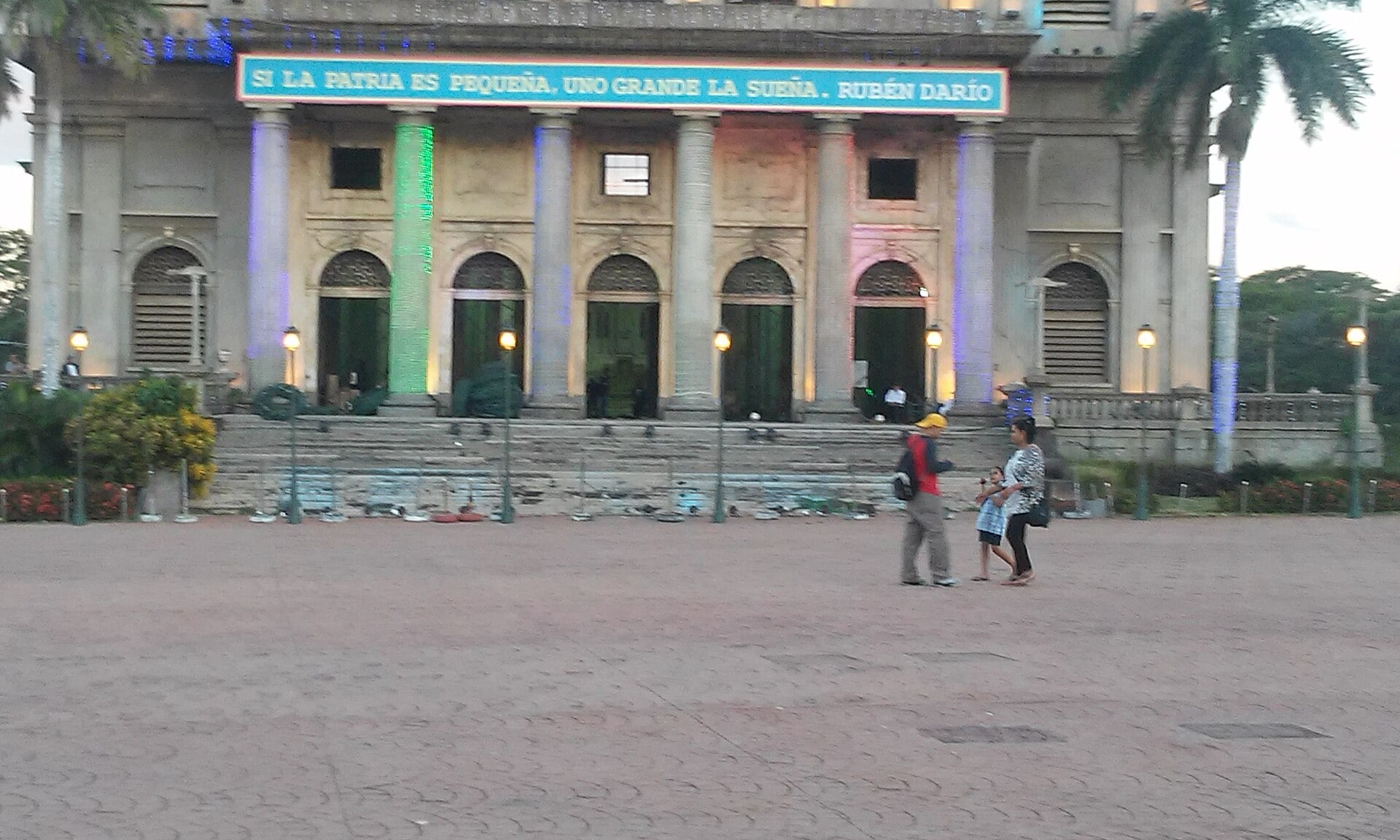
The 2025 reform that built Nicaragua power concentration
Nicaragua’s constitutional reform entered into force on Wednesday 19 February 2025, on publication in the official gazette La Gaceta. It created the office of co-president alongside the president.
Rosario Murillo, President Daniel Ortega’s wife and until then vice-president, took the new office. The presidential term went from five years to six.
The text states that the presidency directs the Government and coordinates the legislative, judicial, electoral, fiscal and autonomous bodies. It no longer shares power with them.
The presidency was also made Supreme Command of the Army, the National Police and the Ministry of Interior. The reform provided for state monitoring that media do not serve foreign interests or divulge false news.
In all, 148 of 198 constitutional articles were reformed and 37 were repealed. Among the repealed provisions was the prohibition against torture.
The September 2026 reform and the 2028 elections
On 1 and 2 September 2026 the National Assembly approved a further reform in first reading. It passed by unanimous show of hands at a special session in León.
It amends Article 47 to bar people designated “traidores a la patria” from standing for or holding public office. The phrase means traitors to the homeland.
At least 452 opponents have been stripped of citizenship under that designation. They include the writers Sergio Ramírez and Gioconda Belli.
The bar also covers those involved in coup attempts and those deemed to undermine independence, sovereignty or security. That includes seeking foreign intervention, organising with foreign financing, or supporting economic or financial sanctions.
Electoral authorities would also gain new powers to dissolve parties and sanction candidates. Mandates would go from six years to seven.
The extension applies to the co-presidents, deputies, mayors, and judicial and electoral magistrates. It also covers the attorney general, the banking superintendent and the military and police chiefs.
Ratification requires a second legislative reading, scheduled for January 2027. The reform would postpone elections to late 2028.
If re-elected then, Ortega and Murillo could remain in power until 2036. Ortega is 80 and has governed continuously since 2007, and Murillo is 75.
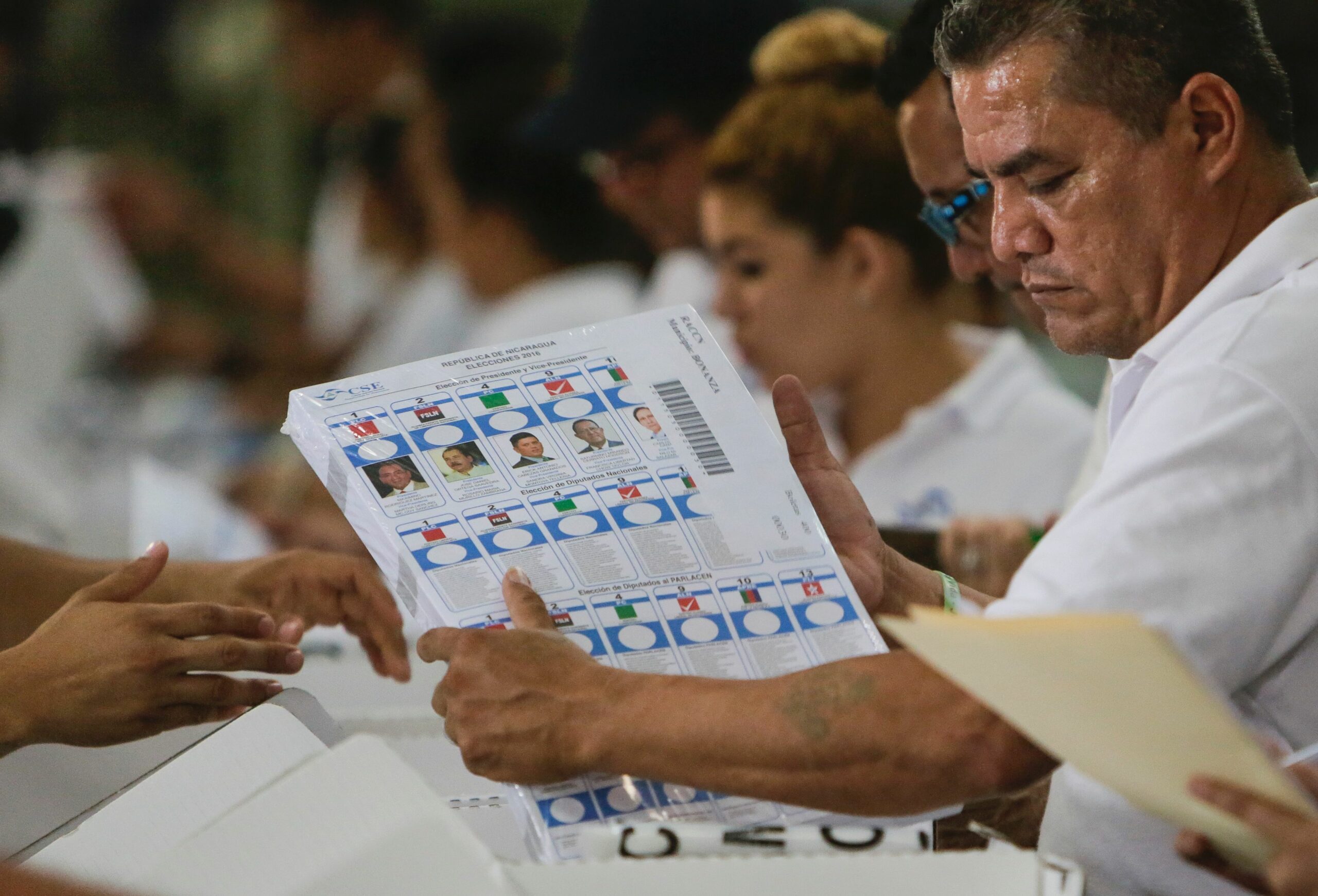
The succession argument, and who is making it
Cetcam, the Centro de Estudios Transdisciplinarios de Centroamérica, is quoted collectively in an EFE wire of 16 September 2026. Its reading is that the handover is being rushed.
“La dictadura avanza con prisas en la sucesión dinástica”, it said, specifically moving power from Daniel Ortega to Rosario Murillo. It calls the September reform an attempt to close any remaining legal gap.
The changes, Cetcam adds, began in 2025 with the imposition of what was practically a new constitution. Two named researchers make a sharper argument.
Luis Rivas and Manuel Orozco of the Inter-American Dialogue published it on 24 August 2026. “Nicaragua is today the most authoritarian regime in the Western Hemisphere and a family dynasty,” they wrote.
Their point is that the constitutional designation of Murillo as successor may not hold. In highly personalised autocracies, they argue, power transfer depends on those who control the coercive forces.
Rebecca Bill Chavez, president and chief executive of the Inter-American Dialogue, reads the September reform as insurance. “The objective is to ensure there is as little uncertainty as possible about what happens after Ortega,” she said.
Most of Ortega and Murillo’s children hold key government positions. Nicaragua power concentration is, on this reading, a family matter as much as a party one.
What it means for people with a business or a family there
Nicaragua power concentration removes the ordinary places to appeal a decision. With 5,539 civil society entities dissolved, little now sits between a citizen and the State.
A 2025 change also eliminated dual citizenship, so acquiring another nationality means losing the Nicaraguan one. That matters directly to anyone holding property or a company in the country.
Neither date is settled. The reform has passed only its first reading, with a second scheduled for January 2027.
More: Nicaragua coverage, every day from The Rio Times.
Frequently Asked Questions
Who governs Nicaragua?
Daniel Ortega, a former Sandinista guerrilla leader, has governed continuously since 2007 and is 80 years old. His wife, Rosario Murillo, is 75 and was vice-president until a constitutional reform created the post of co-president in February 2025. She now holds that office alongside him. Their party, the Sandinista National Liberation Front, holds all 153 municipalities and the majority in the legislature.
What did the United Nations actually say?
Volker Turk is the UN High Commissioner for Human Rights. He presented a report on Nicaragua to the Human Rights Council in Geneva on 16 September 2026. He called the situation “utterly indefensible” and said the report traces “the near-total capture of State institutions by the ruling party”. Speaking of the space left for civil society, he added that “there is almost nothing left to shut down”. The report covers the year from 15 June 2025 to 15 June 2026.
What does the September 2026 reform change?
It bars anyone designated a traitor to the homeland from standing for or holding public office. At least 452 opponents have already been stripped of citizenship under that label, including the writers Sergio Ramírez and Gioconda Belli. It also extends mandates from six years to seven, across the co-presidency, the legislature, the courts and the security chiefs. Elections move to late 2028, and the text still needs a second reading in January 2027.
Why do analysts talk about a succession?
Because the reforms of 2025 and 2026 together move authority towards Rosario Murillo and remove legal obstacles to her rise. Cetcam, a Central American research centre, says the dynastic succession is advancing in haste. Luis Rivas and Manuel Orozco of the Inter-American Dialogue argue that the constitutional designation may not be decisive. In highly personalised systems, they write, a transfer of power depends on those who command the coercive forces.
Sources: Arab News and AFP on the High Commissioner’s remarks, Mirage News reproducing the OHCHR statement, Scoop on the report presented in Geneva, OHCHR on the earlier July warning, Infobae and AFP on the 2025 constitutional reform, Infobae and EFE on the September 2026 reform, Tico Times on extended mandates and the 2028 vote, Infobae and EFE on the Cetcam succession analysis, Inter-American Dialogue on the perils of a planned succession, Artículo 66 on the end of dual citizenship
This article was produced by The Rio Times’ automated newsroom system. How we use AI · Report an error
Read More from The Rio Times