Nicaragua Bars Opposition Parties From Elections
NICARAGUA · POLITICS
Key Facts
- —What happened Nicaragua’s National Assembly approved a constitutional reform on 1 September 2026 that bars most opposition parties from elections.
- —The scale The reform rewrites twelve constitutional articles and stretches the president’s term from six to seven years.
- —What it means The move extends single-party control over the presidency, Congress and the military for years to come.
- —The catch The reform still needs a second Assembly vote starting 18 January 2027 before it takes full effect.
- —Who’s affected Eleven exiled opposition parties called the reform a plan to bury Nicaragua’s popular sovereignty for good.
- —What comes next Washington is urging allies to isolate Nicaragua’s government through the Organization of American States, a regional body.
Nicaragua’s ruling party used a single vote to lock the opposition out of future elections for good.
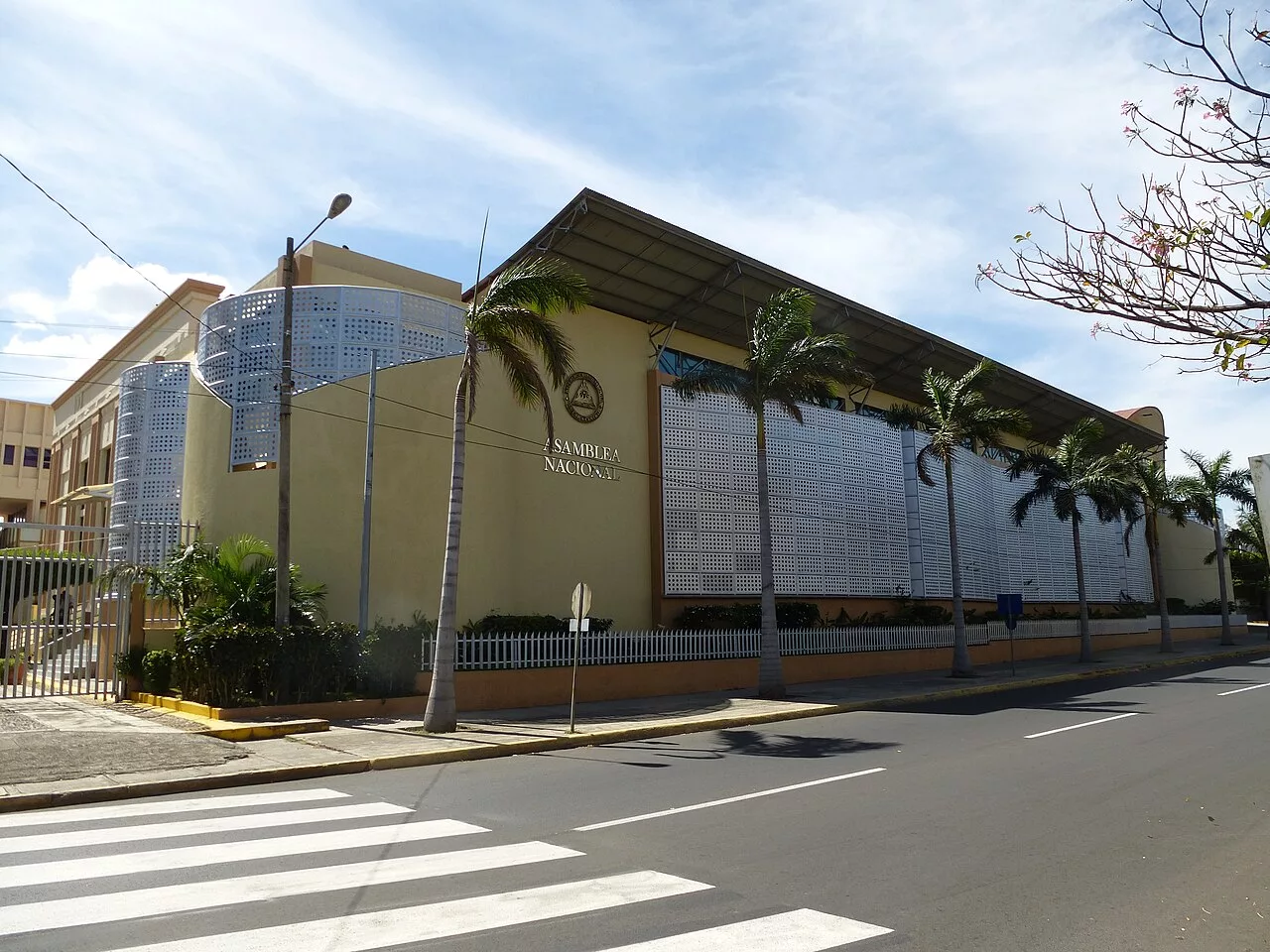
Nicaragua’s National Assembly approved a sweeping constitutional reform on Tuesday, September 1. The new rules permanently bar most opposition parties from ever running in elections.
Eleven exiled opposition parties denounced the vote on Saturday, September 5. They called it a “constitutional rupture” meant to bury Nicaragua’s popular sovereignty.
What the Reform Changes
The reform rewrites twelve articles of Nicaragua’s constitution. It stretches the terms of the presidency, Congress and mayors’ offices from six to seven years.
Top military and police commanders get the same seven-year extension. Nicaragua’s next presidential election is now due in 2028, not 2027.
National Assembly President Gustavo Porras oversaw the vote. Lawmakers approved the reform by a show of hands, with no recorded opposition votes.
The changes also move the presidential inauguration date from January 10 to January 18. Nicaragua’s government says the new date honors the poet Rubén Darío.
Nicaragua already rewrote parts of its constitution in January 2025. That earlier reform gave the presidency expansive new powers.
The reform also raises an existing candidate ban to constitutional rank. It targets people the government brands “traitors to the homeland.”
That label already covers exiles who ask foreign governments for sanctions. It also covers anyone who calls for outside military help.
Opposition Calls It a “Constitutional Rupture”
Eleven opposition parties and platforms in exile signed a joint statement on Saturday. They said the Assembly acted “with rapidity, by unanimity and without citizen scrutiny.”
The groups accused the government of building a “totalitarian and dynastic model.” They called the reform a new “rupture of the constitutional order.”
The signatories included Ciudadanos por la Libertad, Unidad Nacional and the Plataforma de Unidad por la Democracia. Nine other exiled parties and platforms also signed the statement.
The statement said the changes aim to “formally bury” the principle of popular sovereignty. The Nicaraguan Assembly has excluded independent lawmakers for years, the groups noted.
Washington Pushes to Isolate the Government
Secretary of State Marco Rubio urged allies to cut ties with Nicaragua’s government. He said dictatorships “should not enjoy the same economic or political benefits” as democracies.
Rubio called the reform proof of a “war on democracy” in the region. The United States wants the Organization of American States (OAS) to act against Managua.
President Daniel Ortega responded defiantly. He said his government and army “will never be bought and never surrender,” according to Euronews.
Senators Ted Cruz and Tim Kaine introduced a separate bipartisan bill on August 7. It would extend US sanctions on Nicaragua through 2035.
The bill also targets Nicaragua’s gold sector, its top export. It would suspend the country’s trade benefits under a regional free-trade deal.
A Congressman’s Transition Plan
US Representative Mario Diaz-Balart weighed in on Thursday, September 3. He said the United States and its allies should make a democratic transition in Nicaragua their top priority, according to Artículo 66.
Diaz-Balart chairs the House subcommittee that oversees foreign aid spending. That panel controls much of the aid money the region receives.
Diaz-Balart pointed to a US spending bill covering fiscal year 2027. According to Artículo 66, it would require the State Department to draft a formal transition plan for Nicaragua.
He called the reform Nicaragua’s second full constitutional rewrite in two years. Diaz-Balart said it proves old “business as usual” US policy toward Managua must end.
Other Florida Republicans have also pressed for tougher Nicaragua measures this year. Representative Maria Elvira Salazar introduced a separate sanctions bill in January.
Neighbors and the OAS React
Costa Rica, Peru and Guatemala all criticized the reform within days. Costa Rica called it a step that “limits” further political participation, per Infobae.
Peru’s foreign ministry warned the changes could open the door to “perpetual rule.” Guatemala said political plurality and the “alternation of power” are essential to democracy.
The European Union and the United Nations also condemned the reform. Both cited threats to Nicaragua’s remaining democratic institutions, Infobae reported.
Brazil voted against even discussing the reform at the OAS. Mexico abstained from that vote, according to Infobae.
The OAS Permanent Council had already voted on August 19 to call an emergency meeting on Nicaragua. That meeting of foreign ministers opened on September 3.
OAS Secretary General Albert Ramdin urged member states to consider real sanctions. He wants “individual and collective decisions to punish” Nicaragua, not just symbolic statements.
Argentina’s OAS ambassador Carlos Cherniak linked the crackdown to organized crime risks. He asked whether a government that “cancels democracy” invites criminal groups in.
Nicaragua formally left the OAS back in 2023. That already limits how much direct influence the organization holds over Managua.
What Comes Next
The reform still needs a second vote in the Assembly. That second vote cannot happen before January 18, 2027.
Until then, Nicaragua’s next elections remain formally scheduled for 2028. Opposition groups and foreign governments say that date offers little hope for a genuinely free vote.
Opposition leaders in exile say they see little chance of reversing the reform from abroad. They are instead pressing Washington and Brussels for tougher sanctions.
More: Nicaragua news in English, every day from The Rio Times.
Frequently Asked Questions
What does Nicaragua’s new reform actually do?
It rewrites twelve constitutional articles, stretches most elected terms to seven years and raises an opposition ban to constitutional status.
Who is excluded from running under the new rules?
The reform bars candidates the government calls “traitors to the homeland.” That label already covers exiles who ask for foreign sanctions or military help.
Has the reform already taken effect?
Not yet. It still needs a second Assembly vote that cannot happen before 18 January 2027.
Why are opposition parties calling this a “constitutional rupture”?
Eleven exiled opposition parties say the reform was rushed through without real debate. They believe it aims to bury Nicaragua’s popular sovereignty for good.
What is the United States doing in response?
Secretary of State Marco Rubio is urging allies to isolate Nicaragua’s government through the Organization of American States. A Florida congressman is separately pushing for a formal transition plan.
Sources: Infobae, Confidencial, Al Jazeera, Euronews, Buenos Aires Times, Artículo 66, the Organization of American States, and The Rio Times Online.
This article was produced by The Rio Times’ automated newsroom system. How we use AI · Report an error · Editorial responsibility: Matthias Camenzind, Editor-in-Chief