Nicaragua Deaths in Custody: UN Experts Blame the State for Eight Since 2018
Nicaragua · Human Rights
Key Facts
- —What happened UN human rights experts presented a report on 22 September 2026 blaming Nicaragua’s government for at least eight deaths of political detainees.
- —Who wrote it The Group of Human Rights Experts on Nicaragua, three independent jurists set up by the UN Human Rights Council in 2022.
- —What it counted At least 161 enforced disappearances verified since April 2018, with 29 people still missing at the end of August 2026.
- —The best-known case Miskito Indigenous leader Brooklyn Rivera, 73, whose death in custody was announced on 31 May 2026 after 32 months in detention.
- —The catch No court has ruled on the findings, and Nicaragua announced in February 2025 that it was leaving the Council.
- —What Managua says The government did not answer requests for comment from the Associated Press and Reuters on the report.
A UN expert panel says eight political prisoners have died in state custody since 2018 and 161 people were forcibly disappeared. The government did not respond to requests for comment.
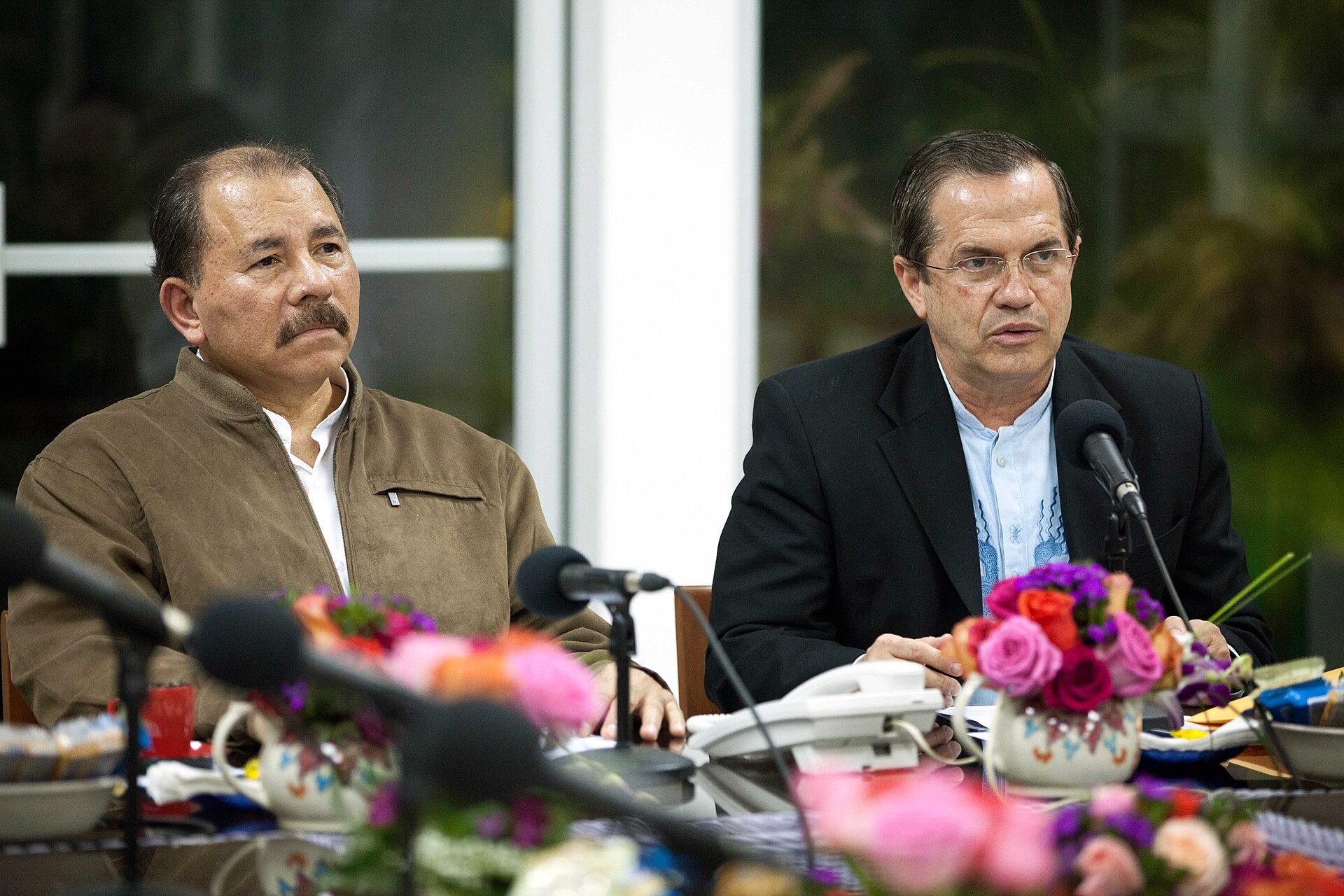
Nicaragua deaths in custody are no accident of neglect, a panel of United Nations experts says. Its report blames the government for eight deaths of political detainees since 2018.
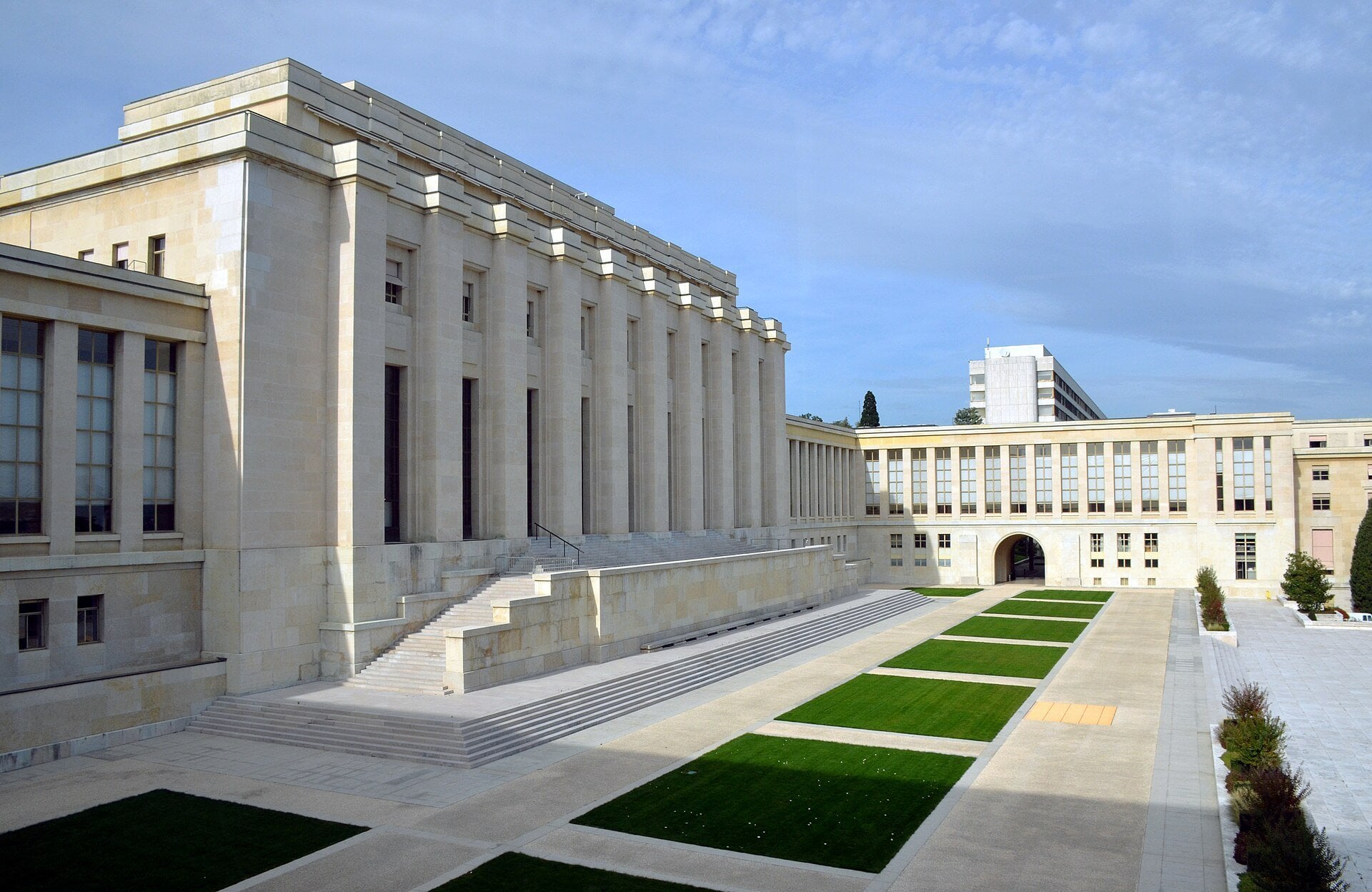
The Group of Human Rights Experts on Nicaragua presented it to the UN Human Rights Council in Geneva on 22 September 2026. It is titled “Anatomy of State Cruelty”.
The group also verified 161 cases of enforced disappearance since April 2018. Twenty-nine of those people were still missing at the end of August 2026.
The group’s chair, the German jurist Jan-Michael Simon, spoke of states that disappear people and let them die in custody. Such a state “falls short of the minimum human rights standards required for credible democratic governance,” he said.
Who the experts are
The group is made up of three independent jurists appointed by the Human Rights Council, a UN body of member states. The Council set it up in 2022.
Besides Simon, its members are Ariela Peralta Distefano of Uruguay and Reed Brody, a lawyer listed by the UN as Hungarian. Its mandate covers alleged violations committed in Nicaragua since April 2018.
That month, protests against President Daniel Ortega were met with a violent crackdown that left more than 300 dead, Reuters reported. A mass exodus of Nicaraguans followed.
Ortega, a former Marxist guerrilla, now shares power with his wife, Rosario Murillo. A constitutional reform in 2025 made her co-president.
Eight names, one pattern
The report names the eight dead, according to the Spanish news agency EFE. They are Eddy Antonio Montes, Santos Sebastián Flores, Jorge Hugo Torres, José Modesto Solís and Mauricio Francisco Alonso.
The list also includes the lawyer Carlos Cárdenas, Humberto Ortega and Brooklyn Rivera. Humberto Ortega, Daniel Ortega’s estranged brother and a former defence minister, died in a military hospital in September 2024.
The experts said they could not verify the circumstances of his death. They raised “serious concerns” about whether he received timely care, EFE reported.
Most of the dead were elderly or chronically ill, according to Infobae’s account of the report. The experts found that denial of medicine, clean water and proper food sped their decline.
The deaths were “the foreseeable result” of systematic, deliberate and coordinated acts, the report concludes. It names the police, the prison service, the interior ministry and the judiciary.
The death of Brooklyn Rivera
Brooklyn Rivera, 73, was a Miskito Indigenous leader and founder of Yatama, a party of Nicaragua’s Caribbean coast. Police arrested him at his home in Bilwi on 29 September 2023, without a warrant.
His family was not told where he was held, the experts found. His death in custody was announced on 31 May 2026, after 32 months in detention.
The official statement linked his death to complications of an earlier COVID-19 infection. Statements in the days before had never mentioned it, the Associated Press reported.
Physicians for Human Rights, a US medical advocacy group, called that explanation “not medically coherent”. No independent autopsy or investigation was ordered, the report said.
“The government of Nicaragua took from Rivera his liberty, then his health, and finally his life,” Brody said, in EFE’s Spanish rendering. At least six relatives and two associates of Rivera were detained after his death, the group found.
Disappearance as a tool
Since 2023, the experts say, disappearances have grown longer and targets wider. Church members, Indigenous leaders and former state and military officials are now among them, Reuters reported.
Simon told EFE that the method no longer aims only to punish individuals. It is used “to terrorise families, even entire communities”, he said.
The imprisonment, torture, disappearances and persecution they documented amount to crimes against humanity, the experts said, Reuters reported. No court has ruled on those findings.
The report says there are reasonable grounds to believe the repressive apparatus runs under the co-presidents’ centralised control. It urges other states to use universal jurisdiction, which lets national courts try grave crimes committed abroad.
Managua’s silence
The government did not respond to a request for comment from the Associated Press. Nicaragua’s mission in Geneva did not immediately answer Reuters either.
Murillo has said Rivera received medical care and family support throughout his illness, the Associated Press reported. Nicaragua announced in February 2025 that it was leaving the Human Rights Council.
The report is separate from one presented on 16 September 2026 by the UN human rights office. That office counted at least four deaths in state custody in the year to 15 June 2026.
“Until Nicaragua has institutions capable of responding, accountability will have to come from outside,” Brody said, according to EFE. The experts asked Managua to reveal where the 29 missing people are held.
More: Nicaragua coverage, every day from The Rio Times.
Frequently Asked Questions
What did the UN experts find about Nicaragua deaths in custody?
The Group of Human Rights Experts on Nicaragua documented eight deaths of political detainees in state custody since 2018. It said they were the foreseeable result of systematic acts by the police, prison service, interior ministry and judiciary. It also verified 161 enforced disappearances since April 2018, with 29 people still missing at the end of August 2026.
Who is Brooklyn Rivera?
He was a Miskito Indigenous leader and founder of Yatama, a party of Nicaragua’s Caribbean coast. Police arrested him without a warrant on 29 September 2023. His death in custody was announced on 31 May 2026. The experts said the government’s account of his death was inconsistent and that no independent autopsy was allowed.
How did Nicaragua’s government respond?
It did not answer requests for comment from the Associated Press and Reuters on the report. Co-President Rosario Murillo has said Rivera received medical care and family support throughout his illness. Nicaragua announced in February 2025 that it was leaving the UN Human Rights Council.
Is this the same as the UN report of 16 September 2026?
No. That report came from the UN human rights office, led by Volker Türk, and covered the year to 15 June 2026. The 22 September report comes from a separate panel of three independent experts and covers the period since April 2018.
Sources: Associated Press on the eight deaths and the Rivera case, Reuters on the crimes against humanity finding, EFE on the report and the eight names, EFE interview with the group’s chair, Infobae on Brooklyn Rivera’s detention, Divergentes on the official medical statements, Confidencial on the report’s findings, UN human rights office report of 16 September 2026, UN page of the Group of Human Rights Experts on Nicaragua
This article was produced by The Rio Times’ automated newsroom system. How we use AI · Report an error
Read More from The Rio Times