Namibia Governor Pitches 5 Goats Each for Kunene Mine

NAMIBIA · MINING
Key Facts
- —The country Namibia is a dry, thinly populated country of about 3 million people on Africa’s south-west coast, with an economy built heavily on mining.
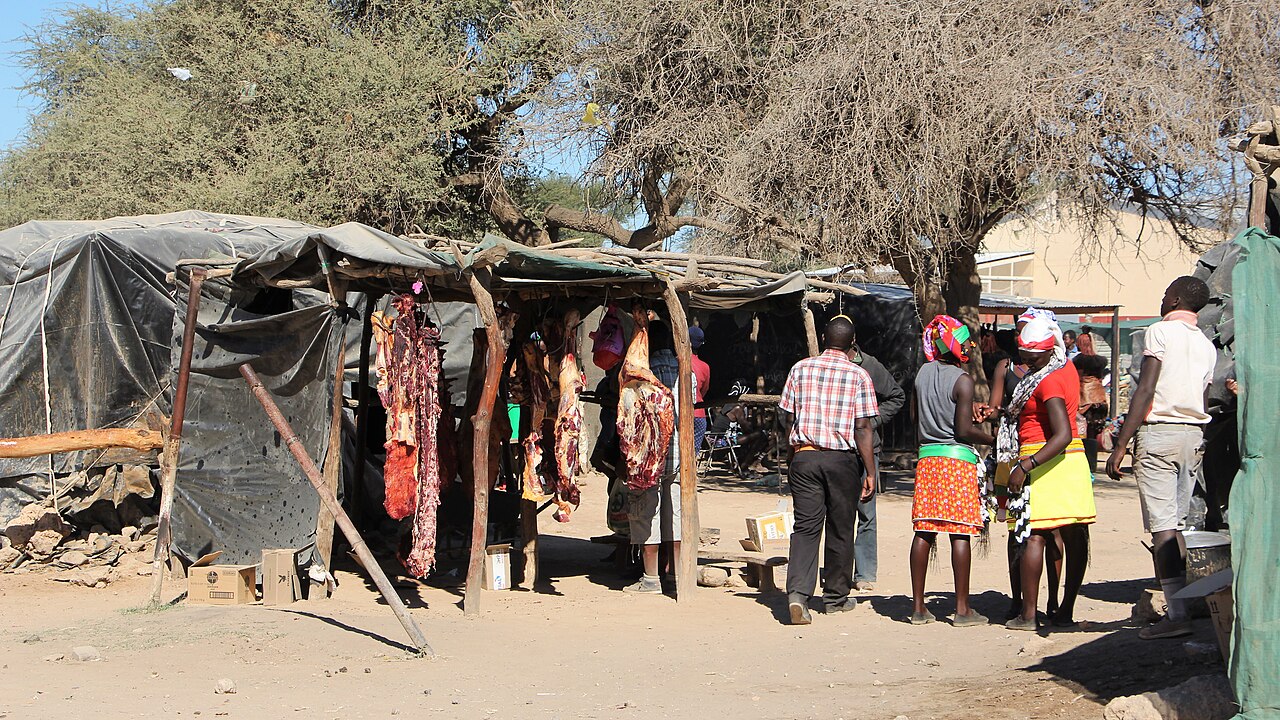
- —The region Kunene is Namibia’s rugged north-west, where many families herd cattle and goats on communal land now sought by prospectors.
- —What happened Governor Vipuakuje Muharukua proposed that residents pool money to own a Kunene mine, The Namibian reported on Sunday 11 October.
- —The numbers His example: 500 residents selling five goats each could raise N$5 million (about US$303,000).
- —The caution Andreas Salom of the state investment agency said crowdfunding suits lower-risk infrastructure better than high-risk exploration.
- —Still open No company, mineral, licence, site, legal structure or fundraising target has been named.
A Kunene mine owned by local people is what Governor Vipuakuje Muharukua is proposing for Namibia’s dry north-western herding region. Residents should pool their savings, even by selling goats, to buy into mining, he said, as The Namibian reported on Sunday 11 October.
For US investors watching African minerals, the pitch shows what a host region is asking for: ownership, not only jobs and charity. A mining expert at Namibia’s state investment agency, quoted in the same report, warned that crowdfunding suits safer projects better than exploration.
What the Kunene Governor Proposed
Muharukua spoke on Wednesday 7 October at the first Kunene Regional Mining Summit in Opuwo, the regional capital, according to The Namibian. Under Namibia’s constitution, the president appoints regional governors as political heads of the regions and the link to the national government.
He said he would call meetings with residents to decide how to gather the money. He also wants them to buy into exploration, the early and uncertain search for ore.
“Wealthy people invest in exploration activities and have a stake in those businesses,” he said.
“If we are 500 and each of us has five goats,” he said, residents could raise N$5 million (about US$303,000) by selling them. That implies about N$2,000 (about US$121) a goat, at about 16.5 Namibian dollars to the US dollar on 12 October 2026.
From those goats, he said, could come “one mine owned by the people of the Kunene region.”
He hopes to take a crowdfunded plan for a Kunene mine to the Mining Indaba, an investment conference in Cape Town. The next one runs from 8 to 11 February 2027.
The Namibian dollar is pegged one-to-one to the South African rand, so the sums move with the rand against the US dollar.
Why Grazing Land Sits at the Heart of the Pitch
His case for a Kunene mine owned by residents rests on land. Every company interested in mining in the region visits his office offering jobs and corporate social responsibility (CSR) projects, he said.
CSR means the donations and community schemes that firms fund to win local support. He argued that where mines now operate, there used to be grazing.
If that grazing is gone, he said, it must be replaced “not through CSR but through ownership.” For herding families, lost pasture means fewer animals and less income.
In July, the governor said the region counted 1,827 mining claims, granted or applied for, by 24 June, The Namibian reported. It also had 611 exclusive prospecting licences, which give a holder the sole right to search for minerals in an area.
Only seven mining licences had been granted by then, he said. Fees and penalties on Kunene’s mineral rights raised N$5.55 million (about US$336,000) in the 2025/26 financial year, close to his goat sum.
What the State Investment Agency Cautioned
Andreas Salom, a mining expert at the Namibia Investment Promotion and Development Board, the government agency that courts investors, took a more careful line. He said crowdfunding has been used successfully for infrastructure projects in Ethiopia and Botswana.
Salom recommended it for lower-risk infrastructure, not high-risk exploration. Responsible financing, he said, must protect existing livelihoods and pay to rehabilitate the land as well as to explore it.
He said crowdfunding might be a way for Kunene residents to take part in mining. For the region, he proposed a voluntary, audited pilot in a shared asset such as water or local business services.
Good projects, he added, are bankable and have many financing routes. They need a buyer for their output, a trusted team and clear communication with the community, Salom said.
Once there is enough evidence of minerals and safeguards, he said, investors can justify the risk of joining.
The summit closed on Friday 9 October with Modestus Amutse, the Minister of Industries, Mines and Energy, standing in for President Netumbo Nandi-Ndaitwah, NAMPA reported. The state news agency said he called for coordinated action so that local communities benefit from the region’s minerals.
How Crowdfunding a Mine Works and Where It Can Fail
Crowdfunding means raising small sums from many people, usually online, in return for a share, a loan or a reward. In mining, the money normally buys a stake in a company that holds a licence.
A crowdfunded Kunene mine would face the usual hazards. Exploration is the riskiest stage, because drilling can show there is too little ore to mine at a profit.
In that case, the money already spent does not come back.
Small stakes in private projects are also hard to sell, and later funding rounds can shrink early holders’ shares. Goats sold to raise money cannot easily be replaced if a project fails.
Community schemes also need clear rules on who holds the shares, who manages the money and how members are kept informed.
What It Means for US Readers
For US mining companies and funds, the pitch signals the terms that host communities in Namibia may seek. In Kunene, the governor wants ownership stakes for residents rather than only jobs and social spending.
Foreign money is already flowing into Kunene itself, as Japan’s July bet on rare earths at Lofdal in the region showed. Rare earths go into the magnets of electric motors, a supply chain the United States wants to widen beyond China.
In the United States, crowdfunding is tightly regulated. Under the Securities and Exchange Commission’s Regulation Crowdfunding rules, a company can raise at most US$5 million in 12 months.
Offers must run online through a registered broker-dealer or funding portal, and shares generally cannot be resold for one year. No company or fund for the proposed Kunene mine has been named, so there is nothing yet to invest in.
What Is Not Known
Muharukua has not named a company, a mineral, a licence or a site for the Kunene mine. The N$5 million (about US$303,000) was an example of what residents could raise, not a target.
It is not known who would hold residents’ money, which regulator would oversee a scheme or how members could exit. The dates of his meetings with residents have not been announced.
More: Namibia news in English, every day from The Rio Times.
Frequently Asked Questions
What is the Kunene mine crowdfunding idea?
Kunene’s governor, Vipuakuje Muharukua, wants residents of the Namibian region to pool money, even by selling goats, to own a Kunene mine. He made the pitch at a mining summit in Opuwo, and The Namibian reported it on 11 October.
How much money would residents raise?
No target has been set. The governor’s example was 500 people selling five goats each to raise N$5 million (about US$303,000).
Why does the governor want ownership rather than company aid?
He says mines now stand on land that was once grazing for livestock. He wants that loss replaced through ownership stakes, not corporate social projects.
What risks did the state investment agency raise?
Andreas Salom of the Namibia Investment Promotion and Development Board said crowdfunding suits lower-risk infrastructure better than high-risk exploration. He said financing must protect livelihoods and pay for land rehabilitation.
Can foreign investors take part in a Kunene mine?
No company or fund for a Kunene mine has been named yet, so there is nothing to invest in. In the United States, public crowdfunding offers are capped at US$5 million in any 12 months and must run through a registered intermediary.
Sources: The Namibian, “Crowdfunding for a Kunene mine”, 11 October 2026; NAMPA, “Kunene mining summit concludes with call for action”, 10 October 2026; The Namibian, “Kunene mining rights climb to 2 438”, 6 July 2026; US Securities and Exchange Commission, Regulation Crowdfunding, accessed 12 October 2026; Mining Indaba 2027, accessed 12 October 2026.
This article was produced by The Rio Times’ automated newsroom system. How we use AI · Report an error · Editorial responsibility: Matthias Camenzind, Editor-in-Chief
LatAm Markets: Live Signals → — real-time movers, turnover leaders and FX across Latin America.