Morocco Election Rules Cap What Candidates Can Spend on Artificial Intelligence
Morocco · Politics
Key Facts
- —What is being voted on All 395 seats in Morocco’s lower house of parliament, on Wednesday 23 September.
- —The spending ceiling Each candidate may spend 600,000 dirhams, about US$63,000, on the whole campaign.
- —The unusual part No more than a third of that may go on digital and artificial-intelligence campaigning.
- —Who decides the government The King appoints the head of government from whichever party finishes first.
- —What business wants The employers’ confederation published five economic priorities for the next government last week.
- —What changed for women All ninety regional-list seats are now reserved for women, up from a candidacy quota.
Most countries regulating artificial intelligence in elections do it by demanding labels and banning deepfakes. Morocco has done something different. It has put a ceiling on how much money a candidate may spend on the technology at all.
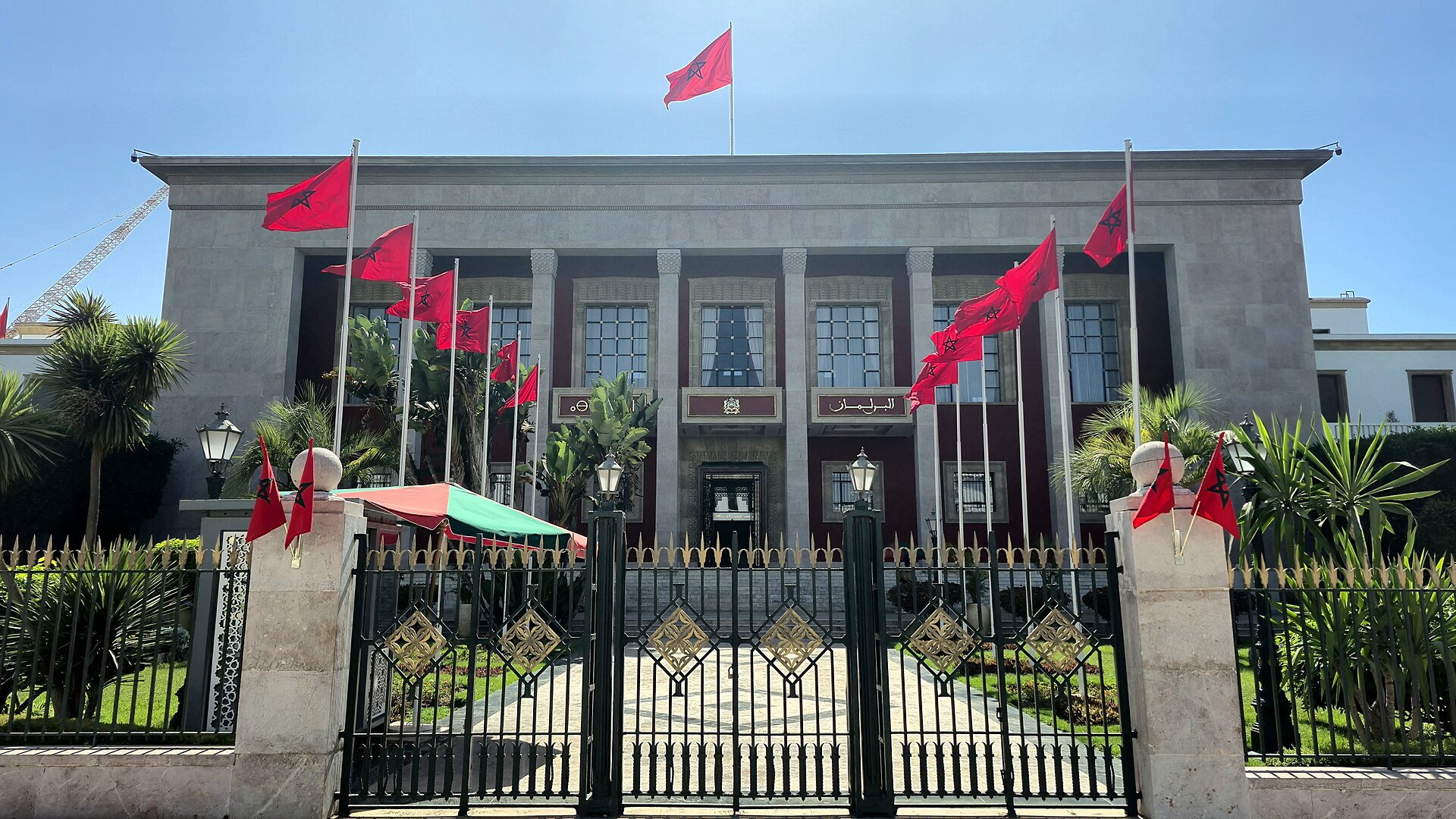
The Morocco election on 23 September is being fought under a rule that has few parallels anywhere. Candidates may spend no more than a third of their campaign budget on digital and artificial-intelligence campaigning.
The Rule Itself
A decree adopted in March raised the overall ceiling to 600,000 dirhams a candidate, about US$63,000. The previous limit was 500,000 dirhams, roughly US$53,000.
Within that, online spending is capped at one third. For an individual candidate that is 200,000 dirhams, near US$21,000.
The scope is drawn deliberately wide. It covers all social networks and artificial-intelligence tools, along with any electronic platform or application using the internet or computer software.
Inside that category sit advertising, audiovisual communication and the purchase of equipment. List-level ceilings apply separately, at 800,000 dirhams for local lists and 1.5 million for regional ones, about US$85,000 and US$159,000.
What makes this unusual is the instrument rather than the intent. Other jurisdictions regulate artificial intelligence in elections through disclosure, labelling and prohibitions on deepfakes.
American state laws, the European Union’s transparency duties and Indian electoral advisories all work that way. A monetary sub-cap on the technology itself is not something found elsewhere.
That said, an exhaustive claim would be hard to defend. Unusual is a safer word than unique.
What Is Being Elected
All 395 seats in the Chamber of Representatives are contested. Three hundred and five come from 92 local constituencies and 90 from twelve regional ones.
The upper house is not part of this vote. Campaigning opened on 10 September and closes at midnight on 22 September, with results expected the following night.
About 15.8 million Moroccans are registered, down from 17.9 million in 2021. Twenty-seven parties are competing in this Morocco election.
Voters aged 18 to 24 make up just three percent of the roll. That figure sits awkwardly beside the protests of last autumn.
What the Employers Asked For
The employers’ confederation adopted five economic priorities at a board meeting in Casablanca on 10 September. It is the closest thing Moroccan business has to a Morocco election manifesto.
Three of them cover private investment and the industrial base, competitiveness and value chains, and support for small firms. The other two are employment and skills, and helping Moroccan companies expand abroad.
The confederation elected a new president in May, Mehdi Tazi, with more than 91 percent of the vote. His stated aim is to make smaller firms a more powerful engine of the next growth phase.
None of the five priorities is surprising. Publishing them four days after campaigning opened is the point.
The Rules That Did Not Change
The electoral quotient still divides seats by registered voters rather than by votes cast. That method fragments parliament and makes an outright majority effectively impossible.
It is why the Morocco election produces coalitions rather than winners. Under the constitution, the King appoints the head of government from the party that comes first.
One thing did change for women. The ninety regional-list seats are now reserved entirely for women, replacing an earlier rule that two thirds of those candidates be female.
For young candidates the provision is financial rather than reserved seats. Public funding covers up to 75 percent of campaign costs for candidates under 35, paid after audit.
New parties now need 2,000 founding members drawn from every region. At least a fifth must be women and a fifth under 35, against a previous threshold of twelve people.
Moroccans abroad still cannot vote from where they live. They must travel home or vote by proxy.
The Backdrop Nobody Is Polling
There is no credible published polling in Morocco. The most recent broad survey is from February 2024 and showed four parties scattered between 15 and 20 percent.
The current government is a coalition of three parties formed in 2021, led by Aziz Akhannouch. The threshold for a majority is 198 of 395 seats.
Last September’s youth protests are the unmeasured variable. They began on 27 September 2025, drew the largest crowds since 2011, and left three protesters dead and more than 2,400 charged.
The response included roughly US$15 billion for health and education in the 2026 budget, a rise of 16 percent. The campaign subsidies for under-35 candidates came from the same moment.
The movement’s first anniversary falls four days after polling day. Nobody knows how many of its supporters will vote.
More: Africa coverage, every day from The Rio Times.
Frequently Asked Questions
When is the Moroccan election?
Wednesday 23 September 2026. All 395 seats in the Chamber of Representatives are contested, 305 from 92 local constituencies and 90 from twelve regional constituencies. Campaigning opened on 10 September and ends at midnight on 22 September.
What is the rule on artificial intelligence?
A decree adopted in March 2026 caps each candidate’s total campaign spending at 600,000 dirhams, about US$63,000, and limits online spending to one third of that, roughly 200,000 dirhams or US$21,000. The rule explicitly covers social networks, artificial-intelligence tools and any internet platform or software used in campaigning.
Who forms the government?
Under Morocco’s constitution the King appoints the head of government from the party that finishes first. Because seats are allocated using a quotient based on registered voters rather than votes cast, no party wins an outright majority, and coalition negotiation decides who governs.
Has anything changed for women candidates?
Yes. The ninety regional-list seats are now reserved entirely for women, replacing an earlier requirement that at least two thirds of regional-list candidates be female. Any claim that only a third must be women describes the position before that reform.
Sources: Medias24 on the raised campaign spending ceiling, Aujourd’hui le Maroc on the scope of the online spending rule, Government of Morocco on the election date, Le Matin on the employers’ confederation priorities, Medias24 on the regional lists and the women’s reform, Le Brief on what has and has not changed in the electoral system
This article was produced by The Rio Times’ automated newsroom system. How we use AI · Report an error
Read More from The Rio Times