India’s political scene has become a direct contest between Prime Minister Narendra Modi and Rahul Gandhi.
For the first time during Modi’s tenure, an official opposition leader, Rahul Gandhi, has emerged, introducing a new dynamic in the country’s politics.
Rahul Gandhi’s new role grants him access to significant government meetings and documents, amplifying his visibility.
His acceptance of a debate invitation from Modi underscores his readiness for direct political engagement.
This development marks a turning point, with Gandhi poised to challenge Modi’s policies head-on.
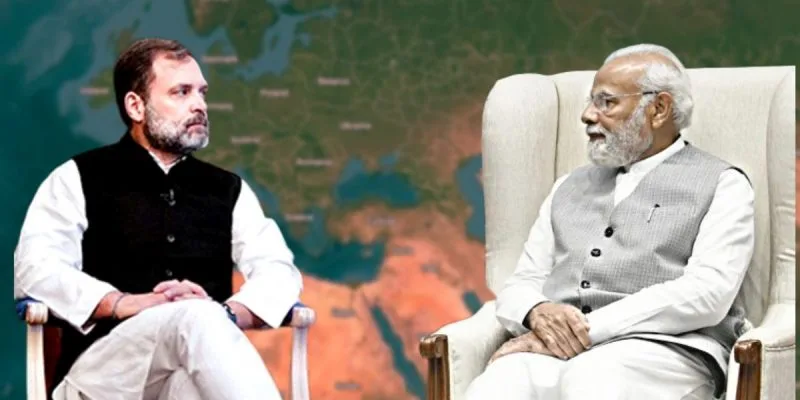
Under Gandhi’s leadership, the Congress Party strives to regain its position by forming alliances with regional parties, creating the India bloc.
Despite facing internal disagreements and defections to the BJP, Congress continues its efforts to unify opposition forces against Modi.
The coalition, though fragile, aims to present a consolidated front against the BJP’s dominance.
Prime Minister Modi remains a strong political figure, leveraging his administration’s achievements and nationalist sentiments.
His recent rallies in Chennai highlight his government’s focus on national security and economic growth, appealing to the electorate’s concerns.
India’s Political Crossroads
The Indian electorate is deeply divided on issues like unemployment, inflation, and economic distress. Many voters express dissatisfaction with the current state of affairs.
Opinion polls reveal that while Modi leads, a significant portion of the population desires change, setting the stage for a closely watched election.
Rahul Gandhi’s Bharat Jodo Nyay Yatra aims to connect with grassroots supporters and address pressing issues.
The 4,000-kilometer march emphasizes unemployment and inflation, which resonates with many Indians.
The effectiveness of this strategy against the BJP’s robust campaign remains uncertain. In summary, the Modi vs. Rahul dynamic introduces a competitive edge in Indian politics.
Gandhi’s role as opposition leader enhances democratic scrutiny and competition, vital for India’s political health.
Both leaders’ strategies and their reception by voters will significantly shape the future political landscape.
This article was produced by The Rio Times’ automated newsroom system. How we use AI · Report an error
Read More from The Rio Times