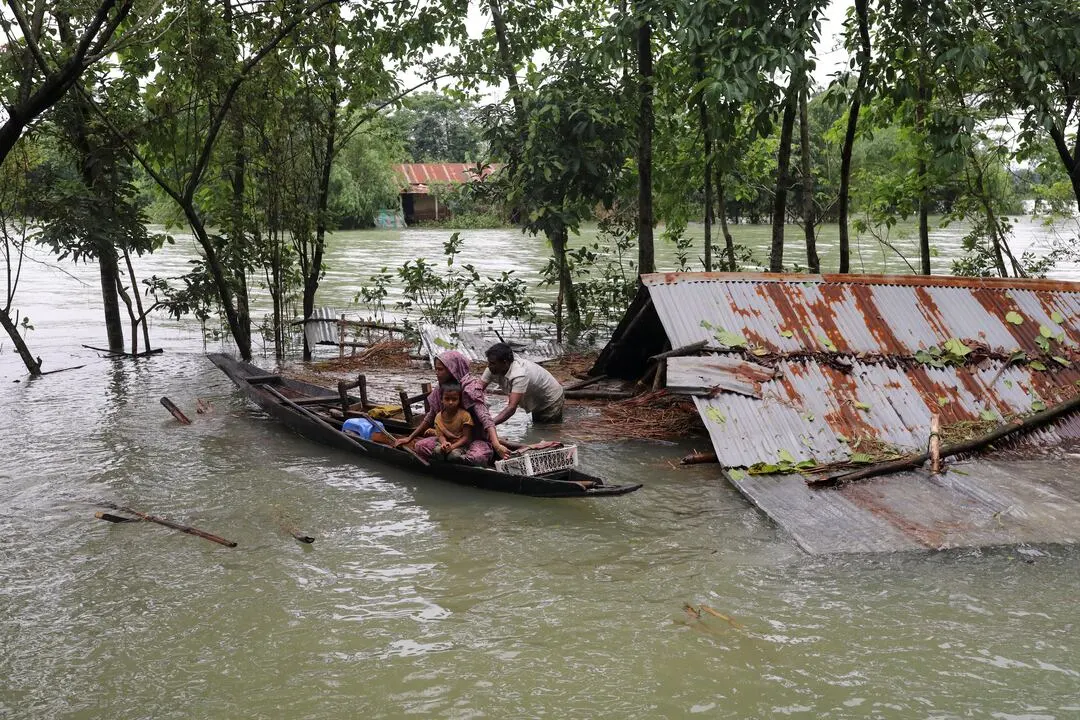
Bangladesh grapples with significant climate challenges due to its vulnerable geographic makeup of extensive rivers and low-lying coastlines.
The rising sea levels and increasingly severe cyclones pose a real threat, with projections suggesting up to one million people could be displaced by 2050.
In response, Bangladesh is actively adopting green technologies such as solar, wind, and hydropower.
These efforts are aimed at reducing carbon emissions and mitigating the impact of climate change.
While these technologies provide environmental protection, they also serve as new avenues for economic development.
Alongside environmental initiatives, Bangladesh is undergoing economic reforms intended to secure a more prosperous future.
The government has set a target to increase labor productivity by 1.5% annually to reach high-income status by 2050.
This economic shift is occurring alongside demographic changes, including an aging population that requires more comprehensive social services and healthcare.
Development activities, however, often lead to environmental degradation, such as the clearing of mangrove forests.
These forests act as natural barriers against storms and erosion, and their removal increases the country’s vulnerability to natural disasters.
Bangladesh’s approach combines immediate climate action with long-term economic planning.
The country’s strategies demonstrate a pragmatic response to its dual challenges of environmental threats and the need for economic growth.
As Bangladesh implements these strategies, it serves as a practical example of how a nation can navigate the complexities of climate change and development.
In short, this situation underscores the global need for sustainable approaches to tackle similar challenges worldwide.
This article was produced by The Rio Times’ automated newsroom system. How we use AI · Report an error
Read More from The Rio Times