Rahul Gandhi, once seen as a non-threatening figure, has made a surprising political comeback. Modi, who often mocked Gandhi as an entitled dynast, now faces a revived opposition leader.
Gandhi, despite hostility from Indian media and skepticism on social media, focused on unemployment and farmers’ rights while highlighting Modi’s ties to billionaires.
His resurgence is credited to several factors. Gandhi’s Bharat Jodo Yatra, a 6,600-kilometer march across India, was crucial.
This march aimed to unite people across diverse regions, resonate with many Indians, and garner significant media attention.
Chinese analysts emphasized Gandhi’s focus on grassroots issues and public engagement, contrasting sharply with Modi’s top-down approach.
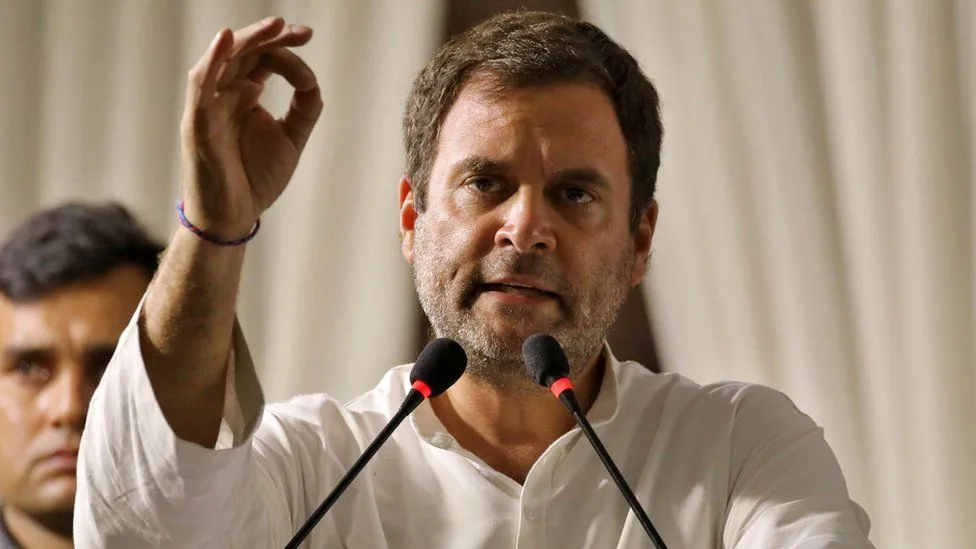
Gandhi’s local focus helped bridge the urban-rural divide, making him more relatable.
The Japanese media highlighted his strategic alliances with regional parties, which played a crucial role. These alliances provided the necessary support to challenge Modi’s dominance effectively.
Hindu and Arabic sources noted Gandhi’s effective use of social media to counter BJP narratives and reach a broader audience.
His digital strategy, combined with on-ground activism, helped rebrand him as a serious political contender.
Hebrew and Russian commentators discussed the international implications of Gandhi’s comeback.
They suggested that a more balanced political landscape in India could lead to different foreign policy directions, potentially affecting India’s relations with neighboring countries and global powers.
A Turning Point in Indian Politics
This topic matters because Gandhi’s return signifies a critical shift in Indian politics. Addressing grassroots issues and forming strategic alliances are vital for political success.
As India progresses, the dynamic between Modi’s leadership and Gandhi’s grassroots approach will shape the country’s future trajectory.
This comeback not only revitalizes the Congress party but also introduces a new era of political competition in India.
In summary, Gandhi’s unexpected rise underscores the importance of addressing key issues and forming strong alliances.
It signifies a potential shift in Indian politics, with broader implications for India’s future both domestically and internationally. This narrative captures a transformative moment in Indian democracy.
This article was produced by The Rio Times’ automated newsroom system. How we use AI · Report an error
Read More from The Rio Times