
MAURITANIA · POLITICS
Key Facts
- The country Mauritania is a desert nation on Africa’s Atlantic coast, led since 2019 by President Mohamed Ould Cheikh El Ghazouani.
- What happened The Mauritania party Mauritania Forward asked Ghazouani on Tuesday 27 October 2026 for a 30-month transition and new elections in early 2027.
- The wider row Opposition groups and a lawmaker oppose a third term since sit-ins on Wednesday 21 October, while allies urge Ghazouani to stay.
- The rule Mauritania’s Constitution limits a president to two terms, and Ghazouani’s second and last term runs to 2029.
- The offer The party suggests legal immunity for the president and his family after he leaves, and a vote ban for transition ministers.
- Why it matters Mauritania exports new liquefied gas and is a Sahel security partner, so its stability matters to US investors.
- Still open The presidency has not answered the proposal or said whether Ghazouani wants to change the Constitution.
A Mauritania party has asked President Mohamed Ould Cheikh El Ghazouani to turn his remaining term into a 30-month transition. Madar and Infoplus reported on Tuesday 27 October 2026 that the proposal from Mauritania Forward (Mauritanie en avant) also seeks new elections in early 2027.
It lands in a growing argument over whether Ghazouani, barred by the Constitution from a third term, might try to stay after 2029. For US readers, the debate matters because Mauritania is a new gas exporter and a rare stable partner in the troubled Sahel.
What the Party Is Asking For
The Mauritania party set out its plan in a text called the “Appeal of 28 November 2026”, dated Sunday 25 October, Infoplus reported. It asks the president to announce the plan in his Independence Day speech on Saturday 28 November, after other groups join by Friday 27 November.
The plan would dissolve parliament, the government and the local councils, and put a technocrat prime minister in charge of a cabinet of experts. It would also scrap the national electoral commission, known as CENI, and hold parliamentary and municipal elections in early 2027.
Reforms, Prices and Immunity
The text calls for constitutional changes to make the courts more independent and for higher pay and pensions for some workers. It also seeks price caps on basic foods, electricity and transport, and the release of what the party calls prisoners of opinion.
The president would lead the transition himself, and no member of its government could run in the elections it oversees, including the 2029 presidential vote. The party also suggests legal immunity for the head of state and his close family once he leaves power.
How the Third-Term Row Began
On Wednesday 21 October the opposition party Tawassoul, formally the National Rally for Reform and Development, held sit-ins in the three regions of Nouakchott. Its slogan was three noes, aimed at a third term, curbs on freedoms and corruption, RFI reported.
Party vice-president Mohamed Houd Mbareck told RFI that the Constitution caps presidents at two terms and that the subject is closed. The sit-ins followed calls for a third term from government supporters, some of them ministers in the cabinet reshuffled a week earlier.
Allies Speak Up, and So Does Parliament
On Tuesday 20 October the mayor of Tevragh Zeina, a Nouakchott district, urged parties and citizens to rally behind Ghazouani, Madar reported. The mayor, Taleb Abderrahmane El Mahjoub, tied his appeal to the government’s development programme for the capital.
On Tuesday 27 October, lawmaker Youssef Ould Abou Medine of the Sawab party told parliament that the president had sworn not to alter the Constitution. He said Ghazouani has three years left in his last term and should leave the people “a legacy to remember”, Madar reported.
Unrest Over Costs Adds Pressure
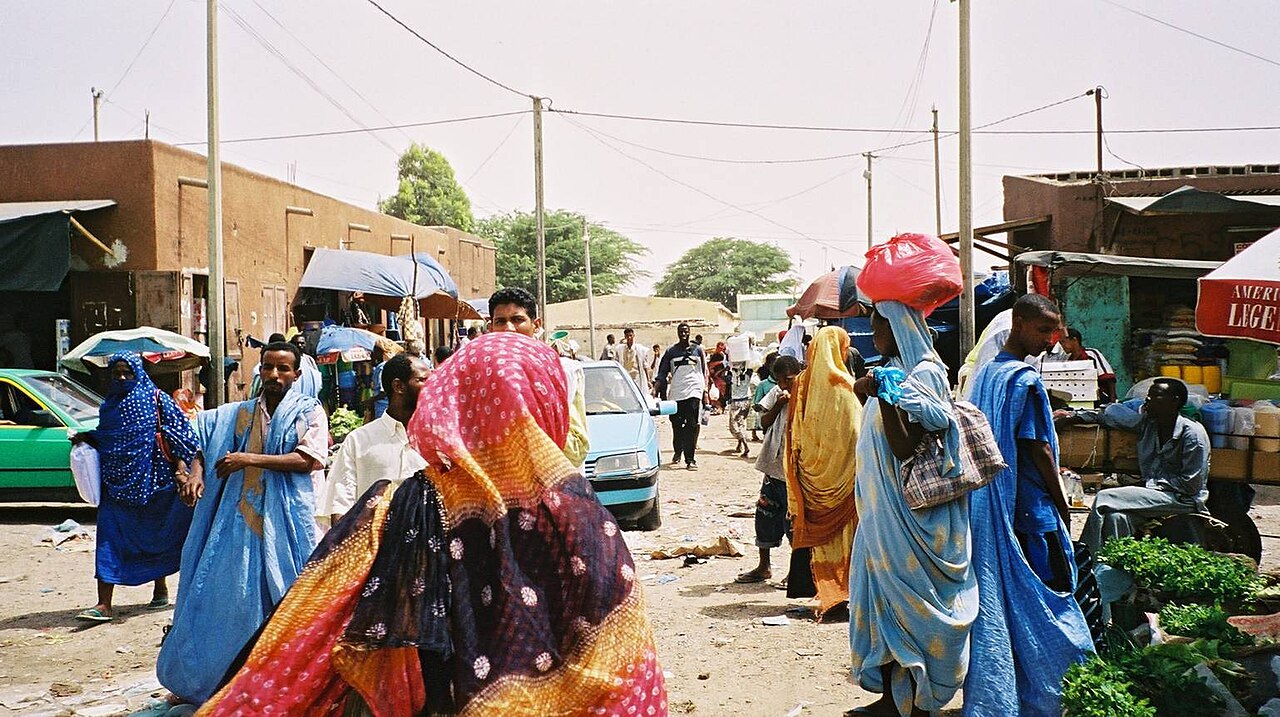
Living costs are biting, and police dispersed a student strike at Nouakchott University on Monday 26 October over fares, grants and housing, RFI reported. An opposition coalition condemned what it called a crackdown on students on Tuesday, Madar reported.
At the Tawassoul sit-ins, vice-president Mohamed Houd Mbareck said people want action on water, electricity and fuel prices, not a third-term debate. Party secretary-general Aminata Niang criticised unchecked public contracts and weak oversight of the state power company Somelec.
What It Means for US Readers
Mauritania shipped about 603,000 tonnes of liquefied natural gas from July to September, as the Rio Times reported in its Mauritania gas exports story. A messy fight over presidential terms could raise the political risk for energy investors and lenders.
Washington is also engaged on the ground, as two US Senate foreign relations committee officials made a first visit to a US-funded school-meals programme. The US embassy in Nouakchott announced the trip on Tuesday 27 October, Sahara Medias reported.
What Is Not Known
The presidency has not responded to the Mauritania party’s plan, and the reports do not name its leaders or say how many members it has. It is also unclear whether Ghazouani wants to stay beyond 2029 or change the Constitution, which the lawmaker says he swore not to do.
Nothing in the reports says whether other opposition groups will back the Mauritania party and its 30-month idea. For background on the government reshuffle that preceded the row, see the Rio Times story on how Mauritania kept its prime minister.
More: Africa news in English, every day from The Rio Times.
Frequently Asked Questions
What does the Mauritania Forward party want?
The Mauritania party, Mauritania Forward, wants President Ghazouani to run a 30-month transition under a government of experts. It would dissolve parliament and local councils and hold new elections in early 2027.
Is Ghazouani allowed to run for a third term?
The Constitution limits presidents to two terms, and opposition leaders say that rule is settled. Ghazouani’s second term runs to 2029, and he has not announced any plan to change the rules.
Who held the sit-ins on 21 October?
The opposition party Tawassoul held them in three districts of Nouakchott. Its slogan was three noes: no to a third term, no to curbs on freedoms and no to corruption.
Why does the transition plan mention immunity?
The party suggests a judicial immunity guarantee for the president and his close family after he leaves office. It presents this as a way to make a smooth exit acceptable to the leadership.
Is Mauritania safe for American travelers?
The reports describe sit-ins and a student strike broken up by police in Nouakchott on 26 October. Visitors should check the latest US State Department advice and avoid demonstrations.
Sources: Infoplus (via Cridem), 27 October 2026; Madar, 27 October 2026; Madar, 27 October 2026; RFI Afrique (via Cridem), 22 October 2026; Madar (via Cridem), 20 October 2026; RFI Afrique (via Cridem), 27 October 2026; Sahara Medias (via Cridem), 27 October 2026.
This article was produced by The Rio Times’ automated newsroom system. How we use AI · Report an error · Editorial responsibility: Matthias Camenzind, Editor-in-Chief