
Mauritania · Politics
Mauritania’s parliament has voted confidence in Prime Minister Mokhtar Ould Djay’s second government, 145 votes to 21 with one abstention, after more than 15 hours of debate that ran into the early hours of Tuesday, 10 November 2026. The vote ends a political crisis that began a month earlier, when the cabinet resigned after fires at two substations of the state power utility Somelec plunged parts of the capital, Nouakchott, into darkness.
This was a confidence vote, not an election, and supporters of President Mohamed Ould Cheikh El Ghazouani, in office since 2019, hold a large majority in the 176-seat National Assembly, the single-chamber parliament. The president reappointed Ould Djay, whose name is also spelled Ould Diay, on the day he resigned, so the result confirms a decision already taken.
Key Facts
- The vote 145 deputies voted for, 21 against and one abstained, among 167 who took part.
- The debate Deputies debated for more than 15 hours; the result came after midnight on 9 to 10 November 2026.
- The context The cabinet resigned on 9 October after substation fires; the president reappointed the prime minister.
- The comparison His first government won 140 votes to 25 in 2024.
- The majority Parties backing the president hold 148 of 176 seats; the opposition holds 28.
What Happened in the Assembly
The prime minister presented his government’s general policy statement, in effect its programme, to deputies on Saturday, 7 November. Deputies then debated it in public from the morning of Monday, 9 November, until after 01:00 on Tuesday.
After the debate, the prime minister was due to respond to deputies’ remarks and questions. The vote followed after midnight.
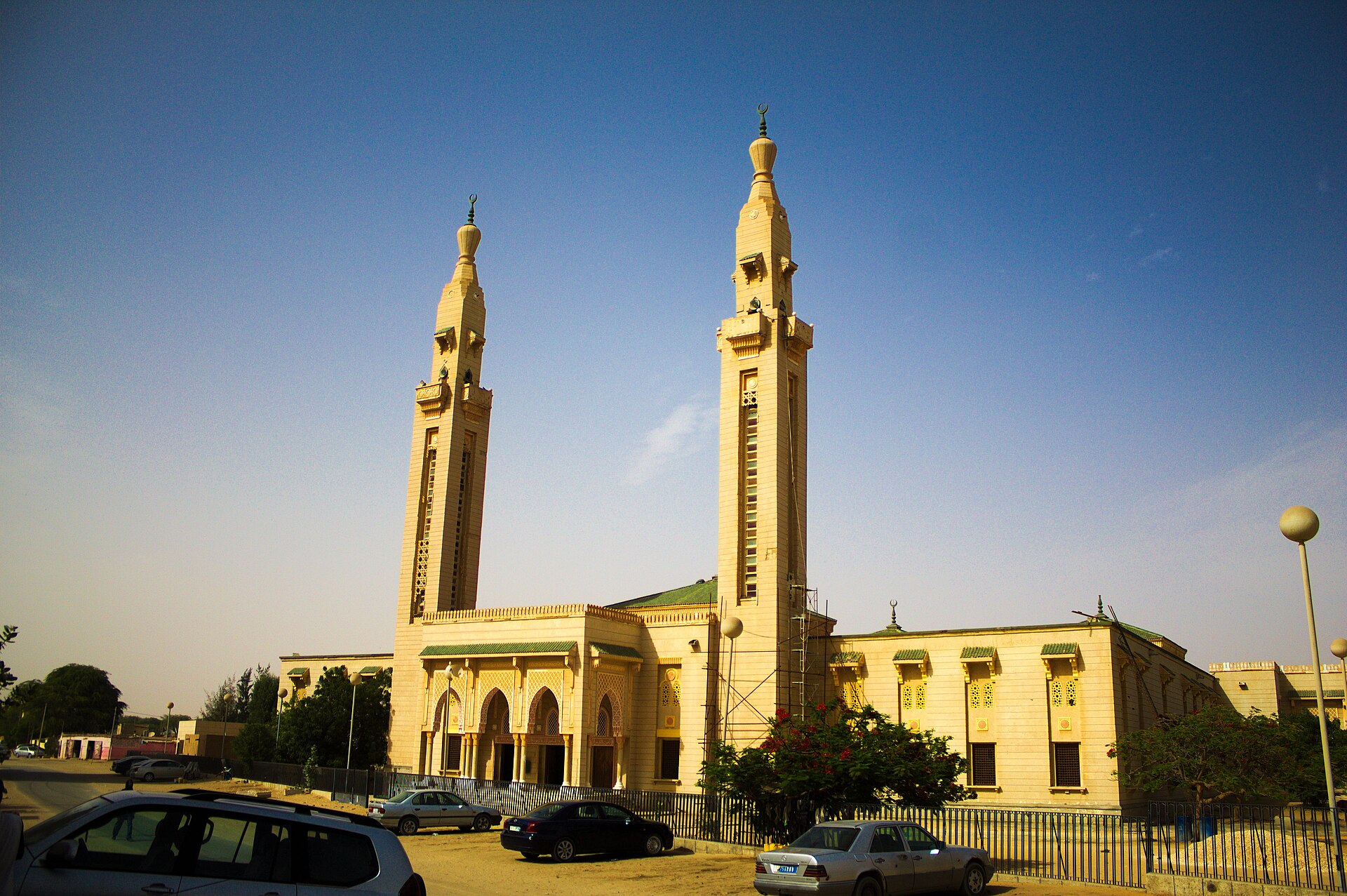
The final count was 145 for, 21 against and one abstention, among 167 deputies who voted. In 2024, his first government won 140 votes to 25, so support has edged up by five votes.
Why It Matters
The margin is wider than in 2024, so the power-station crisis has not cost the prime minister support in parliament. The president’s camp keeps control of the legislative agenda as the government turns to the electricity problem that triggered the resignation.
For US readers, the signal is continuity: Mauritania is a West African country with offshore gas projects, and the same prime minister stays in office. No current market price or official statistic bears directly on this vote, so we attach none.
What It Means for You
Investors, aid groups and diplomats dealing with Nouakchott can plan on the same prime minister and a stable majority until the next political test. The first test is whether the reappointed team fixes power supply, the issue that brought the government down; our earlier reports cover the change of energy minister and the new cabinet.
Background on the country’s place in the region is in our guide to Mauritania’s role in Africa. More reporting is in our Mauritania coverage.
What Is Not Known
The full text of the programme and its cost have not been published as far as we could establish. Details of how the government plans to fix electricity supply were not part of the public summaries of the debate.
Frequently Asked Questions
What did Mauritania’s parliament vote on?
It voted confidence in Prime Minister Mokhtar Ould Djay’s second government and its general policy statement, 145 to 21 with one abstention. The vote came on the night of 9 to 10 November 2026.
Why was a new government needed?
The previous cabinet resigned on 9 October 2026 after fires at two Nouakchott substations of the state power utility Somelec in August. President Ghazouani reappointed Ould Djay to form a new government.
Who holds the majority in parliament?
Parties that support President Ghazouani hold a large majority of the 176 seats. Twenty-one deputies voted against the government this time.
Sources: Mauritania’s National Assembly, public session of 9 to 10 November 2026, and the vote count it recorded; the report of the independent inquiry commission of 8 October 2026 on the August substation fires. Read 10 November 2026.
This article was produced by The Rio Times’ automated AI newsroom. Editorial responsibility: Matthias Camenzind, Publisher and Editor-in-Chief. The Rio Times also runs Ask Rio Times, which answers from 100,000+ of our own articles, the daily Latin America Power Map, and prediction-market odds on elections and markets.. How we use AI · Report an error
Part of our ongoing coverage
Africa: The New Scramble — the great-power contest over the continent.