Mauritania Plans Digital Addresses, Pilot by End-2026
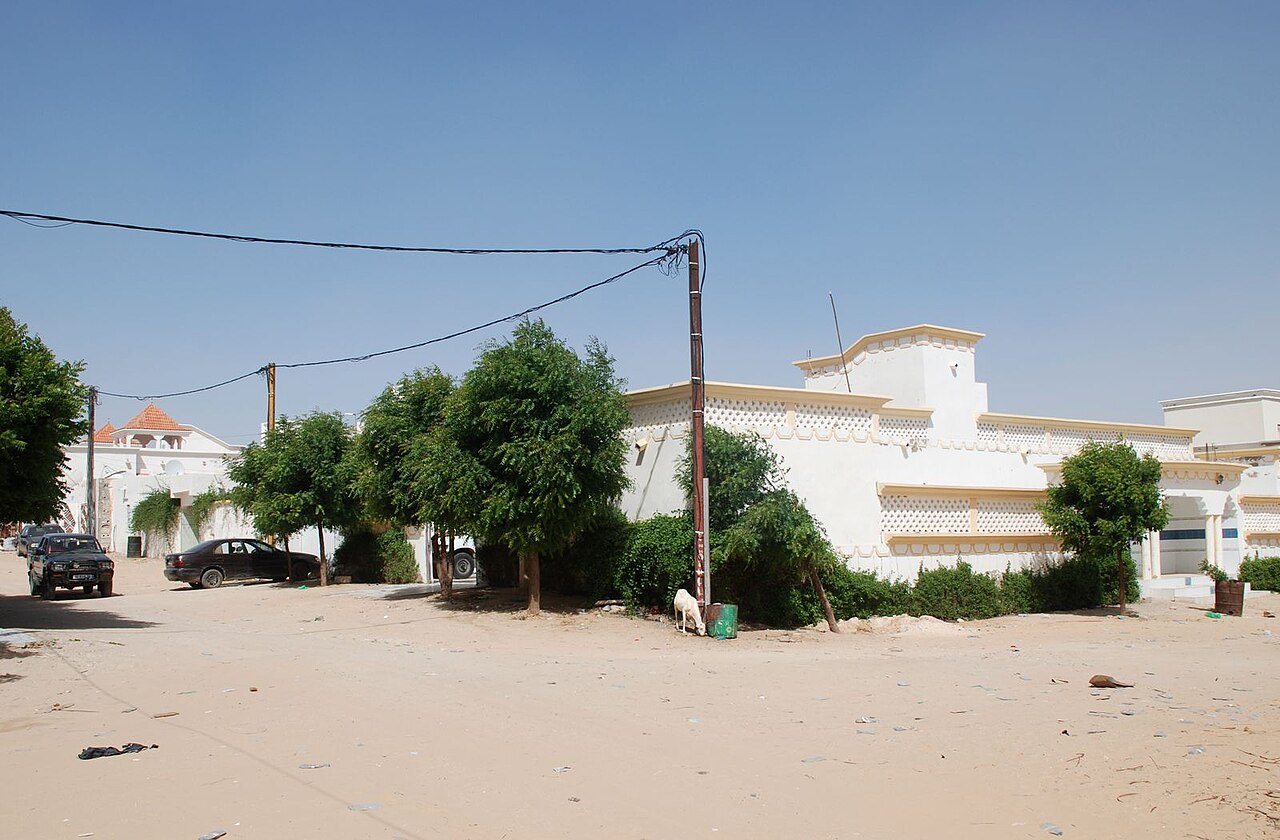
In a country where parcels often wait at the post office, the government wants every doorway to have an address.
Mauritania digital addressing is moving from idea to plan. The government wants a national address for every plot, building and doorway, with a pilot by the end of 2026.
Mauritania is a large, mostly Saharan country between Morocco and Senegal, with about 5.3 million people. Many homes, even in the capital Nouakchott, lack a reliable street address.
The goal is to let couriers, emergency services and public offices find people. For foreign firms eyeing West Africa, it is a small but concrete step towards online trade.
Key Facts
- The country. Mauritania is a mostly desert nation of about 5.3 million people on Africa’s Atlantic coast. Its economy, about US$11.7 billion in 2025, is smaller than Vermont’s.
- Why it matters. Many homes and shops have no reliable street address. Couriers find customers by phone and shared map pins, which makes online shopping slow and costly.
- Why now. The government is preparing a national e-commerce strategy, and the World Bank is funding digital infrastructure across West Africa.
- What happened. On Tuesday 29 September 2026, two ministers opened a four-day workshop in Nouakchott, the capital, to present a national digital address system.
- The numbers. 4G mobile networks cover about 80% of people. Yet only 45.8% used the internet in 2024, says the International Telecommunication Union (ITU).
- What it means for you. For firms selling or delivering in Mauritania, standard addresses should cut failed deliveries. For visitors and residents, nothing changes until the pilot runs.
- Still open. Cost, pilot location and a detailed timetable have not been published. Postal-code zones and data-sharing rules are still being finalised.
What happened in Nouakchott
On Tuesday 29 September, Ahmed Salem Ould Bede, the minister of digital transformation, opened a four-day workshop on the project. Mamoudou Mamadou Niang, the minister for state property and land reform, attended with him, the state news agency AMI reported.
The workshop aims to build one national geographic and digital address register. It is meant to follow the standards of the Universal Postal Union, the United Nations agency that sets rules for postal services.
The minister said a precise address is part of the basic infrastructure of the state and the economy. He linked the plan to the programme of President Mohamed Ould Cheikh El Ghazouani.
How the system would work
The country will be divided into postal-code zones. Urban and rural areas will get addressing methods suited to each, on top of a common reference grid.
Ecofin Agency, a business news service covering Africa, reported the details on 1 October. The plan also includes a mapping portal, an address management portal and mobile apps to update and use the data.
The minister named three principles: one unified register, systems that can talk to each other, and room to grow with the cities. He said ministries, local councils, land agencies, infrastructure operators and private firms must all take part.
Who pays
The World Bank finances the project through its West Africa Regional Digital Integration Program. That programme funds broadband, data and digital services in several West African countries.
Neither the ministry nor Ecofin has published the cost of the addressing component. The amount should be treated as unknown until official figures appear.
Why addresses matter for online shopping
UNCTAD, the United Nations trade and development body, reviewed Mauritania’s e-commerce readiness in March 2024. It named last-mile delivery as a major obstacle.
It said weak postal and logistics networks make the problem worse.
Without reliable addresses, parcels are often collected from post offices rather than delivered to homes. Customers usually give only the name of their neighbourhood when they order.
“We ask them to share their location with our delivery drivers through social media,” said Koné Desry, who runs the start-up Addnam. In an interview cited by UNCTAD, he said customers must stay online and reachable, which is “often not possible”.
Other countries have faced the same gap. Ireland, a wealthy European economy, only gave every home a unique postcode when its Eircode system launched in 2015.
The limits
Better addresses will not fix every barrier to online trade. UNCTAD also points to limited use of digital payments and low adoption of digital tools among small firms.
Connectivity is uneven. ITU figures cited by Ecofin show 3G covering 85% of the population and 4G covering 80% in 2025.
Yet internet use stood at only 45.8% in 2024, according to the same source. Mauritania digital addressing will matter little to shoppers who stay offline.
UNCTAD also flagged gaps in regulation and consumer protection. It recommended clearer rules for electronic transactions and specific protections for online shoppers.
What it means for you
For companies selling into Mauritania, a working address grid could cut failed deliveries and the cost of each parcel. Delivery start-ups and online shops are the most direct winners.
For investors, Mauritania is better known for iron ore, fish and offshore gas. The plan is one piece of a wider push to digitise public services.
For travellers and residents in Nouakchott, nothing changes until the pilot starts.
What Is Not Known
The project’s cost, the pilot location and the exact launch date have not been published. Ecofin reported that the postal-code zoning, the addressing method and the rules for sharing data are still being finalised.
It is also unclear how quickly the Mauritania digital addressing grid would reach remote rural and nomadic areas. Officials have given no target date for national coverage.
Related reading: Mauritania’s teachers rally for higher pay as inflation jumps to 8.9%.
Frequently Asked Questions
What is Mauritania planning?
A national digital address system that gives every plot, building and doorway a precise, standard address. A pilot version is expected by the end of 2026.
Who is paying for it?
The World Bank, through its West Africa Regional Digital Integration Program, which funds digital infrastructure in several West African countries.
Why does it matter for online shopping?
Many homes lack a reliable street address, so couriers rely on phone calls and shared locations. A standard address grid makes home delivery cheaper and more reliable.
When will it be available?
Officials expect a pilot by the end of 2026. No detailed timetable has been published, and the postal-code zones are still being finalised.
This article was produced by The Rio Times’ automated newsroom system. How we use AI · Report an error · Editorial responsibility: Matthias Camenzind, Editor-in-Chief