Economy Minister Sergio Massa announced a special exchange rate on Tuesday for hydrocarbon exports from Vaca Muerta in southern Argentina.
The goal is to strengthen foreign reserves and ease currency stress.
The new policy lasts for 60 days. During this period, oil companies can settle 25% of exports at the “Cash with Liquidation” rate.
Currently, this rate is at 763.43 pesos per dollar.
Companies can still access the Free and Single Exchange Market. There, the currency rate stands at 350 pesos per dollar.
“We aim to boost investment in gas and oil for the next 60 days,” Massa said. He made this statement while visiting Vaca Muerta in Neuquén province.
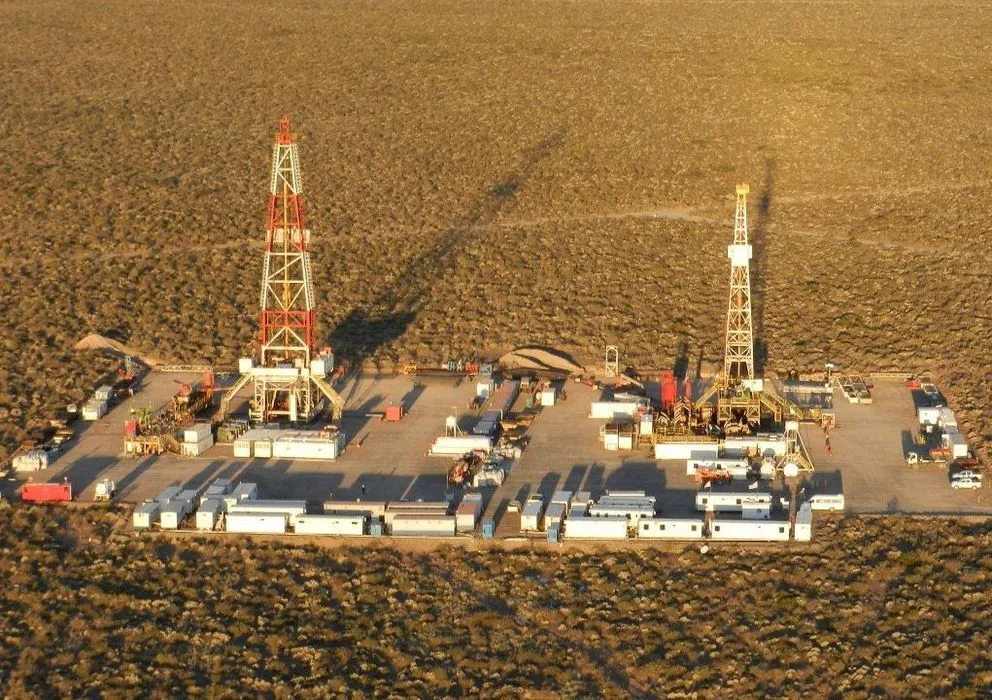
Massa noted Argentina’s high levels of gas and oil production. Yet, he observed that election results have triggered investment concerns.
Therefore, this move aims to maintain stability in job markets and ongoing projects.
The new rate is expected to attract about $1.2 billion in foreign currency.
This helps to build up Argentina’s international reserves, especially before the presidential elections on October 22.
“We seek financial dollar stability leading up to the October elections,” Massa said. He made this statement after meeting oil industry representatives in Neuquén.
Background
This move follows a period of economic challenges for Argentina. The country has grappled with inflation, foreign debt, and a weakened currency.
It recently entered negotiations with the IMF for debt relief. The government sees the Vaca Muerta basin as key for economic revival.
It’s one of the world’s largest shale gas and oil reserves.
The policy can be viewed as a double-edged sword. On one hand, it aims to attract foreign investment and stabilize employment.
On the other hand, it could raise concerns about the sustainability of such incentives, especially in a volatile market.
The move may also have political implications with the upcoming elections, influencing public opinion on economic stability and growth.
More: Argentina news in English, every day from The Rio Times.
This article was produced by The Rio Times’ automated newsroom system. How we use AI · Report an error · Editorial responsibility: Matthias Camenzind, Editor-in-Chief