Mali’s Army and Russia’s Wagner Killed and Tortured Civilians, Amnesty Says
Mali · GEOPOLITICS
Key Facts
- —The country Mali is a landlocked West African state of about 25 million people. Its economy, about US$30 billion, is smaller than Iceland’s, and gold is its main export.
- —Why it matters Soldiers have ruled Mali since coups in 2020 and 2021. The junta expelled French troops and a United Nations peacekeeping mission and turned to Russia for security.
- —Why now Amnesty International, the London-based human rights group, published its report “No one is spared” on Tuesday, 29 September 2026.
- —What happened The report documents at least 34 civilians killed in seven joint army–Wagner operations between June 2023 and December 2025.
- —The numbers Two army drone strikes in 2025 killed at least 23 more people. Fifteen men described torture; witnesses said five detainees died in custody.
- —What it means for you Central and northern Mali remain war zones. Investors and aid groups there operate in areas secured by forces now accused of war crimes.
- —Still open Mali’s government has not responded to the findings. Mali is leaving the International Criminal Court, but the court keeps jurisdiction over crimes committed until June 2027.
Amnesty International says Malian soldiers and Russian Wagner Group fighters shot, burned and tortured civilians. It calls for war crimes investigations.
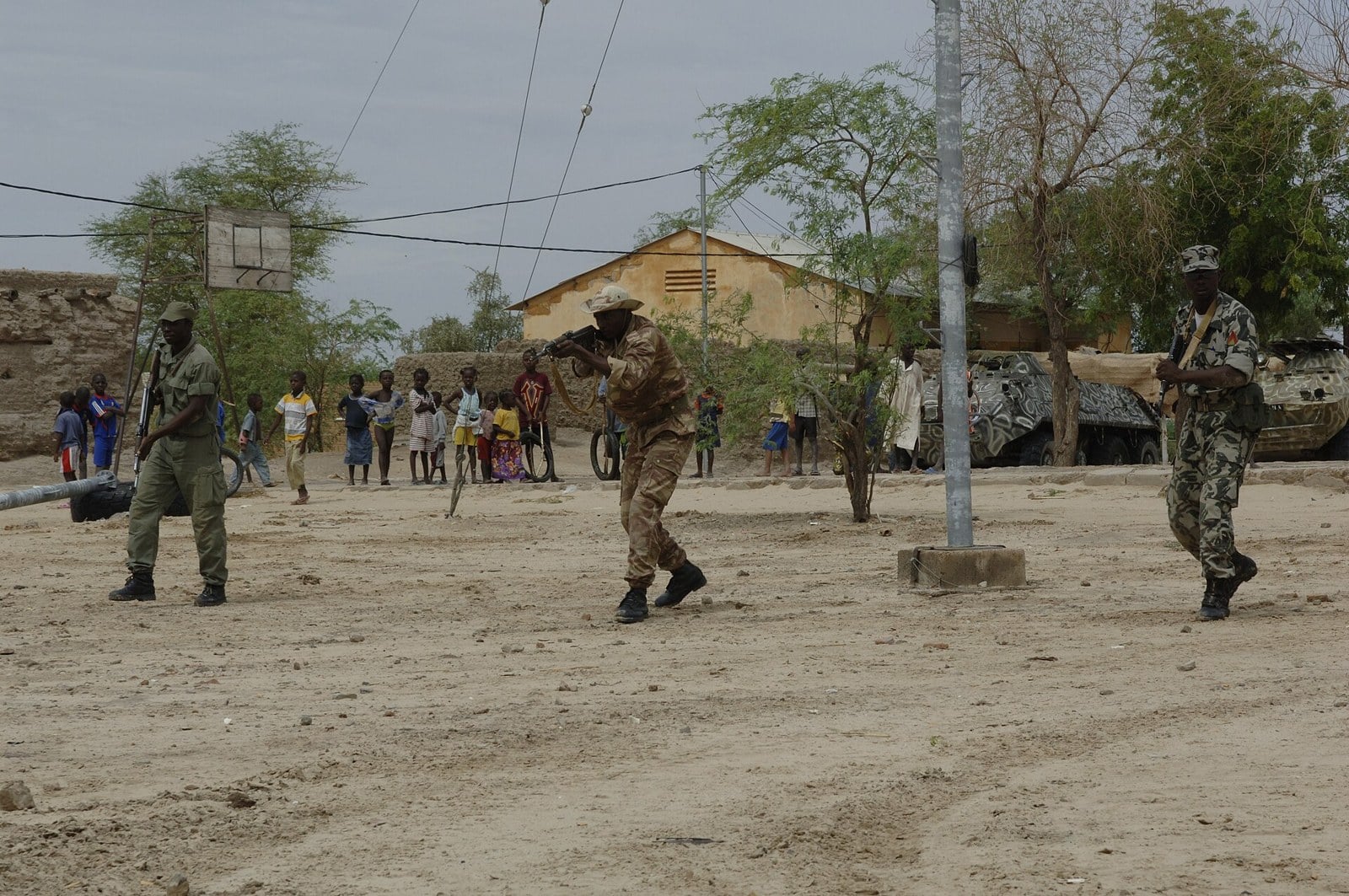
Amnesty International has published new evidence of war crimes in Mali, the West African country run by a military government since 2021. The human rights group says Malian soldiers and Russia’s Wagner Group killed and tortured civilians in joint operations.
The report, titled “No one is spared”, was released on Tuesday, 29 September 2026. It covers operations between June 2023 and December 2025 in the Ségou, Mopti and Timbuktu regions.
What Amnesty International documented
Amnesty says at least 34 civilians were unlawfully killed in seven incidents. Each involved the Malian armed forces, known by the French acronym FAMa, and Wagner personnel.
None of the victims were taking part in fighting, the group says.
Victims were shot while fleeing or after arrest. Some had their throats slit, and others were burnt alive or after death.
In Tin Adanda, a hamlet in the Timbuktu region, four people were killed on 12 February 2025 during a joint patrol. A survivor now in Mauritania lost two sons and a cousin.
Drone strikes and torture
The report also details two army drone strikes in the Timbuktu region. One hit a busy market in Ejdeir on 16 March 2025; the other struck a family home in Tangata in November 2025.
Together the strikes killed at least 23 people, including at least five children. Amnesty says it found no evidence of fighters or military targets at either site.
Amnesty interviewed 15 men who said they were tortured during patrols or while held at army bases in Léré and Nampala. Witnesses said five detainees died from torture and poor conditions.
The group says Wagner members carried out most of the torture while Malian soldiers watched or interpreted. Methods included suspension by the arms, simulated drowning, beatings with iron bars and electric shocks.
Who the victims were
Most victims came from herding communities, mainly Fulani, Arab and Tuareg people. Amnesty says they were suspected of backing armed groups because of their ethnicity and location.
The research was carried out in 2025 and 2026 in Mauritania’s Hodh ech-Chargui region. The UN refugee agency, UNHCR, had registered 290,000 Malian refugees there by 31 July 2026.
Amnesty interviewed 119 refugees in total. Marceau Sivieude, its regional director for West and Central Africa, said civilians were “paying the ultimate price while impunity remains rampant”.
The junta’s turn from Paris to Moscow
Soldiers seized power in Mali in 2020 and again in 2021. The junta then pushed out French troops and, later, the UN peacekeeping mission, and turned to Russia.
According to Amnesty, around a thousand Wagner personnel were deployed from late 2021 until June 2025. Africa Corps, a Russian force under state control, took over and still operates in the country.
Mali’s government has long denied Wagner was present. Russian officials have said Mali hired a private company to fight insurgents.
In May 2023 the US Treasury sanctioned Ivan Maslov, whom it named as the head of Wagner’s units in Mali. It called Wagner’s presence in Africa “a destabilizing force”.
An earlier warning at Moura
The new findings follow earlier allegations.
In May 2023 the UN human rights office reported on Moura, a town in central Mali. It said Malian troops and foreign military personnel killed at least 500 people there in March 2022.
The UN report also said 58 women and girls suffered sexual violence.
Gold, power and the great-power contest
Gold is Mali’s main export, and foreign mining companies are among the state’s biggest taxpayers. That makes security in mining areas a strategic question for the junta and its partners.
Wagner’s business model across Africa has often linked security services to mining access. Russia gains a foothold in a region where French influence has collapsed.
Neighbouring Burkina Faso and Niger have also turned to Russian security partners after military takeovers. The three juntas now form a joint alliance of Sahel states.
Who gains and who loses
The junta gains a partner that does not attach human rights conditions to military support. Civilians in central and northern Mali bear the heaviest cost.
Treating whole herding communities as suspects can deepen local grievances. That risks feeding the armed groups the army says it is fighting.
Foreign mining firms face reputational and operational risk. Their tax payments help keep the state running, but forces now accused of war crimes shape security around their sites.
What to watch next
Amnesty shared its findings with Mali’s transitional authorities on 3 August 2026 and had received no reply by publication. It urges investigations and prosecutions of soldiers, foreign partners and armed-group members alike.
It also asks the government to publish its agreement with Africa Corps. It wants the African Union, the continent’s main political body, to condemn the abuses.
The International Criminal Court, which tries individuals for war crimes, has investigated Mali since 2013. Mali announced its withdrawal in June 2026, which takes effect on 23 June 2027.
The court keeps jurisdiction over crimes committed until then. Any further case over war crimes in Mali may depend on that window.
The abuses fit a wider pattern covered in our pillar on Africa: The New Scramble, where security, minerals and great-power rivalry meet.
Frequently Asked Questions
What did Amnesty International find in Mali?
Amnesty says Malian soldiers and Russia’s Wagner Group killed at least 34 civilians in seven operations between June 2023 and December 2025. It also documents torture, enforced disappearances, looting and two deadly drone strikes.
Who were the victims?
Most were herders from Fulani, Arab and Tuareg communities in the Ségou, Mopti and Timbuktu regions. Amnesty says they were suspected of helping armed groups mainly because of their ethnicity and where they lived.
Is Wagner still in Mali?
Amnesty says Wagner deployed about a thousand personnel from late 2021 until June 2025. Africa Corps, a Russian force under state control, succeeded it and now operates in Mali.
Can anyone be prosecuted?
The International Criminal Court has investigated Mali since 2013. Mali notified its withdrawal in June 2026, but the court keeps jurisdiction over crimes committed until 23 June 2027.
Connected Coverage
Sources
- amnesty.org – news release, 29 Sep 2026
- amnesty.org – “No One is Spared” report
- rfi.fr
- nampa.org (AFP)
- home.treasury.gov – Maslov sanctions
- ohchr.org – Moura report
- amnesty.org – Moura
- data.worldbank.org – Mali
This article was produced by The Rio Times’ automated newsroom system. How we use AI · Report an error
Read More from The Rio Times