Latin America Business: Petrobras Subsidy, Chile Lithium and Remittances
Key Facts
Brazil’s state oil company Petrobras will join a new federal diesel subsidy worth R$1 (about US$0.19) per litre. Its board approved the move on Friday 18 September, and the company disclosed the decision the next day.
Elsewhere in Latin America, Chile’s lithium export revenue reached US$4.332 billion in 2026 so far, roughly tripling last year’s returns. Central American remittances kept rising, and insurers warned that El Niño could lift regional logistics costs by up to 15%.
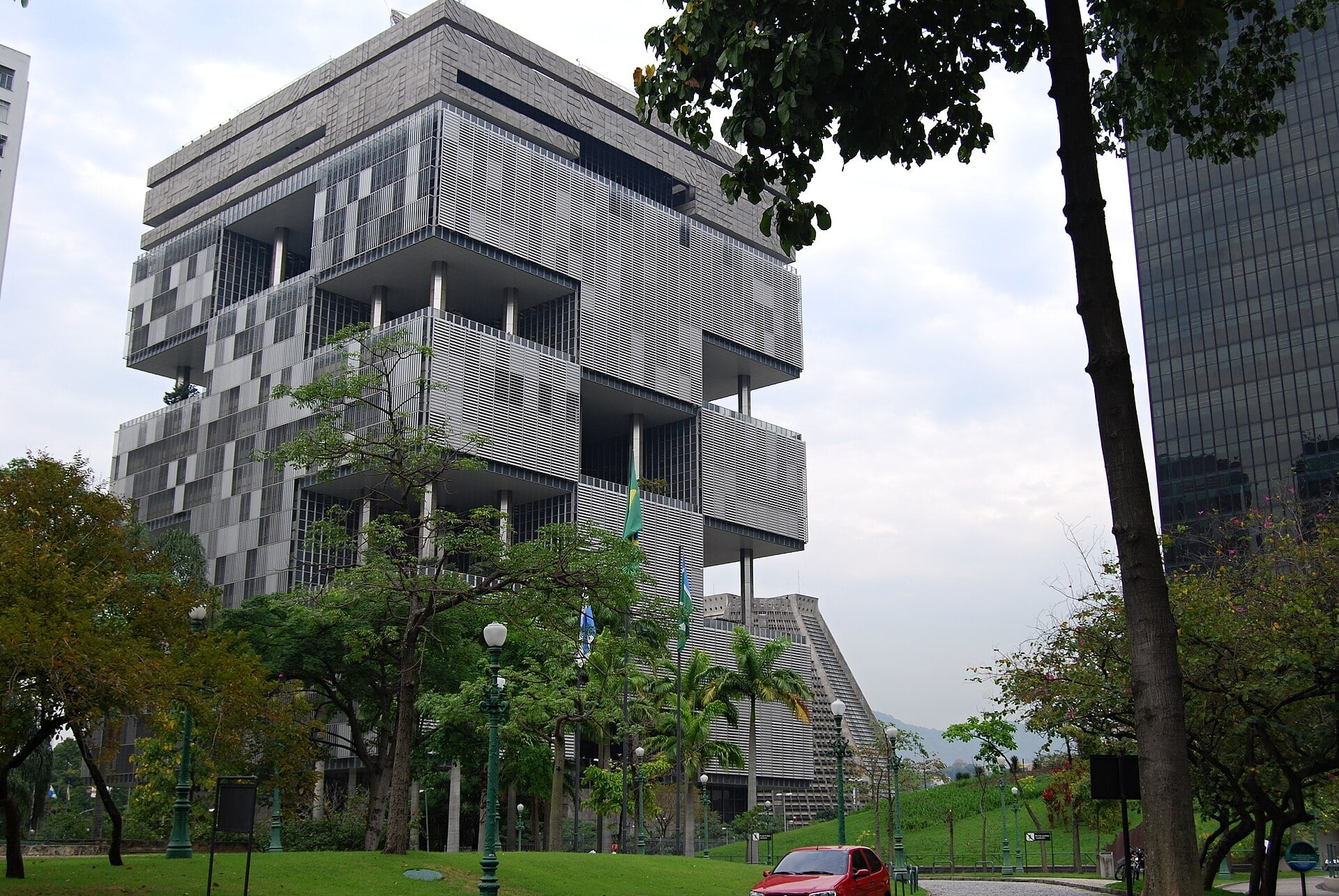
Petrobras Joins New Diesel Subsidy
Petrobras, Brazil’s state-controlled oil company, said on Saturday 19 September that its board approved joining a new government diesel subsidy. The board met on Friday 18 September and approved the company’s participation, according to Reuters and Valor Econômico.
The subsidy is set at R$1 (about US$0.19) per litre of road diesel and is valid for 30 days. It can be extended for another 30 under a provisional measure of 11 September and a finance ministry order of 16 September.
The mechanism neutralises a R$1 (about US$0.19) increase in Petrobras’ diesel price to distributors. Petrobras raised its wholesale price by R$1 (about US$0.19), but the federal government finances a matching discount, so the company’s net price stays unchanged.
The new subsidy is cumulative with an existing R$1.12 (about US$0.22) per litre subsidy. That brings total support to R$2.12 (about US$0.41) per litre while both are in force, Reuters reported.
Reuters also reported that Brazil released R$13 billion (about US$2.5 billion) in fuel subsidies alongside tax cuts. No source breaks out the cost of this specific diesel programme.
Live Company IntelligencePetroleo Brasileiro Petrobras SA ADR — the full investor dossier
Wall Street view
Valuation & profitability
Price & risk
$10.6552-wk high
$21.99
Revenue trend · 6y
Ownership
Dividend
Vibra Signs Ethanol Supply Deal With Inpasa
Vibra Energia, a Brazilian fuel distributor, signed a contract with Inpasa Agroindustrial for ethanol supply valued at R$1.28 billion (about US$249 million). The deal was reported by Valor Econômico on 18 September and by CNN Brasil the following day.
The ethanol will supply Vibra’s network of fuel stations and help meet regulatory obligations under ANP Resolution 946/2023. Inpasa is considered a related party because its chief executive, Éder Odvar Lopes, sits on Vibra’s board.
Reports differ on the contract’s term, with end dates ranging from August 2027 to 2029. Valor gave 1 September 2026 to 31 August 2027, citing the company’s filing.
Vibra said the contract was negotiated on market-compatible terms used for other suppliers. Those terms considered price, availability, logistics and delivery, and no specific volumes were disclosed.
Chile Lithium Exports Triple
Chile’s lithium exports reached US$4.332 billion in 2026 so far, roughly tripling returns compared with 2025, according to SoyChile. The figure covers the calendar year to date and was reported on 19 September.
In the first half of 2026, lithium export revenue was US$3.2 billion, according to Chile’s central bank. That was about three times the same period in 2025 and 34.4% higher than total lithium exports for all of 2025.
Chile is the world’s second-largest lithium producer, and the metal is a key input for electric vehicle batteries. Rising prices and strong demand have lifted export values sharply this year.
Central America Remittances Rise 7.1%
El Salvador, Guatemala and Honduras received US$29.064 billion in family remittances between January and July 2026, up 7.1% from the same period in 2025. The figures were compiled by the International Organization for Migration and reported by Infobae and ABC Color.
Guatemala received US$15.447 billion, or 53.1% of the total. Honduras received US$7.692 billion (26.5%) and El Salvador US$5.925 billion (20.4%).
Remittances are a major source of foreign income for these economies, supporting household consumption. Most of the money comes from workers in the United States.
El Niño Could Raise Logistics Costs
El Niño could raise logistics costs for Latin American companies by up to 15%, according to the insurance broker WTW. Infobae reported the warning on 19 September, citing transport bottlenecks and higher insurance premiums.
Fitch Ratings issued a similar warning in June 2026, saying El Niño would add to credit pressures for Latin American agribusiness. The ratings agency also pointed to freight bottlenecks and rising insurance costs.
El Niño can bring droughts, floods and storms that disrupt roads, ports and shipping schedules. For exporters of agricultural and mining goods, even small delays can raise costs and delay deliveries.
Costa Rica Widens Data Leak Probe
Costa Rica’s data protection agency, Prodhab, opened an administrative case on 16 September over the possible exposure of personal data on the dark web. It acted on its own initiative, La Nación and The Tico Times reported.
The science and technology ministry, Micitt, began checking the claims on 14 September. The cybercrime prosecutors opened their own criminal inquiry on 16 September.
A hacker claimed on a forum to hold millions of records with personal, financial, employment and judicial data. Authorities say they cannot yet confirm that the data is authentic or recent.
Frequently Asked Questions
What did Petrobras’ board approve?
Petrobras’ board approved the company’s participation in a new federal diesel subsidy of R$1 (about US$0.19) per litre. The decision was made at a meeting on Friday 18 September and disclosed the next day.
How long will the diesel subsidy last?
The subsidy is valid for 30 days and can be extended for another 30 days. It is cumulative with an existing R$1.12 (about US$0.22) per litre subsidy while both are in force.
How much are Chile’s lithium exports worth in 2026?
Chile’s lithium exports reached US$4.332 billion in 2026 so far, roughly tripling returns compared with 2025. In the first half of 2026, exports were US$3.2 billion, according to the central bank.
How much did Central American remittances rise?
El Salvador, Guatemala and Honduras received US$29.064 billion in remittances from January to July 2026, up 7.1% from the same period in 2025. Guatemala accounted for just over half of the total.
What is the Costa Rica data leak investigation about?
Costa Rican authorities are investigating the alleged exposure of millions of personal records on the dark web. Prodhab, Micitt and the cybercrime prosecutor’s office have all opened cases.
Sources: Reuters: Brazil’s Petrobras board approves joining diesel subsidy program, Valor Econômico: Conselho da Petrobras aprova adesão a nova subvenção, Valor Econômico: Vibra fecha contrato de R$ 1,28 bi de etanol com a Inpasa, SoyChile: Exportaciones de litio llegan US$4.332 millones, Infobae: El Salvador, Honduras y Guatemala reciben USD 29.064 millones en remesas, Infobae: El Niño amenaza con encarecer hasta un 15% los costos logísticos, The Tico Times: Costa Rica data leak Prodhab investigation
This article was produced by The Rio Times’ automated newsroom system. How we use AI · Report an error
LatAm Markets: Live Signals → — real-time movers, turnover leaders and FX across Latin America.
Read More from The Rio Times