Kisima Festival 2026 Runs 16–19 October in Kilifi, Kenya’s Baobab Forest
KENYA · WELLBEING
Key Facts
- —What Kisima Festival 2026, “The Love Edition”, a four-day wellbeing festival of workshops, classes, talks, music and ceremonies
- —When Friday 16 October, 10 a.m., to Monday 19 October 2026, 11:59 p.m., East Africa Time (EAT), per Quicket
- —Where Beneath the Baobabs, Mombasa–Malindi Highway, about 5 km south of Kilifi town, Kilifi County, Kenya
- —Tickets Quicket, from KSh 2,000 (about US$15); the super-early-bird adult pass was KSh 5,000 (about US$39); current adult price shown at checkout
- —Good to know Pass includes self-camping with your own tent; food, drinks, transport, accommodation, one-to-one therapies and childcare are extra
Kisima Festival 2026, the Love Edition, brings four days of workshops, healing and music to a baobab forest on Kenya’s coast.
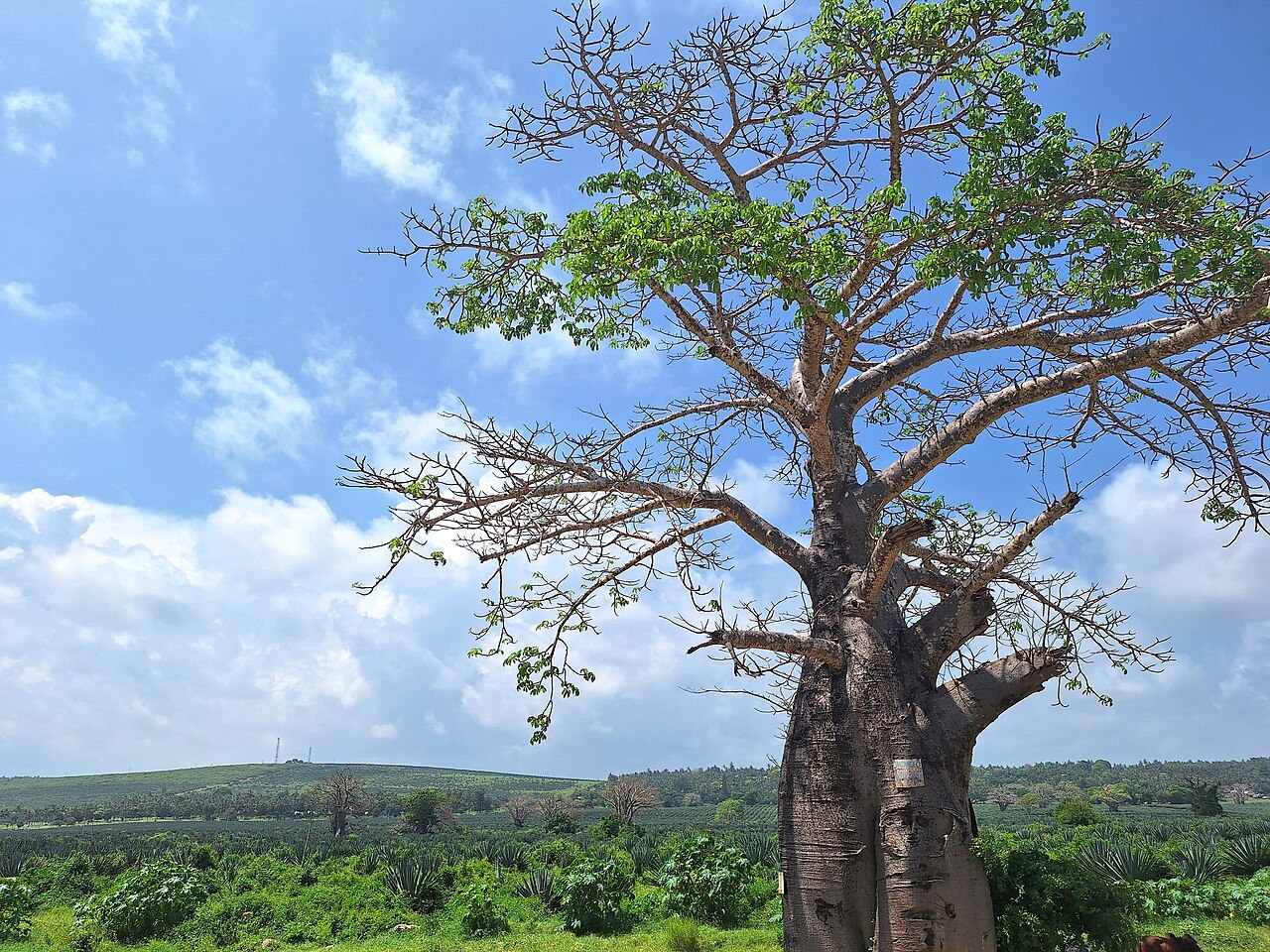
Kisima Festival 2026, the Love Edition, runs from Friday 16 to Monday 19 October at Beneath the Baobabs in Kilifi, Kenya. The four-day wellbeing festival on the Indian Ocean coast offers workshops, yoga, talks, ceremonies and live music, with camping included. Tickets on Quicket start at KSh 2,000, about US$15.
A festival named after a well
Kisima means “well” in Kiswahili, Kenya’s national language. The organisers chose the name for a place of nourishment, reflection and renewal.
The festival calls itself Kenya’s only transformational wellbeing festival. It mixes workshops, yoga, breathwork, talks, theatre and live music across four days.
The venue, Beneath the Baobabs, is a 50-acre site of baobab forest near Kilifi. Baobabs are huge, long-lived trees with wide trunks, common on Kenya’s coast.
The same site hosts the Beneath the Baobabs Festival over New Year. Kisima is its quieter sister event, built around health and community.
The 2026 theme: Return to Love
The 2026 edition takes love as its theme: self-love, love within a community and love for the Earth.
The programme follows five “elements”. Ignite covers talks and panels, and Inspire covers spiritual and healing practice.
Ground links wellbeing with nature and the environment. Flow covers movement and yoga, and Ether covers visual arts, theatre, poetry and music.
The organiser has published a first draft of the schedule. It says more facilitators, musicians and ceremonies will be announced before the festival.
What past editions looked like
The 2025 edition gives a sense of the mood. Its sessions included horse therapy, breathwork with cold plunges and a grief circle led by Nazizi Hirji.
Live music came from reggae artist Lavosti, Chris Barr, Zaituni and others, with DJ sets in the evenings.
Kaya Elders led ceremonies rooted in the traditions of the Mijikenda, the nine coastal peoples of this region. Their sacred Kaya forests are a UNESCO World Heritage Site.
A children’s area ran all day, with yoga, drumming, capoeira, crafts and a pool. Sessions unsuitable for children are marked in the programme.
Tickets and what they include
Tickets are sold on Quicket, an online ticket platform. The listing starts at KSh 2,000, about US$15, which matches the children’s price.
Karibu Kenya, the festival’s travel partner, listed a super-early-bird adult pass at KSh 5,000, about US$39. The organiser’s website says early-bird tickets end soon, so the current adult price appears at checkout.
A full adult pass gives access to all workshops, classes and areas of the site. It also includes camping if you bring your own equipment.
Food, drinks, transport, accommodation, one-to-one therapies and childcare are not included. Tickets are non-refundable but can be transferred to another person through Quicket.
All standard tickets cover the full four days. The organiser says a small number of day passes may appear in the final week if the festival has not sold out.
Getting to Kilifi
Kilifi is a small town on Kilifi Creek, north of Mombasa. The site is 5 km south of town on the Mombasa–Malindi Highway, opposite Mnarani Secondary School.
From abroad, the simplest route is a flight into Mombasa’s Moi International Airport, about 60 km away. The organiser quotes daytime taxis from Mombasa or Malindi airports at KSh 5,500 to 6,000, about US$43 to US$46.
From Nairobi, the SGR train reaches Mombasa or Mariakani in about five hours. The organiser quotes fares up to KSh 1,500 standard and KSh 4,500 first class, about US$12 and US$35.
Buses from Nairobi to Kilifi take eight to twelve hours. From Kilifi town, a motorbike or tuk-tuk to the site costs about KSh 400 to 800, or US$3 to US$6.
Where to stay
Camping is free with your ticket in a marked area. Bring a tent, mattress and bedding.
The site has two cottages and four safari tents with a minimum stay of four nights. Karibu Kenya offers rates at hotels, guesthouses and budget lodges around Kilifi.
Monday 19 October is the last day. Tuesday 20 October is Mashujaa Day, a Kenyan public holiday, which gives Kenya-based visitors an extra day to travel home.
Health, weather and practical tips
October on the coast is warm, with daytime temperatures around 22 to 30°C and occasional short showers. Sunscreen, a hat and light clothing are useful.
The Kenyan coast is a malaria area, and the organiser recommends preventive medicine. Kilifi hosts a major research centre of the Kenya Medical Research Institute, which studies malaria.
Most foreign visitors need an electronic travel authorisation (eTA) before arriving in Kenya. Apply only through the official government website.
The festival is not alcohol-free, but it runs an alcohol-free cocktail bar. People who come alone are welcome, and a community WhatsApp group helps them meet others before arrival.
More: Expats & Nomads guides, every day from The Rio Times.
FAQ
When is Kisima Festival 2026?
It runs from Friday 16 to Monday 19 October 2026 at Beneath the Baobabs in Kilifi, Kenya. Quicket lists opening at 10 a.m. on Friday.
How much does a Kisima ticket cost?
The Quicket listing starts at KSh 2,000, about US$15, the children’s price. The super-early-bird adult pass was KSh 5,000, about US$39, and the current adult price shows at checkout.
Can I bring children to Kisima?
Yes, children are welcome and have their own area with a full programme. Parents stay responsible for them, as the festival does not provide childcare.
Is camping included in the ticket?
Yes, self-camping is included for ticket holders who bring their own tent and bedding. On-site cottages and safari tents are booked separately, with a four-night minimum.
Sources: Beneath the Baobabs – Kisima Festival (organiser) · Quicket – Kisima Festival 2026 tickets · Karibu Kenya – Kisima 2026 · Streamline Feed – Kisima Festival 2026 listing
This article was produced by The Rio Times’ automated newsroom system. How we use AI · Report an error
Read More from The Rio Times