A Methamphetamine Case Built on a Boat With No Flag Reaches a Kenyan Courtroom
KENYA · SECURITY
Key Facts
- —The seizure 1,036 kilogrammes of methamphetamine in 769 packets, worth about US$63 million in Kenya.
- —The location On the high seas about 350 nautical miles east of Mombasa, in October 2025.
- —The vessel A dhow with no flag, no registration and no tracking transponder. Stateless, in legal terms.
- —Who stopped it The Kenyan navy, under a European-funded maritime security programme, with Seychelles air support.
- —The ruling A Mombasa magistrate found on 12 September that the six accused have a case to answer.
- —The catch They pleaded guilty in January, then withdrew those pleas eighteen days later.
A ship without a flag belongs to no country and answers to none. That is the point of sailing one.
A ship that flies no flag is nobody’s ship. The methamphetamine case now before a Kenyan court began with exactly such a vessel.
It had no registry, no state to protect it and no transponder switched on. Traffickers use such boats for precisely those reasons.
What Was Found
The interception happened between 17 and 20 October 2025, on the high seas east of Mombasa. That is roughly 650 kilometres out, well beyond any national waters.
Officers recovered 1,036.044 kilogrammes of methamphetamine in 769 packets. The drugs were distributed across six of the vessel’s seven compartments.
Kenyan authorities valued the haul at 8.2 billion shillings, about US$63m at the central bank rate of 129.49 to the dollar. That makes it one of the largest maritime narcotics seizures in the region’s history.
The cargo was allegedly loaded at a port in Iran and destined for Mauritius. The vessel is identified in court testimony as the Mashaallah.
An earlier account from October 2025 named a different vessel and gave a slightly lower tonnage. The court record is the more authoritative version, though the discrepancy has not been explained.
Who Stopped It
The Kenya Navy made the interception, using the vessel KNS Shupavu. It operated under Safe Seas Africa, a maritime security programme funded by the European Union.
A Seychelles Coast Guard patrol aircraft provided aerial support. Kenyan follow-up involved the coast guard service, the criminal investigations directorate and the national anti-narcotics authority.
That combination is the point of the story for anyone watching the Indian Ocean. A Kenyan warship, European money, Seychellois aircraft and an Iranian-loaded cargo bound for Mauritius describe a single security architecture.
The eastern African coast sits on what enforcement agencies call the southern route. Heroin and methamphetamine move from South Asia along the seaboard, some staying and much going on to Europe.
What the Court Decided
On 12 September 2026 the Shanzu Chief Magistrate’s Court in Mombasa ruled that the six accused have a case to answer. Chief Magistrate Anthony Mwicigi found a prima facie case under the criminal procedure code.
The prosecution had closed its case after calling twelve witnesses. The last was an inspector from the anti-narcotics unit.
The ruling does not decide guilt. It means the methamphetamine case is strong enough that the defence must now respond.
The defence case proceeds from here. All six are Iranian nationals.
The Pleas That Changed
The most unusual feature of the case is what happened in January. On 12 January 2026 the six men pleaded guilty.
Eighteen days later, on 30 January, they withdrew those pleas and pleaded not guilty. Their stated reason was that they had not understood the charges.
That reversal is why the prosecution spent the following months calling witnesses. A guilty plea would have ended the matter in a morning.
The names of the accused are not printed here. The official charge sheet and the news reports render them in at least three irreconcilable ways.
A criminal defendant’s name is not something to approximate. Six Iranian nationals stand accused, and that is as far as the record safely goes.
Why It Matters Beyond Kenya
A methamphetamine case is different from a heroin one in a way that matters. Meth is manufactured rather than grown, so production moves to wherever enforcement is weakest.
It travels well by sea in a way that bulkier cargoes do not. A single dhow can carry a value that would take a fleet of aircraft.
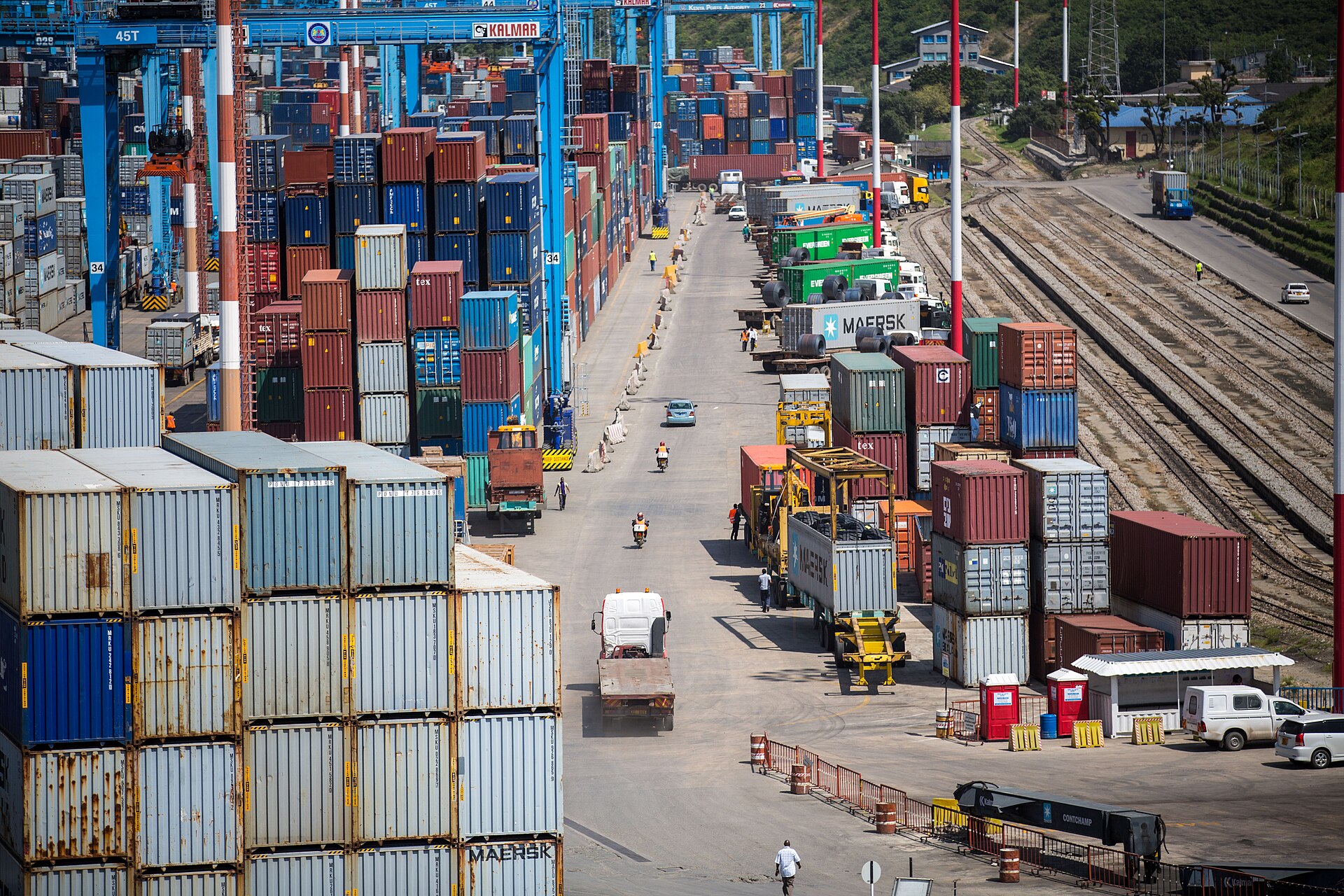
Kenya‘s role in this is partly geographic and partly institutional. It has the region’s busiest port, a navy willing to board, and courts that will hear the resulting cases.
How this methamphetamine case ends will be watched accordingly. Interceptions make headlines, and convictions are what change a route.
More: Africa news in English, every day from The Rio Times.
Frequently Asked Questions
What was seized?
1,036.044 kilogrammes of methamphetamine in 769 packets, valued by Kenyan authorities at 8.2 billion shillings, about US$63m. It was found in six of the vessel’s seven compartments.
Where did the interception happen?
On the high seas about 350 nautical miles east of Mombasa, roughly 650 kilometres offshore, between 17 and 20 October 2025.
Who intercepted the vessel?
The Kenya Navy, using the vessel KNS Shupavu, under the European Union-funded Safe Seas Africa programme, with aerial support from a Seychelles Coast Guard patrol aircraft.
What did the court rule?
On 12 September 2026 the Shanzu Chief Magistrate’s Court in Mombasa found the six accused have a case to answer, after the prosecution called twelve witnesses. The ruling does not decide guilt.
Why did the pleas change?
The six pleaded guilty on 12 January 2026 and withdrew those pleas on 30 January, saying they had not understood the charges.
Sources: Capital FM, Eastleigh Voice, The Star, Anadolu, Citizen Digital, Kenya’s Directorate of Criminal Investigations and Maritime Executive.
This article was produced by The Rio Times’ automated newsroom system. How we use AI · Report an error
Read More from The Rio Times