
Water: Tunisia
Tunisia and Japan signed a loan on Wednesday 18 November 2026 worth 9,559 million Japanese yen, about US$60 million, to strengthen the Sfax seawater desalination plant. The ceremony took place at the Ministry of Foreign Affairs in Tunis, and two Tunisian news outlets, the website Kapitalis and the daily La Presse, reported it on 18 November 2026.
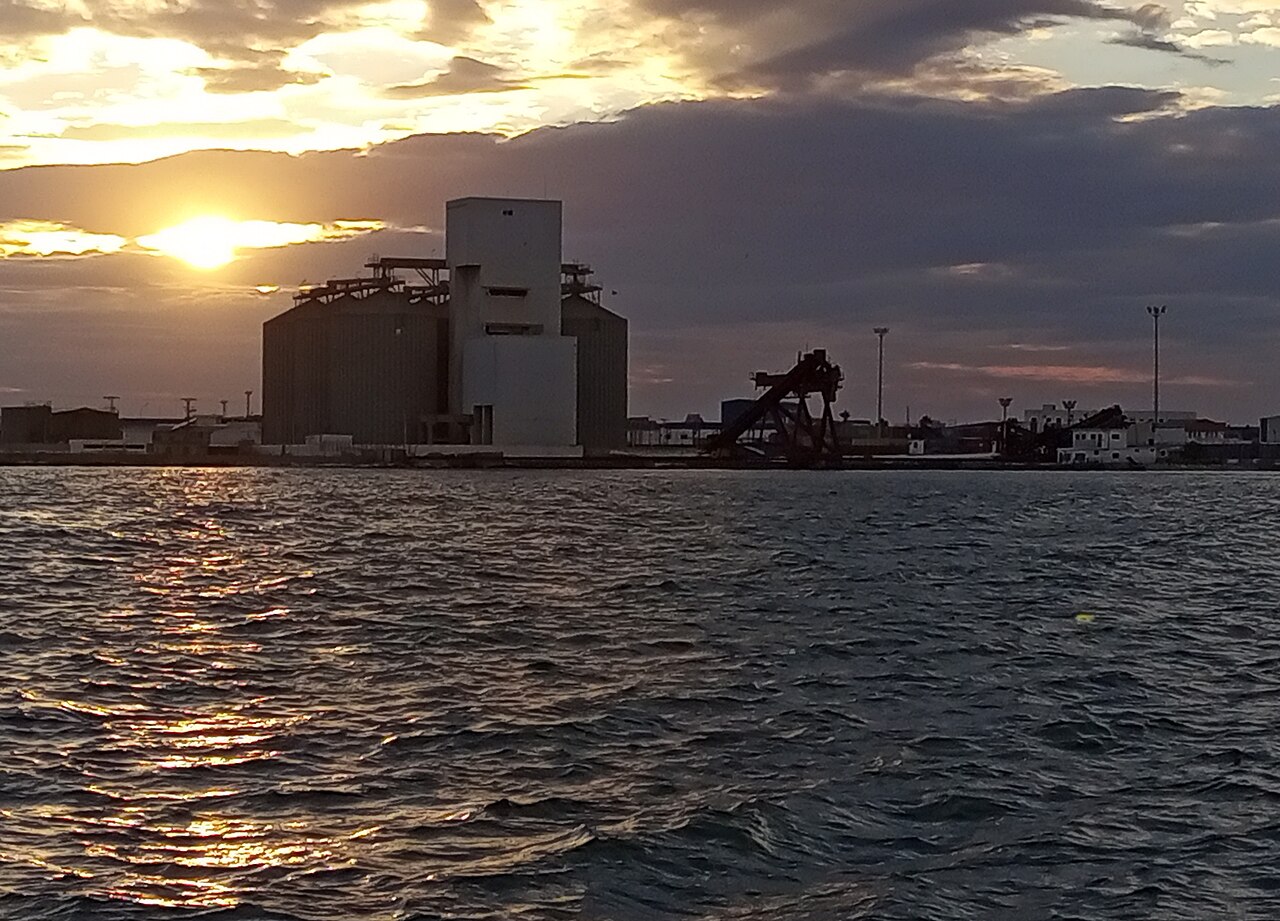
Sfax is a Mediterranean port city, and Kapitalis calls Greater Sfax Tunisia’s second-largest urban area. The plant turns seawater into drinking water for Greater Sfax, where the project page of Japan’s aid agency, JICA, says it is meant to benefit 900,000 inhabitants by 2035.
For readers abroad, the deal shows how Tunisia is financing drinking water for a major coastal city with Japanese state money. It also shows Japan’s state lender adding to a project it first backed in 2017.
Key Facts
- Deal. Japan lends 9,559 million yen (about US$60 million) to strengthen Sfax’s seawater desalination plant.
- Plant. Capacity of 100,000 cubic metres of water a day, serving Greater Sfax.
- Purpose. Pumping stations and iron-removal units to improve the quality and quantity of drinking water delivered.
- Planning. A separate technical-assistance project will map Greater Sfax water services through to 2060.
- As of 18 November 2026, 20:00 GMT
Japan is adding about US$60 million to a Tunisian desalination plant that serves Greater Sfax. The money buys pumping stations and iron-removal units, and a separate project will plan water services to 2060.
What Was Signed
Two documents were signed in one ceremony, Kapitalis and La Presse reported on 18 November 2026. Foreign Minister Mohamed Ali Nafti and Japanese ambassador Saito Jun exchanged notes, while Economy and Planning Minister Samir Abdelhafidh signed the loan.
Kotaro Tanaka, director general of the Middle East and Europe department of JICA, signed for the lender. JICA, the Japan International Cooperation Agency, is Japan’s state agency for aid and lending.
The deal is a yen loan, a state loan counted in Japanese currency, for 9,559 million yen as supplementary financing for the plant, Kapitalis reported on 18 November 2026. At the 18 November rate of 0.006276 US$ per yen, that is about US$60 million.
The money pays for pumping stations and iron-removal units, known in French as déferrisation, Kapitalis reported on 18 November 2026. They are needed to optimise the plant and to improve the quality and quantity of drinking water delivered.
At the same ceremony, JICA and SONEDE, Tunisia’s national water utility, signed a record of discussions for a new technical-assistance project, according to Kapitalis. The outlet names SONEDE chief executive Abdelhamid Mnajja and JICA resident representative Mayumi Miyata in connection with it.
The project will prepare a plan to improve water-service efficiency in Greater Sfax. According to Kapitalis, it covers a water-supply master plan to 2060 for Sfax governorate, a regional administrative unit, plus water-safety management and cuts in non-revenue water, meaning water supplied but never billed.
The Big Picture
The original yen loan for the Sfax plant was signed by JICA on 14 July 2017, according to JICA’s project records. It was worth up to 36,676 million yen (about US$230 million at the 18 November rate).
JICA’s project page says the plant was designed for 100,000 cubic metres of water a day, expandable to 200,000. Kapitalis says the plant was inaugurated last June and has operated since October 2024, and that the new money is a supplement to the original loan.
Ambassador Saito, quoted by Kapitalis on 18 November 2026, said the deal comes in the 70th anniversary year of diplomatic relations. He listed earlier joint projects: the Radès-La Goulette bridge, the Gabès-Médenine motorway and the Radès power plants.
Saito called the plant “the real symbol of cooperation”, Kapitalis reported. Tanaka, quoted by the same outlet, called it “a strategic investment for water security, not only for the Sfax region but for all of Tunisia”.
Tanaka also said, according to Kapitalis, that the plant helps resilience against water stress and climate change. La Presse wrote on 18 November 2026 that Nafti reaffirmed Tunisia’s wish to widen cooperation with Japan in infrastructure, renewable energy, health, IT and research.
La Presse adds that JICA has been present in Tunisia since 1975. Neither report gives a figure that compares Tunisia’s water position with other countries in the region, so we offer none.
Why It Matters
The first to gain are residents of Greater Sfax, about 900,000 inhabitants by 2035 according to JICA’s project page, though La Presse says about one million. The plant’s capacity of 100,000 cubic metres a day, which both Kapitalis and La Presse give, is the base the new money is meant to improve.
The two reports describe equipment rather than a new plant: pumping stations and iron-removal units. Kapitalis says they are meant to optimise the plant already built, using about US$60 million of Japanese lending.
The technical-assistance project matters for a second reason, because non-revenue water is a cost for any utility. Cutting it is one of three goals Kapitalis lists, alongside the 2060 master plan and water-safety management.
For readers in the United States, Japan-Tunisia ties matter mainly through North African water and infrastructure finance. The two reports describe no US role in this deal.
What It Means for You
Travellers to Sfax should expect no visible change yet, since neither report gives a date for the works. Residents and expats in Greater Sfax may in time see better water quality and supply, which is the stated aim.
Investors and lenders can read the deal as a sign that Japan’s state lender is still adding to a project it first backed in 2017. The reports publish no disbursement schedule, so the timing of the cash is unknown.
What Is Not Known
No date has been announced for completing the pumping stations. Neither Kapitalis nor La Presse publishes a disbursement schedule for the loan.
The plant’s extension capacity is also unclear. JICA’s project page says it can be expanded to 200,000 cubic metres a day, and Kapitalis agrees, while La Presse says 250,000.
We use the JICA figure, and no date for an extension has been announced. La Presse puts the population served at about one million, against JICA’s 900,000 by 2035.
Neither outlet gives a figure for how much more water will reach homes after the upgrade.
Frequently Asked Questions
What did Japan and Tunisia sign?
On 18 November 2026 they signed an exchange of notes and a loan agreement for 9,559 million yen, about US$60 million, to strengthen the Sfax desalination plant, Kapitalis and La Presse reported.
What will the money pay for?
Pumping stations and iron-removal units, which Kapitalis says are needed to optimise the plant and improve the quality and quantity of drinking water delivered in Greater Sfax.
How big is the Sfax plant?
JICA, Kapitalis and La Presse give 100,000 cubic metres a day. JICA says it can be expanded to 200,000, though La Presse says 250,000.
What is JICA?
JICA, the Japan International Cooperation Agency, is Japan’s state aid and lending agency. La Presse says it has been present in Tunisia since 1975.
Connected Coverage
Water, infrastructure and finance stories from across the continent.
Sources: Kapitalis; La Presse; JICA.
This article was produced by The Rio Times’ automated AI newsroom. Editorial responsibility: Matthias Camenzind, Publisher and Editor-in-Chief. The Rio Times also runs Ask Rio Times, which answers from 100,000+ of our own articles, the daily Latin America Power Map, and prediction-market odds on elections and markets.. How we use AI · Report an error