Itaya Andy Brings Amazonian Art to Global Fashion Runways
Ecuadorian Creative Economy
Key Facts
—Creator. Itaya Andy is an Ecuadorian artist who translates Amazonian visual heritage into fashion pieces.
—Medium. Her work moves between painting, textile design, and wearable art rooted in Amazonian cosmology.
—Runway Presence. Andy’s designs have appeared on international fashion runways, bridging Ecuador’s rainforest communities with global luxury markets.
—Cultural Significance. She represents a growing movement of Indigenous and Amazonian creators entering the international creative economy on their own terms.
—Market Context. The global market for Indigenous and ethically sourced fashion is expanding, drawing investor attention to Latin America’s creative sectors.
Japanese visual artist and designer Mic Itaya has taken her art to international fashion runways, turning a distinctive visual language into a contemporary creative export that is catching the eye of global luxury markets.
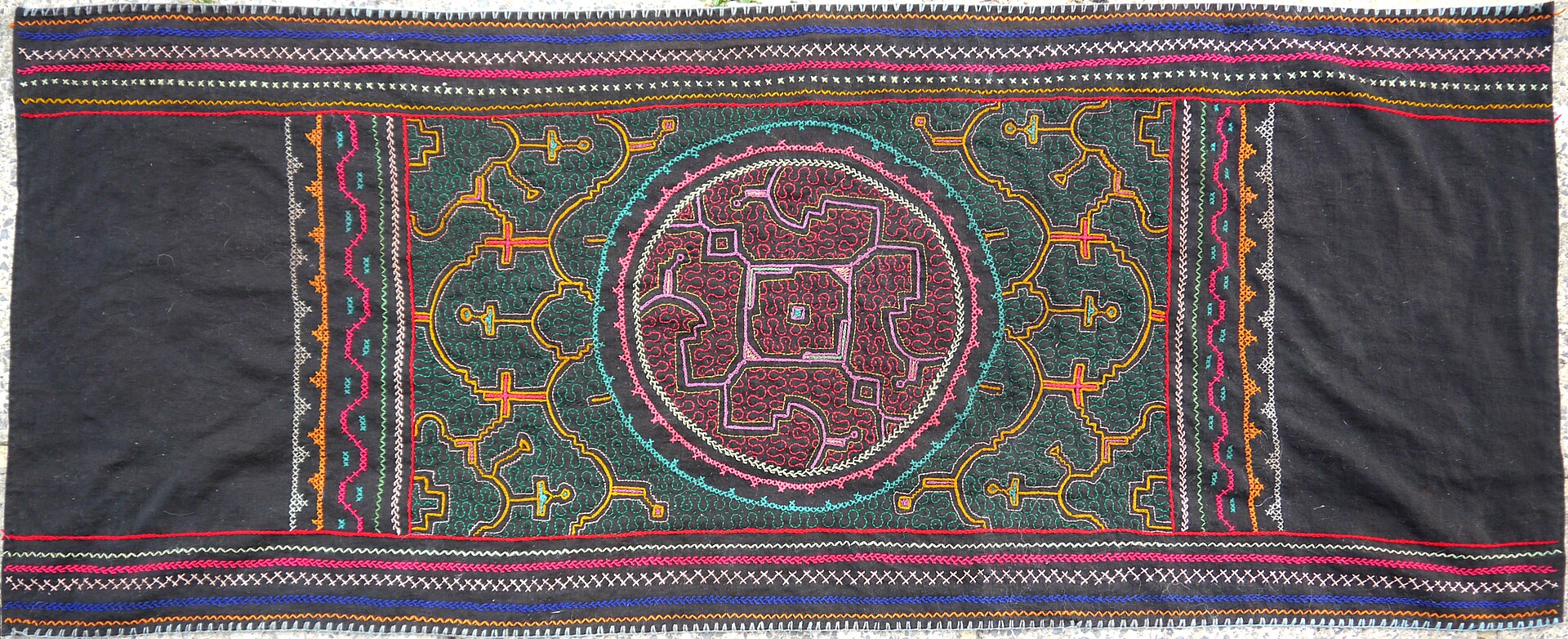
Who Is Itaya Andy and What Does She Create?
Itaya Andy is an Ecuadorian visual artist and designer whose work draws directly from the Amazon basin’s rich cultural and natural heritage. Her pieces blend painting, textile design, and fashion into a single creative practice that carries the symbols, colours, and stories of Amazonian communities.
Unlike designers who borrow Amazonian motifs as surface decoration, Andy’s approach is rooted in lived connection to the region. Her work functions as a wearable archive of Indigenous knowledge, translating cosmological patterns and rainforest imagery into garments that can walk a runway in Paris or Milan.
The name Itaya itself references a genus of palm native to the Amazon, grounding her artistic identity in the landscape she represents. This is not costume or folklore packaged for external consumption; it is contemporary art with an unmistakeable sense of place.
From the Ecuadorian Amazon to International Runways
Andy’s trajectory from Ecuador to international fashion stages marks a significant shift in how Latin American Indigenous creativity enters global markets. Her designs have been featured on runways outside Ecuador, placing Amazonian visual culture in front of buyers, editors, and investors who rarely encounter the region on its own aesthetic terms.
The fashion industry has long mined Latin America for inspiration while keeping actual Latin American creators at the margins. Andy’s presence on international runways reverses that dynamic: she is both the source and the author, controlling the narrative and the commercial pathway.
This matters for Ecuador’s creative economy. When an Amazonian artist shows alongside established luxury houses, it signals that the country’s cultural assets have export value beyond raw materials and tourism.
It also opens doors for other Indigenous creators who have historically been shut out of high-fashion circuits.
The Money and Market Read-Through for Latin America
The global ethical fashion market is projected to grow substantially in the coming years, and Latin America’s Indigenous creators are positioned to capture a share of that value. Andy’s international runway appearances are not merely cultural milestones; they are proof of concept for a business model that connects ancestral craftsmanship with luxury pricing.
Investors looking at Latin America’s creative sectors should note the increasing demand for fashion with verified cultural provenance. Consumers in New York, London, and Tokyo are willing to pay premiums for pieces that carry authentic stories, and Amazonian art offers precisely that kind of differentiation in a crowded market.
Ecuador’s government has shown intermittent interest in promoting creative exports, but the real momentum comes from artists like Andy who build their own international networks. For expats and foreign investors, this represents an under-explored niche within Latin America’s broader cultural economy.
Amazonian Art as a Global Luxury Category
Andy’s work fits into a larger pattern of Amazonian visual culture gaining traction in global luxury. In recent years, major fashion houses have incorporated Amazonian-inspired prints and collaborations, though often without the direct participation of Amazonian artists themselves.
What distinguishes Andy’s case is ownership. She is not licensing designs to a European brand; she is the brand.
This model of creator-led export aligns with broader trends in the creative economy, where audiences and buyers increasingly want to connect directly with the artist rather than through corporate intermediaries.
The Amazon itself adds value as a geographic and cultural signifier. It is one of the world’s most recognisable ecosystems, and products associated with its preservation and its peoples carry a narrative weight that generic luxury goods cannot replicate.
Andy’s art channels that weight into every piece.
What This Means for Ecuador’s Creative Sector
Ecuador is not traditionally seen as a fashion-export powerhouse, but creators like Andy are changing that perception. The country’s cultural diversity, spanning the Amazon, the Andes, and the Pacific coast, provides a deep well of aesthetic resources that remain largely untapped by international markets.
For policymakers, Andy’s success suggests that supporting creative exports could yield returns beyond the commodity sectors that dominate Ecuador’s trade profile. Oil, bananas, and shrimp still drive the economy, but cultural products offer a different kind of value: they build brand equity for the country itself.
Expats living in Ecuador or considering a move should watch this space. A growing creative economy means more cultural infrastructure, more international connections, and a more dynamic urban scene in cities like Quito and Guayaquil, where artists like Andy often maintain studios and showrooms.
The Broader Latin American Indigenous Fashion Movement
Andy is part of a continental wave of Indigenous creators who are reclaiming their visual heritage and inserting it into global fashion on their own terms. From Otavalo designers in the Ecuadorian Andes to Peruvian artists working with Amazonian plant medicine imagery, the movement is diverse but unified by a common principle: cultural production should benefit the culture that produces it.
This is not a niche trend. It reflects a structural shift in how luxury consumers think about authenticity, sustainability, and cultural respect.
Brands that ignore this shift risk looking extractive; those that embrace it, especially through direct partnerships with Indigenous creators, stand to gain credibility and market share.
For the Latin America desk, the story is clear: the region’s creative economy is maturing, and Indigenous artists are leading the charge. Itaya Andy’s journey from the Amazon to international runways is one chapter in a much larger narrative about value, identity, and who gets to profit from Latin America’s cultural wealth.
More: Peru news in English, every day from The Rio Times.
Frequently Asked Questions
Who is Itaya Andy and why is her Amazonian art significant?
Itaya Andy is an Ecuadorian visual artist and designer whose work translates Amazonian cultural heritage into fashion and textile pieces. She is significant because she has taken this art to international runways, representing Indigenous creativity in global luxury markets on her own terms rather than through intermediaries.
How did Itaya Andy bring Amazonian art to international fashion runways?
Andy developed a body of work that merges painting, textile design, and wearable art rooted in Amazonian cosmology. She built international networks that placed her designs on runways outside Ecuador, attracting attention from fashion buyers and media in major global markets.
What does Itaya Andy’s success mean for Ecuador’s creative economy?
Her international runway presence demonstrates that Ecuador’s cultural assets have export value beyond commodities. It signals to investors and policymakers that the country’s Indigenous creative sector can generate revenue, build global brand equity, and open doors for other artists from the region.
This article was produced by The Rio Times’ automated newsroom system. How we use AI · Report an error
Read More from The Rio Times