Is Senegal Safe for Expats in 2026? What to Know
Most days in Dakar pass without incident, so the planning questions are petty crime, the Mali border, protests and a new law that foreign residents must know.

Guides · Senegal
Neither Britain nor Canada advises against travel to Senegal as a whole, but Dakar has a real street-crime problem and the border with Mali carries a terrorism warning. Canada’s government tells travellers to “exercise a high degree of caution in Senegal due to levels of crime”.
Britain’s Foreign, Commonwealth and Development Office (FCDO) says robbery, burglary and assault have become more common in Dakar. This guide sorts the risks by area, health and law, so you can judge them before you move.
Key Facts
- Crime. Dakar robberies and assaults are rising; Canada advises a high degree of caution.
- Borders. Terrorist groups operate in neighbouring Mali; Senegal had no jihadist attack on its soil as of mid-2025.
- Law. Same-sex acts now carry 5 to 10 years in prison, under a law passed in March 2026.
- Health. Dakar’s medical facilities are reasonable, but limited elsewhere; malaria tablets are recommended.
Most days in Dakar pass without incident, so the planning questions are petty crime, the Mali border, protests and a new law that foreign residents must know.
What Britain and Canada Say
The FCDO’s Senegal advice was last updated on 15 October 2026, and it carries no warning against travel to the country as a whole. It does say that “cases of robbery, burglary and assault have become more common in Dakar, and in some cases, involve the use of weapons”.
It adds that “hotels frequented by foreign nationals have been targeted and robbed at gunpoint”. Street crime such as pickpocketing and bag-snatching is also on the rise in the capital, the page says.
Global Affairs Canada, the Canadian foreign ministry, updated its own Senegal advice on 15 October 2026 and rates the country at its second level, a high degree of caution. Its stated reason is the level of crime.
We could not open the US State Department’s Senegal advisory, because its website blocks our server, so we do not state its current level. Americans should read it in the week they travel.
Crime in Dakar: Where and How
Canada names the places where it wants visitors to be most careful: Yoff beach, Independence Square, the Gorée ferry terminal and the Corniche coastal road in the evening. Pickpockets are “very active” at the Gorée terminal, it says.
Snatching from passing motorbikes or cars is frequent, and common targets are bags, jewellery and electronics. Canada advises against wearing a bag with the strap across the body.
The FCDO advises using the hotel safe for your passport, avoiding large sums of cash and being alert at cash machines. It tells visitors to be “particularly careful after nightfall” and not to walk alone.
Two scams recur. At the airport, bogus taxi drivers pretend to know you and overcharge, so pre-arrange transport, and when you change money, use cash machines or reputable exchange offices because of the risk of fake notes.
The FCDO also advises keeping a copy of your passport photo page and entry stamp in a separate place. These are ordinary city precautions, and no official statistics tell us how likely a crime is for a foreigner.
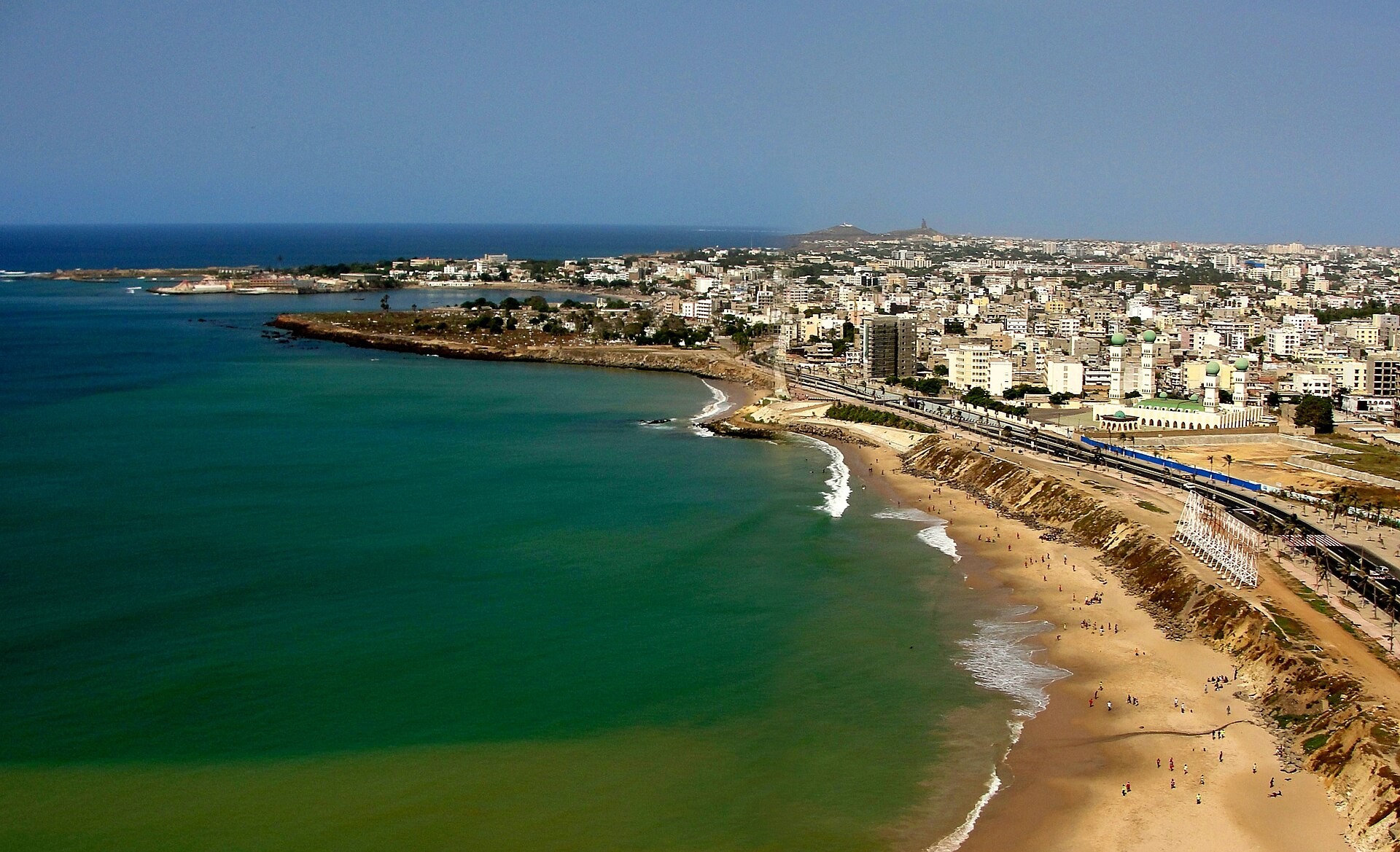
The Mali Border and Terrorism
The FCDO says terrorist attacks in Senegal “cannot be ruled out”, and that groups such as Jama’a Nusrat ul-Islam wa al-Muslimin (JNIM), an al-Qaeda affiliate, have attacked in southern and western Mali near the Senegalese border. It tells visitors to take particular care in remote areas near the borders with Mali and Mauritania.
Canada says armed groups along those borders carry out kidnappings, and that the risk is highest near Mali. The closest recent attack was on 1 July 2025, when JNIM fighters struck Diboli, on the Malian side of the border and less than two kilometres from the Senegalese town of Kidira, killing at least one civilian, Agence France-Presse (AFP), the French news agency, reported.
AFP noted in July 2025 that Senegal had never experienced a jihadist attack on its territory, and said the two countries share a border of nearly 500 kilometres that is generally porous.“It was very loud and lasted for several minutes,” Ibrahima Mbodj, a mechanic in Kidira, told AFP in February 2026.
He now fetches his three children from school himself. For expats in Dakar, the practical meaning is small.
Both governments ask for particular care in remote border areas, so our advice is to check your embassy’s guidance before any overland trip toward Mali or Mauritania.
Casamance and the Road
Casamance, the region south of The Gambia, saw decades of low-level separatist fighting. Canada says security has improved since a peace agreement in February 2025, but some rebel factions are not part of it and remain active, particularly along the Gambian border.
Canada also warns that landmines and unexploded munitions remain in parts of the region despite demining. It advises travelling overland only by day, on main roads and in convoy; the FCDO adds that the risk of clashes is lower in the main tourist areas.
On the road, the FCDO says main roads are mostly good and minor roads can be in very poor repair. It also says speeding is common, many taxis and minibuses called “cars rapides” are not roadworthy by UK standards, and driving after dark is more dangerous.
From June to September, torrential rain can cause floods and landslides that damage roads. After an accident, call the police on 17 and do not move your car until an officer allows it.
Protests and Politics
“There are frequent demonstrations about political issues in Dakar and other cities,” the FCDO says, and they can turn violent. Protesters sometimes block major roads, including the road between Blaise Diagne International Airport and the capital.
Foreign nationals have been prosecuted for joining protests the government has not approved, the FCDO warns. Canada gives similar advice: avoid areas where demonstrations are taking place and follow the instructions of local authorities.
Senegal’s politics are in the news this month, as in our report on the 2027 election and Assembly dispute. Neither advisory links that dispute to danger for foreigners, but local news is worth watching before you cross town.
A New Law Foreigners Must Know
Senegal’s National Assembly voted on 11 March 2026 by 135 votes to none, with 3 abstentions, to double the prison term for same-sex relations to between 5 and 10 years. Interior Minister Mouhamadou Bamba Cissé, who represented the government, called it a “belle loi”, French for “fine law”.
The text also bans “promotion” of homosexuality and its funding, and sets fines of 2 million to 10 million West African CFA francs for same-sex acts, Le360 reported; the top figure is about US$16,600, converted at about US$1.09 per euro with the franc pegged at 655.957 per euro. Radio France Internationale (RFI), the French public broadcaster, reported that no lawmaker challenged it, and President Bassirou Diomaye Faye signed it into law at the end of March 2026; the FCDO dates the change to 30 March.
The FCDO says the law is enforced and has led to arrests, and that same-sex relationships are generally not tolerated in Senegalese society. The United Nations human rights chief, Volker Türk, had urged the president not to sign it.
Other rules are also strict. The FCDO says the maximum sentence for drug trafficking is 20 years, that people accused often wait long periods in pre-trial detention, and that prison conditions are poor.
Senegal is mostly Muslim, so dress modestly in public and avoid public drunkenness, especially in Ramadan. Kissing as a greeting is accepted, while romantic kissing in public is not.
Health Care and Disease
“Medical facilities in Dakar are reasonable, but are limited in the rest of Senegal,” the FCDO says. Call 15 for an ambulance, and buy insurance that covers evacuation.
The US Centers for Disease Control and Prevention (CDC), America’s public-health agency, recommends prescription medicine to prevent malaria for travellers to Senegal. It also recommends hepatitis A vaccination for unvaccinated travellers aged one year or older.
The FCDO lists dengue, Zika, yellow fever and diphtheria among the health risks. You need a yellow fever certificate only if you arrive from a country with a transmission risk, including after transiting its airport.
If you hold a UK passport, the FCDO says you may stay without a visa for up to 3 months and must show a return or onward ticket and proof of accommodation. Longer stays require registration with the local authorities and a residence card, the Carte d’étranger, a foreigner’s residence card; rules differ by nationality.
For rent, food and transport prices, see our Dakar cost of living guide.
Money and Daily Life
Dakar has cash machines that accept foreign bank cards, but there are few banking facilities in the rest of the country, the FCDO says. Withdrawal limits can be low and machines regularly run out of money, even in the capital.
Larger hotels and restaurants usually take foreign credit cards, and mobile payment apps such as Orange Money and Wave are widely used. The FCDO advises using only reputable exchange bureaux.
The Honest Downsides
Senegal’s risks are mostly everyday ones. Theft is common in Dakar, armed robbery of hotels has happened, protests can shut roads, and medical care thins out sharply outside the capital.
The law on same-sex relations is a serious barrier for LGBT+ expats, and for allies who might be accused of “promotion”. On the other side of the ledger, neither government advises against travel to the country as a whole, and Senegal had never experienced a jihadist attack, AFP noted in July 2025.
What It Means for You
If you plan to live in Dakar, treat it like any large West African city: secure housing, pre-arranged transport after dark, and few valuables on show. Budget for private health insurance with evacuation cover, because the FCDO says facilities outside the capital are limited.
If you are an American, check the US advisory yourself before travelling. LGBT+ travellers should read the law above and weigh it before choosing Senegal.
Keep a copy of your documents, and watch local news during protests. If you travel east, plan around the Mali border rather than through it.
What Is Not Known
We could not confirm the US State Department’s current advisory level for Senegal, and we found no official 2026 count of crimes against foreigners in Dakar. We also could not confirm how the new law is being applied to foreign residents in practice.
The advisories we read are dated 15 October 2026, so a later incident would not appear in them.
More: Senegal news in English, every day from The Rio Times.
Frequently Asked Questions
Is Senegal safe for expats in 2026?
Most expats live there without harm, but Canada advises a high degree of caution because of crime. Britain says robbery and assault have become more common in Dakar.
Is Dakar safe at night?
The FCDO advises extra care after dark and not walking alone. Canada names the Corniche in the evening among the places to avoid.
Is there a terrorism risk in Senegal?
Both governments say an attack cannot be ruled out, mostly near the Mali border. AFP noted in July 2025 that Senegal had never experienced a jihadist attack.
Is it safe to travel to Casamance?
Security has improved since a February 2025 peace deal, Canada says, but landmines and rebel factions remain. Travel by day, on main roads and in convoy.
Is homosexuality illegal in Senegal?
Yes. A law passed on 11 March 2026 raised the prison term to 5 to 10 years and bans promotion of homosexuality, and the FCDO says it is enforced.
Sources read on 29 November 2026: UK Foreign, Commonwealth and Development Office, Senegal travel advice, all sections (updated 15 October 2026, https://www.gov.uk/foreign-travel-advice/senegal); Global Affairs Canada, Senegal travel advice (updated 15 October 2026, https://travel.gc.ca/destinations/senegal); US Centers for Disease Control and Prevention, Senegal Traveler View (https://wwwnc.cdc.gov/travel/destinations/traveler/none/senegal); Senegal National Assembly vote of 11 March 2026 and promulgation of 31 March 2026, as reported by RFI and by Le360, a Moroccan news site, which carried AFP’s report; AFP report on Kidira of 24 February 2026.
Expat Guide to Senegal
What The Rio Times publishes for foreigners who live in or move to Senegal.
Start here
- Opening a Bank Account in Senegal as a Foreigner: CFA Francs, Documents and Options
- Taxes in Senegal for Expats: Rates, Residency and What Foreigners Pay
- Healthcare in Senegal for Expats 2026 — Costs, Clinics and Insurance
- Senegal Visa Requirements 2026 for Entry and Residency
City guides
Understand Senegal
Fresh reporting on this topic, refreshed automatically as new stories are published.
- Nov 29Spain Votes; Traders Back Conservatives
- Nov 29Best Places to Live in Uganda for Expats in 2026
- Nov 29Gas Blast Sparks Fire in Caracas Building
- Nov 29Cannes Mayor Overtakes Ex-PM in French Poll
- Nov 29What Happens Next After the US Midterms
- Nov 29Mexico Sees Pemex Debt Under US$70 Billion
- Nov 29Rio’s Botafogo Christmas Tree 2026 Opens 6 December
- Nov 29Ecuador Votes for Mayors and Governors Today
This article was produced by The Rio Times’ automated AI newsroom. Editorial responsibility: Matthias Camenzind, Publisher and Editor-in-Chief. The Rio Times also runs Ask Rio Times, which answers from 100,000+ of our own articles, the daily Latin America Power Map, and prediction-market odds on elections and markets.. How we use AI · Report an error