Iran Mourns 73 Killed in Memorial Blasts for General Soleimani
During the fourth anniversary of General Qassem Soleimani’s death, two explosions occurred in Kerman, Iran.
These blasts claimed at least 73 lives and injured over 170 people. The event was a memorial service where thousands were paying tribute to Soleimani.
He is remembered as a martyr in Iran, having been killed in a U.S. drone strike in 2020. Iranian authorities have called these explosions a terrorist attack.
However, the exact cause remains unclear, with no group immediately claiming responsibility.
The deputy governor of Kerman hinted at multiple potential perpetrators, including exile groups and militant organizations.
This tragedy in Kerman holds wider implications. Soleimani, as leader of Iran’s Quds Force, played a pivotal role in regional military strategies.
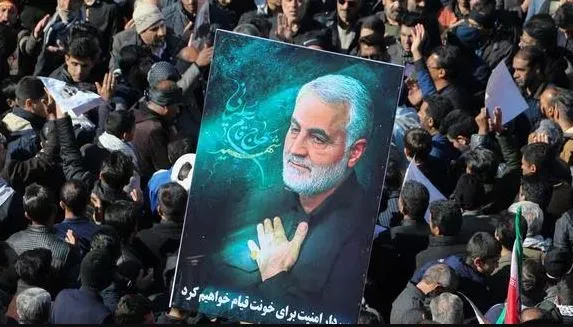
His death was a significant moment, heightening tensions in the Middle East. These recent explosions during his memorial add complexity to an already volatile regional situation.
The full impact of these blasts is still under assessment. Iranian emergency services and state media are responding to the crisis.
The occurrence of such a high-profile event underscores the ongoing instability in the region.
It also highlights Iran’s challenges regarding security and regional diplomacy.
Background
The recent blasts in Kerman, Iran, on General Soleimani’s memorial reflect deep regional tensions, especially between Iran and the U.S.
Soleimani’s 2020 assassination by the U.S. heightened these conflicts. As a key Iranian figure, his death reshaped Iran’s foreign policy.
The anniversary of his death signifies national grief and defiance in Iran. These events, on such a poignant date, might affect Iran’s stability and international relations.
They underscore the Middle East’s fragile peace and the need for careful diplomacy. Understanding these events requires a look at Iran’s historical role in regional politics.
This context is crucial for grasping the significance and impact of the Kerman explosions.
This article was produced by The Rio Times’ automated newsroom system. How we use AI · Report an error
Read More from The Rio Times