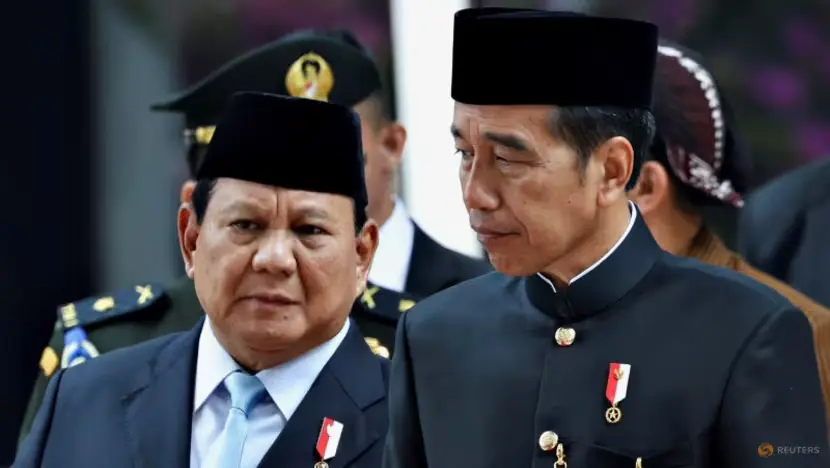
As Indonesia approaches a major leadership transition, President Joko Widodo is strategically positioning his successor, Prabowo Subianto, to govern effectively. He is aligning the government’s structure to support this transition.
Widodo’s orchestration of cabinet roles and coalition alliances aims to ensure stability and continuity in governance, signaling a well-planned handover to Prabowo.
Prabowo’s recent electoral victory was more than just a win; it was the culmination of strategic alliances and political support, heavily influenced by Widodo’s popularity.
The inclusion of the NasDem party into Prabowo’s coalition, which gained a parliamentary majority, exemplifies this strategy.
This majority is essential for Prabowo to enact his policies and solidify his administration’s agenda once in office.
However, this consolidation of power under one coalition raises concerns about the health of Indonesia’s democracy.
With the opposition limited to a single major party, the political landscape is at risk of becoming less of a space for genuine debate. Instead, it may turn into a venue for predetermined outcomes shaped by a few.
This shift has broader implications beyond Indonesia’s borders, affecting regional stability and Indonesia’s role in global geopolitics.
The strategic partnership between Widodo and Prabowo will influence Indonesia’s foreign and economic policies, which are crucial for ASEAN relations and international engagements.
The crux of this transition lies in its execution: balancing effective governance with maintaining a robust democratic framework.
As Indonesia stands at this pivotal point, the leadership’s decisions will shape the national political fabric. These choices will also influence the country’s international standing in the years to come.
This article was produced by The Rio Times’ automated newsroom system. How we use AI · Report an error
Read More from The Rio Times